LDS Temple Garment Shopping Guide 2026: Where & How to Buy
Understanding the Sacred Nature of LDS Temple Garments
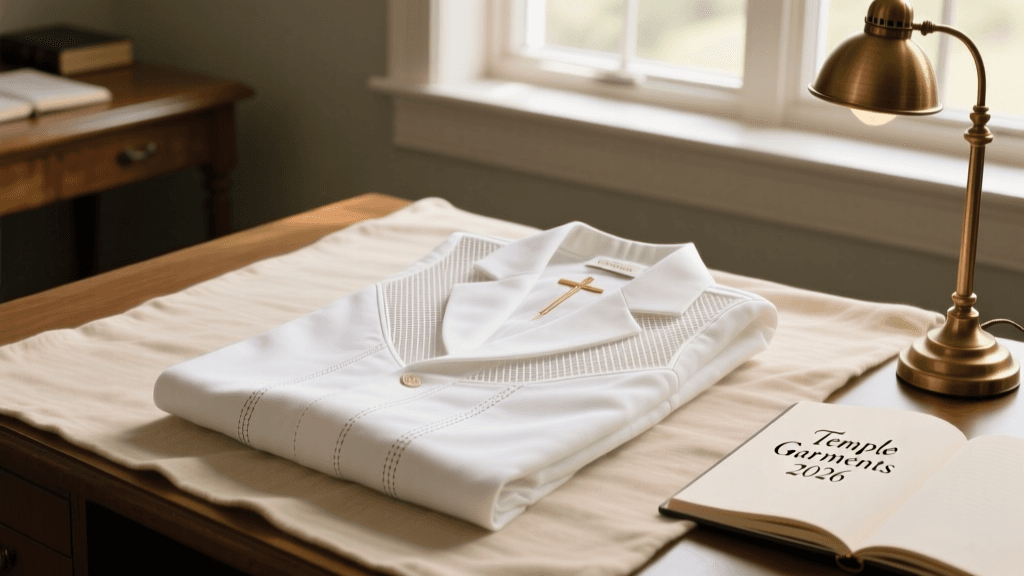
For members of The Church of Jesus Christ of Latter-day Saints, temple garments hold profound spiritual significance. Often referred to simply as 'garments,' these undergarments are worn by endowed members as a daily, personal reminder of the covenants made in sacred temples. Originating in the Americas during the 1840s, the design and materials of these garments have evolved significantly to accommodate modern lifestyles, diverse global climates, and contemporary standards of comfort.
As of 2026, the Church continues to refine its textile offerings, prioritizing sustainable cotton sourcing, advanced moisture-wicking technologies, and inclusive sizing. However, because of their sacred nature, purchasing LDS temple garments is not like shopping for everyday apparel. They are not available in commercial retail stores, department stores, or third-party e-commerce platforms. Understanding exactly where and how to acquire them is essential for endowed members navigating the official distribution channels in 2026.
Where to Buy Official LDS Garments in 2026
The most critical rule regarding temple garment shopping is that they must be purchased exclusively through authorized Church channels. The Church strictly prohibits the sale of sacred garments by third-party vendors. Attempting to buy or sell garments on platforms like eBay, Amazon, or independent modesty clothing boutiques is a violation of Church policy and the sacred covenants associated with the garments.
1. The Official Church Distribution Online Store
The primary and most comprehensive method for purchasing garments in 2026 is through the official Church Distribution catalog. The online store offers the complete 2026 lineup of fabrics, styles, and sizes for both men and women. The digital storefront is optimized for mobile and desktop use, allowing members to browse detailed fabric specifications, view sizing charts, and manage their orders seamlessly.
2. The Gospel Living App
For members who prefer an integrated digital experience, the Church's Gospel Living app features a direct portal to Distribution Services. By signing in with your Church Account, the app can securely verify your temple recommend status and route you directly to the garment purchasing interface, streamlining the checkout process.
3. Physical Distribution Centers
While many local meetinghouses have small distribution kiosks, these typically only stock basic emergency supplies or standard scriptures. For a full selection of garment styles and fabrics, members must visit a major, regional Church Distribution Center. These centers are usually located near temples or large stake centers in major metropolitan areas across the Americas and globally. Visiting a physical center is highly recommended for first-time buyers who want to feel the different 2026 fabric blends and get professionally measured.
How to Order: The Temple Recommend Requirement
Purchasing temple garments requires an active temple recommend. The Church's distribution system is digitally integrated with local ward and stake records to ensure that only endowed members in good standing can access the sacred inventory.
- Online Verification: When you log into the Church Distribution website using your official Church Account, the system automatically checks your membership record for an active temple recommend. If your recommend is active, the temple clothing and garment categories will be visible and unlocked for purchase.
- In-Person Verification: If you are ordering by phone or visiting a physical distribution center, you will be asked to provide your temple recommend barcode or your membership record number so the clerk can verify your standing.
- Purchasing for a Spouse: A member with an active recommend may purchase garments for their endowed spouse, even if the spouse's recommend is currently expired or they are unable to shop for themselves, provided the purchaser's own recommend is valid.
For comprehensive policies regarding temple attendance and garment wearing, members are encouraged to review the guidelines outlined in the General Handbook: Serving in The Church of Jesus Christ of Latter-day Saints, which provides the official doctrinal and administrative framework for these sacred items.
2026 Fabric and Style Options: A Comprehensive Comparison
The 2026 garment catalog features a diverse array of fabrics designed to meet the needs of members living in vastly different environments—from the humid tropics of Central America to the arid deserts of the American Southwest and the freezing winters of Canada. Below is a comparison of the primary fabric options available this year.
| Fabric Type | Best Climate / Use Case | Key Features (2026 Lineup) | Durability & Care |
|---|---|---|---|
| 100% Cotton | Moderate climates, everyday wear | Classic breathability, traditional feel, hypoallergenic | High durability; may shrink if washed in hot water |
| Cotton/Poly Blend | Active lifestyles, variable weather | Wrinkle-resistant, retains shape well, faster drying | Very high durability; excellent for frequent travel |
| Modal (Beechwood) | Warm climates, sensitive skin | Ultra-soft, lightweight, exceptional moisture-wicking | Moderate durability; requires gentle washing cycles |
| Stretch Cotton | Athletic builds, high-mobility needs | Spandex-infused for flexibility, modern tailored fit | High durability; resists bagging at the knees/elbows |
| Mesh / Performance | Extreme heat, high humidity, sports | Maximum airflow, micro-perforations, ultra-lightweight | Moderate durability; highly resistant to sweat damage |
Style Variations for Men and Women
In 2026, the Church offers several distinct cuts to accommodate personal preference and modern outerwear fashions while maintaining the sacred markers and modesty requirements.
For Women: The catalog includes the traditional Crew neck, the versatile V-neck, the wider Scoop neck, and the Carla style (a wider, feminine neckline designed to remain hidden under open-collared blouses). Women's garments are available in standard top-and-bottom sets, as well as one-piece 'union suit' styles for specific medical or personal preferences.
For Men: Men's options have evolved significantly from the traditional one-piece suit. The 2026 lineup heavily features the two-piece Stretch Cotton T-shirt and boxer-brief style, which has become the most popular choice among younger men and active professionals. Traditional one-piece and two-piece crew neck styles remain available for those who prefer a classic fit.
Sizing, Measuring, and Fit Tips
Proper fit is essential for both comfort and the respectful wearing of the garment. A garment that is too tight can cause chafing and wear out prematurely, while one that is too loose may bunch up under clothing and fail to provide the intended modest coverage.
- Use a Soft Tape Measure: Do not guess your size based on commercial clothing brands, as garment sizing is unique. Use a flexible tailor's tape measure.
- Men's Measurements: Measure the chest (around the fullest part), the waist (at the natural belt line), and the inseam (from the crotch to the desired ankle point).
- Women's Measurements: Measure the bust (around the fullest part), the waist, the hips (around the widest point), and the inseam.
- Consult the 2026 Size Chart: The online distribution store features an interactive sizing tool. Input your exact measurements, and the system will recommend the precise size and suggest whether a 'Tall' or 'Petite' inseam adjustment is necessary.
Garment Care, Longevity, and Proper Disposal
To maximize the lifespan of your garments, especially the delicate Modal and Mesh fabrics introduced in recent years, proper laundering is critical. Always wash garments in cold or warm water using a mild, bleach-free detergent. Chlorine bleach will rapidly degrade the synthetic fibers in stretch and performance blends and weaken pure cotton. Tumble dry on low heat or line dry to prevent shrinkage and preserve the elasticity of the waistbands and leg openings.
When a garment becomes worn, torn, or stretched beyond repair, it should not be donated to thrift stores or given to charity. The sacred markings and the purpose of the garment dictate that it must be retired respectfully. In 2026, the standard practice remains to cut the garment into small, unrecognizable pieces, ensuring the sacred markers are completely destroyed, before disposing of the fabric remnants in the regular trash. The fabric scraps can also be repurposed as cleaning rags for household use before final disposal.
Global Shipping and Accessibility in 2026
The Church has made significant strides in its global supply chain. As of 2026, members living in remote areas of the Americas, including rural parts of South America and the Caribbean, have access to subsidized shipping rates and regional distribution hubs that drastically reduce delivery times. For members facing financial hardship, local bishops can authorize the purchase of garments through the bishop's storehouse fund, ensuring that no endowed member is unable to honor their covenants due to financial constraints. The distribution system also offers adaptive garments for members with physical disabilities or those who require medical modifications, which can be requested through a special order form on the distribution website.