Navigating Online Kimono Communities and Influencer Culture

The Digital Renaissance of the Kimono
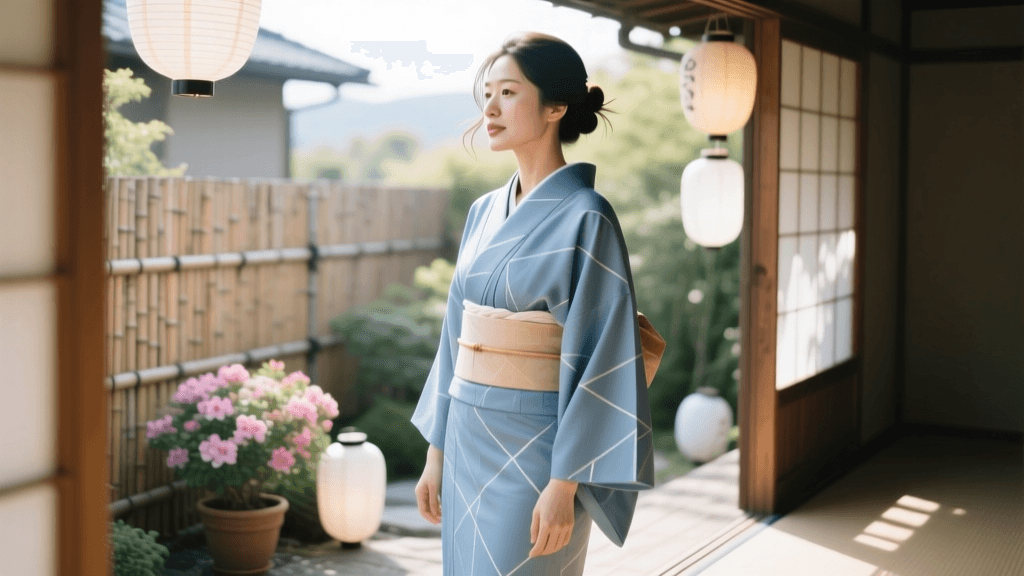
For centuries, the art of kitsuke (kimono dressing) and the appreciation of traditional Japanese textiles were largely confined to localized, in-person schools and family lineages. Today, a vibrant digital renaissance is unfolding. Online kimono communities, vloggers, and social media influencers have democratized access to this intricate sartorial tradition, transforming it from a strictly guarded cultural artifact into a globally accessible, living fashion practice. Whether you are a seasoned collector of antique silk or a beginner looking to tie your first taiko musubi (drum bow), the internet offers an unprecedented wealth of knowledge, camaraderie, and commerce.
According to The Victoria and Albert Museum, the kimono has always been a dynamic garment, historically absorbing foreign influences and evolving with the times. Today, its evolution is being driven by digital creators who blend historical accuracy with modern styling, proving that traditional Asian garments can thrive in the 21st-century digital landscape. This guide will help you navigate these online spaces, learn from top influencers, and safely participate in the booming digital vintage kimono market.
Where to Connect: A Platform Comparison
Different platforms serve distinct purposes within the global kimono community. Understanding the unique culture of each platform is crucial for a positive experience. Below is a comparison of the primary digital hubs for kimono enthusiasts.
| Platform | Best For | User Base Vibe | Key Etiquette Rule |
|---|---|---|---|
| Reddit (r/kimono) | Q&A, identification, and beginner advice | Analytical, helpful, strict on facts | Always provide measurements and clear photos when asking for ID. |
| Facebook Groups | Buying/selling vintage, local meetups | Community-driven, older demographic | Use the group's specific pricing and 'bump' rules for sales. |
| Visual inspiration, influencer styling | Highly aesthetic, trend-focused | Tag the original creators and artisans when recreating looks. | |
| YouTube | In-depth tutorials, textile history | Educational, long-form engagement | Respect the varying ryu (schools) of dressing demonstrated. |
| Discord | Real-time chat, niche crafting (e.g., upcycling) | Casual, fast-paced, highly interactive | Keep off-topic chatter in designated channels. |
Learning from the Best: Influencer Archetypes
The term 'kimono influencer' encompasses a wide variety of content creators. When curating your feed, it is beneficial to follow a mix of these archetypes to gain a well-rounded understanding of the garment.
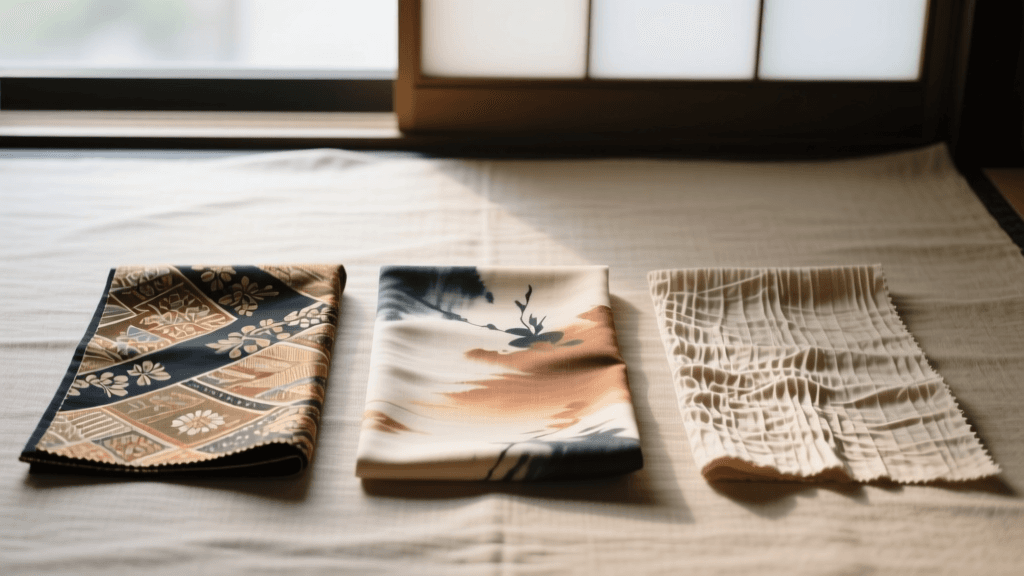
- The Historian: These vloggers focus on the provenance of textiles. They dive deep into dyeing techniques like yuzen, shibori, and katazome. They often reference institutions like The Metropolitan Museum of Art's Heilbrunn Timeline of Art History to contextualize Edo or Meiji period garments.
- The Kitsuke Stylist: Focused on the mechanics of dressing. They produce 'Get Ready With Me' (GRWM) videos, demonstrating how to use modern accessories like the korin belt or how to achieve a flawless eri (collar) alignment. They bridge the gap between strict traditional rules and practical, modern wearability.
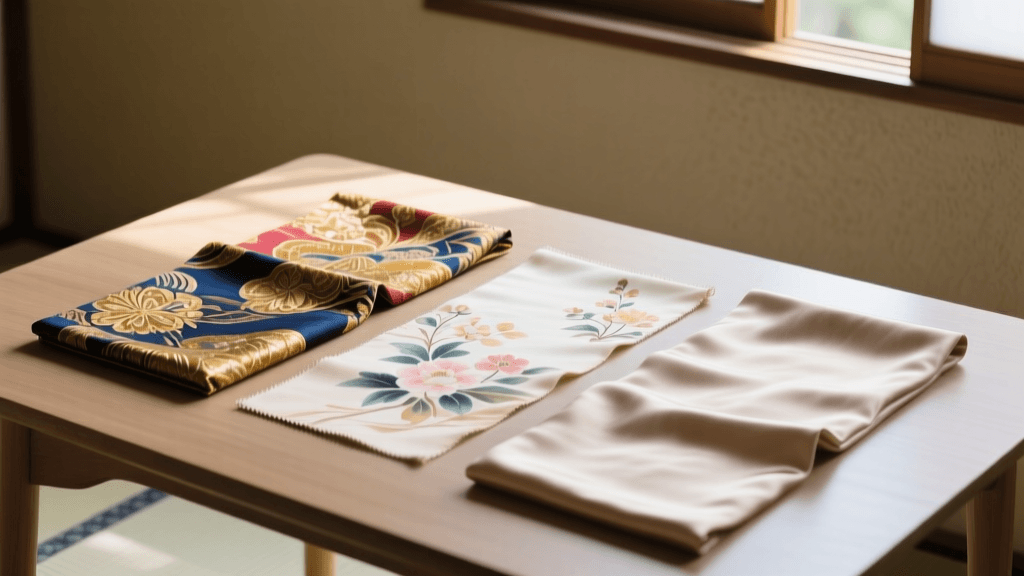
- The Vintage Thrifter: Experts in navigating Japanese auction sites like Yahoo! Auctions Japan or local recycle shops. They share haul videos, teach viewers how to spot silk versus synthetic blends, and offer tips on cleaning and storing antique garments.
- The Upcycler: Creators who breathe new life into damaged or stained kimono by transforming them into haori jackets, two-piece sets, or even non-traditional western garments, promoting sustainable fashion within the Asian traditions space.
Actionable Guide: Navigating the Online Vintage Market
Buying vintage kimono online is a thrilling treasure hunt, but it requires a solid grasp of Japanese terminology and garment measurements. Unlike Western clothing, kimono are not sized by standard small, medium, or large labels. They are measured flat and require specific body metrics to ensure a proper fit.
Crucial Measurements to Know
When browsing online marketplaces or community sales, always check these three measurements (usually listed in centimeters):
- Yuki (裄): The distance from the center back seam, across the shoulder, and down to the wrist. This is the most critical measurement for sleeve fit. A standard modern range is 62cm to 68cm. If the yuki is too short, your wrists will show; if too long, the sleeves will swallow your hands.
- Mitake (身丈): The back length from the base of the collar to the bottom hem. For a traditional ankle-length fit, this should ideally match your height, though modern styling allows for slightly shorter lengths worn with boots or lace-up sandals.
- Sode (袖): The sleeve length and depth. The depth (sode-take) dictates the formality and age appropriateness. Long, swinging sleeves (furisode) are for unmarried women, while shorter sleeves (tomesode or komon) are for married women or casual wear.
Cost Expectations and Budgeting
Prices in online communities and dedicated vintage export sites vary wildly based on condition, material, and rarity. Here is a general pricing guide in USD:
- Casual Wool/Polyester Kimono: $15 - $40. Excellent for beginners and everyday practice.
- Vintage Silk Komon (All-over pattern): $45 - $120. The bread and butter of most collectors. Condition and lining quality dictate the price.
- Antique Pre-1950s Silk: $100 - $350. Highly collectible but often fragile. Expect to pay a premium for intact shibori or gold-thread embroidery.
- Formal Furisode / Uchikake: $200 - $800+. Heavy, heavily embroidered garments meant for weddings or coming-of-age ceremonies.
Community Etiquette and Cultural Respect
As the kimono gains global popularity, online communities have become vital spaces for navigating the delicate balance between cultural appreciation and appropriation. The general consensus within major online groups is that the Japanese kimono community overwhelmingly welcomes foreigners who wear the garment with respect, proper styling, and a genuine desire to learn.
"The kimono is not a fragile relic of the past, but a living garment that has continually adapted to global exchanges. Engaging with it respectfully ensures its survival and continued relevance in the modern fashion ecosystem."
To maintain good standing in online communities, adhere to these core etiquette rules:
- Avoid 'Costume' Terminology: Refer to the garments by their proper names (kimono, yukata, haori) rather than calling them 'robes' or 'costumes'.
- Respect the Collar: The left side of the collar must always overlap the right. The reverse is strictly reserved for dressing the deceased for burial. Posting photos with the collar reversed will result in immediate (and sometimes harsh) corrections from community veterans.
- Support Artisans: When influencers feature modern, handcrafted obi or zori, support the original makers rather than seeking out cheap, mass-produced knockoffs on fast-fashion sites.
- Ask Before Buying: If you are unsure about a garment's formality or condition in a Facebook buy/sell group, ask the community for a 'formality check' before committing your money.
Conclusion
The intersection of traditional Asian garments and modern digital culture has created a thriving, global ecosystem. By engaging with kimono influencers, participating in niche online forums, and educating yourself on the technical aspects of textile sourcing and kitsuke, you become part of a living history. Whether you are unboxing a meticulously folded vintage silk houmongi from a Japanese auction site or watching a vlogger explain the intricacies of kasuri weaving, the digital world ensures that the beauty and craftsmanship of the kimono will continue to be celebrated for generations to come.