Okinawan Ryusou vs Kimono: A Ryukyuan Textile Guide
Introduction to Ryukyuan Dress: Beyond the Mainland Kimono
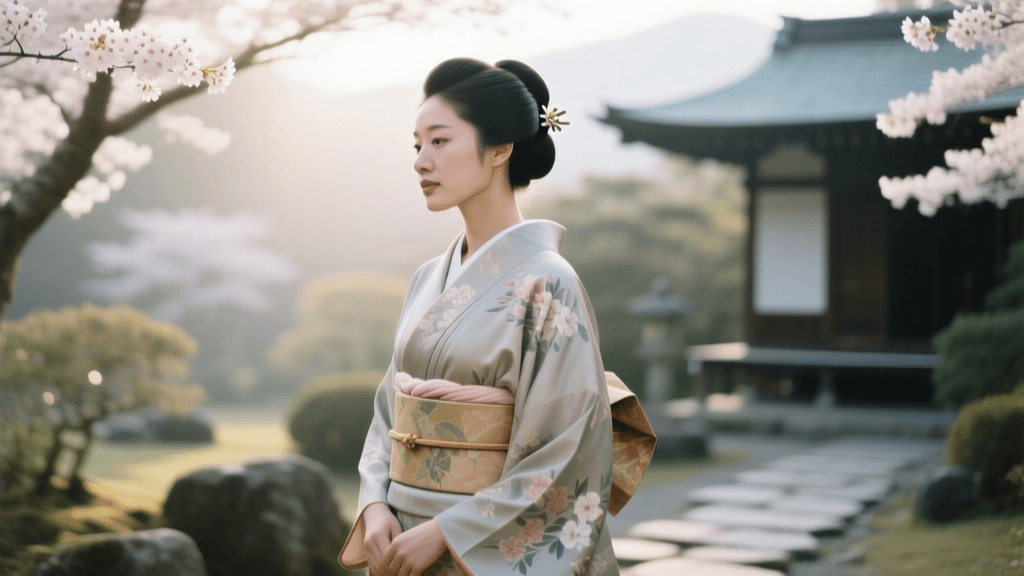
When discussing traditional Japanese clothing, the mainland kimono immediately comes to mind. However, Japan's southernmost prefecture, Okinawa, boasts a distinctly different and equally magnificent sartorial heritage known as Ryusou. Born from the Ryukyu Kingdom (1429–1879), a prosperous maritime trading hub that connected Japan, China, and Southeast Asia, Ryusou reflects a unique blend of indigenous innovation and international influence. Unlike the heavily structured, multi-layered kimono of mainland Japan, Okinawan traditional garments were engineered for a subtropical climate, prioritizing breathability, fluid movement, and vibrant, nature-inspired aesthetics.
For textile enthusiasts, cultural historians, and travelers looking to invest in authentic Asian garments, understanding the regional variations between Ryusou and mainland kimono is essential. This guide explores the structural differences, iconic Okinawan textiles like Bingata and Bashofu, and provides actionable advice on purchasing, sizing, and wearing these magnificent garments today.
Ryusou vs. Mainland Kimono: Structural and Cultural Differences
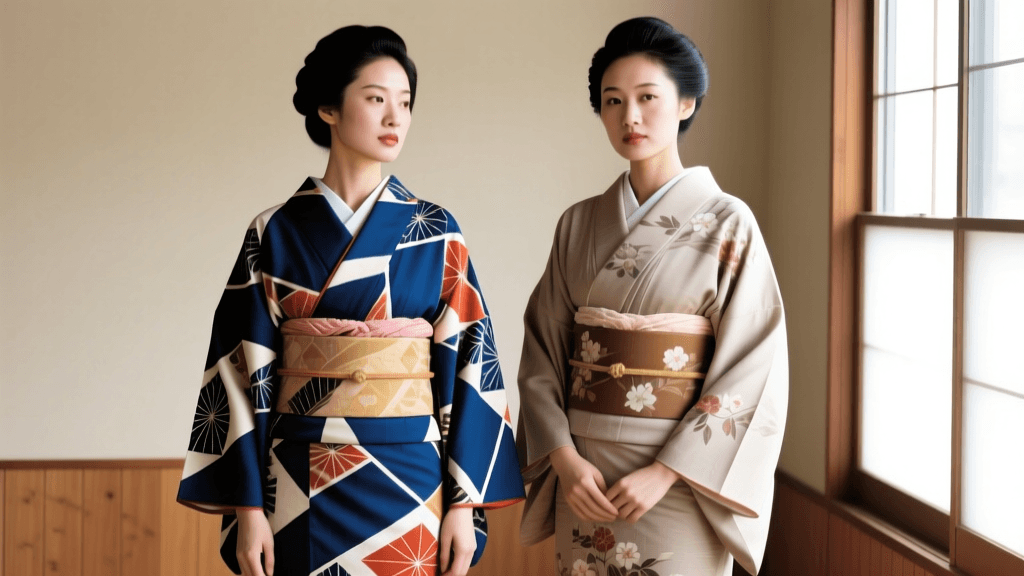
While both garments share a common ancestry rooted in ancient Chinese and Japanese court dress, centuries of geographic isolation and distinct climatic needs forced Ryusou to evolve along a separate trajectory. The most striking differences lie in the cut, the collar, and the method of fastening.
| Feature | Mainland Kimono | Okinawan Ryusou |
|---|---|---|
| Collar Style | Overlapping V-neck (right over left) | Mandarin-style or open, relaxed V-neck |
| Sleeves | Attached, varying shapes (Tomo-sode, Furisode) | Wide, open, and detached from the body seam |
| Fastening | Obi (wide, stiff sash) tied at the back | Thin sash or inner ties; often worn open at the front |
| Fit & Silhouette | Straight, tubular, requires waist folding (Ohashori) | Flowing, A-line, worn ankle-length without folding |
| Climate Adaptation | Layered for distinct four seasons | Single-layered, highly breathable for subtropical heat |
The absence of the ohashori (the waist fold used to adjust the length of a mainland kimono) is a major practical difference. Ryusou is tailored to fall exactly at the ankle, making it significantly easier to put on without the need for professional dressing assistance.
The Crown Jewels of Okinawan Textiles
The true magic of Ryusou lies in its textiles. Okinawa's indigenous weaving and dyeing techniques are recognized globally for their complexity and beauty, with several designated as Important Intangible Cultural Properties by the Japanese government.
Bingata: The Resist-Dyed Masterpiece
Bingata is Okinawa's signature resist-dyeing technique, historically reserved for royalty and the aristocracy of the Ryukyu Kingdom. The process is incredibly labor-intensive. Artisans begin with kata-bori (carving intricate stencils from mulberry paper treated with persimmon tannin). Next, a rice-bran resist paste is applied through the stencil onto the fabric. Once dry, vibrant pigments—traditionally derived from local plants, minerals, and imported Chinese dyes—are painted into the negative spaces using a technique called irosashi. Finally, kumadori (shading) is applied to give the motifs a three-dimensional effect.
The motifs are distinctly Ryukyuan, featuring tropical flora, ocean waves, and auspicious Chinese symbols like dragons and phoenixes. According to the Okinawa Bingata Business Cooperative Association, authentic hand-dyed Bingata requires weeks of meticulous labor, which is reflected in its market value.
Bashofu: The Breathable Banana Fiber
While Bingata represents Okinawan luxury, Bashofu represents the resilient spirit of its common people. Woven from the fibers of the Japanese fiber banana plant (Musa basjoo), Bashofu is renowned for its sheer, lightweight, and crisp texture, making it the ultimate summer fabric. The production of Kijoka-no-Bashofu, the most prestigious variant, requires over 200 banana trees to produce a single tan (a standard bolt of fabric measuring about 12 meters). The fibers are split by hand, tied, dyed with natural indigo or local barks, and woven on traditional looms. The result is a textile that is cool to the touch, highly durable, and possesses a beautiful, subtle slub texture.
Practical Guide: Buying, Wearing, and Caring for Ryusou
Whether you are a collector, a practitioner of traditional arts, or a traveler wanting to experience Okinawan culture, navigating the market requires specific knowledge. Here is your actionable guide to acquiring and wearing Ryusou.
1. Sizing and Measurements
Unlike mainland kimono, which require precise kitake (total length) and yuki (sleeve span) measurements, Ryusou is much more forgiving. Because it does not require an ohashori fold, the garment is typically sized by overall height and hip width.
- Standard Sizing: Modern Ryusou is often sold in S, M, and L. An 'M' generally fits women between 155cm and 160cm (5'1" to 5'3").
- Sleeve Length: The wide, open sleeves of the Ryusou are designed to catch the breeze. Ensure the sleeve hem falls just below the wrist when arms are relaxed at your sides.
- Custom Tailoring: If commissioning a custom Bashofu Ryusou, request an ankle-length cut (measured from the base of the neck to the ankle bone) to ensure proper proportions without the need for a waist fold.
2. Costs and Where to Buy
Authentic Okinawan textiles are an investment. When shopping, head to Naha's Tsuboya district or the Kokusai-dori shopping arcade, where reputable galleries and cooperatives operate.
- Rentals: For tourists, renting a Bingata or Ryusou set for a day is highly popular. Expect to pay between ¥5,000 and ¥8,000 ($35–$55 USD) for a full day rental, including dressing assistance and accessories.
- Bingata Obi (Sash): A hand-dyed Bingata obi for a mainland kimono typically ranges from ¥80,000 to ¥150,000 ($550–$1,000 USD).
- Authentic Bingata Kimono: A full, hand-painted Bingata kimono can easily exceed ¥300,000 ($2,000 USD), with master-crafted pieces reaching over ¥1,000,000.
- Bashofu Yardage: A standard bolt of authentic Kijoka-no-Bashofu starts around ¥300,000 to ¥500,000 due to the extreme scarcity of skilled weavers and the sheer volume of raw material required.
Buyer's Tip: Beware of 'print' Bingata sold in tourist traps. Authentic Bingata will have a slight stiffness from the rice paste resist and will show deep, vibrant color penetration on the reverse side of the fabric. Screen-printed imitations will look flat and lack the characteristic hand-painted shading.
3. Seasonal Timing and Cultural Events
Ryusou and Bingata are inherently tied to the Okinawan calendar. The best time to wear and photograph these garments is during local festivals. The Haarii (traditional dragon boat races) in early June and the Naha Otsunahiki (giant tug-of-war) in October are prime events where locals don their finest Ryusou and Bingata attire. Wearing Bashofu during the peak humidity of July and August is not just culturally appropriate; it is a practical necessity for surviving the subtropical heat in elegance.
Cultural Preservation and Contemporary Relevance
The survival of Ryukyuan textiles is a testament to the resilience of the Okinawan people, particularly following the devastation of World War II, during which many stencils, looms, and artisan lives were lost. Today, organizations and local artisans are working tirelessly to pass down these techniques. The Okinawa Prefectural Museum & Art Museum plays a crucial role in preserving historical garments and educating the public on the intricate socio-political history woven into every thread.
Contemporary fashion designers in Okinawa are also finding ways to integrate Bingata motifs and Bashofu textures into modern, everyday wear, ensuring that these textiles do not become mere museum relics. From Bingata-printed aloha shirts to modern silhouettes cut from traditional banana fiber, the Ryukyuan textile tradition continues to evolve.
"To wear Ryusou is to wear the history of the Ryukyu Kingdom—a history of ocean winds, international trade, and an unbreakable island spirit."
For those looking to expand their appreciation of Asian traditions beyond the mainland, exploring the regional variations of Okinawa offers a vibrant, breathable, and profoundly beautiful alternative. Whether you are investing in a hand-carved Bingata stencil piece or simply renting a flowing Ryusou for a summer festival, you are participating in the ongoing story of one of Asia's most unique cultural heritages. For more information on regional cultural preservation, the Okinawa Prefectural Government provides extensive resources on local artisan cooperatives and heritage sites.