2026 Sashiko Streetwear Collabs: Care & Style Guide
The Renaissance of Japanese Heritage in 2026 Global Design
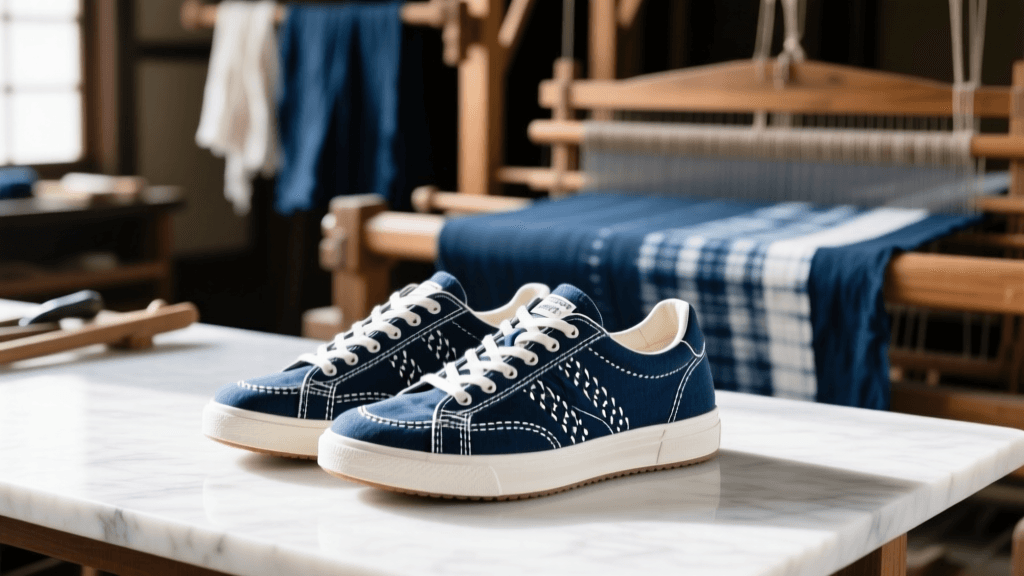
The global fashion landscape in 2026 has witnessed a definitive shift from superficial cultural appropriation to deep, structural collaboration. Nowhere is this more evident than in the intersection of traditional Japanese textile arts and international streetwear. Leading luxury houses and premium sneaker brands are no longer merely mimicking Japanese aesthetics; they are directly partnering with multi-generational artisan collectives in Okayama, Kyoto, and Kurume. The result is a new echelon of limited-edition footwear and apparel that marries the rugged, utilitarian beauty of Sashiko (decorative reinforcement stitching) and Boro (mended patchwork) with cutting-edge global design silhouettes.
Historically, these techniques were born of necessity. As documented by The Metropolitan Museum of Art, Japanese textiles have long reflected the socio-economic realities and profound aesthetic philosophies of their creators. Rural populations in the Edo and Meiji periods mended their hemp and cotton garments with scrap fabrics and running stitches to extend their lifespans, inadvertently creating a visual language of resilience and beauty that defines the modern wabi-sabi aesthetic. Today, in 2026, these very techniques are utilized to elevate mass-produced streetwear into the realm of wearable, collectible art.
Anatomy of a 2026 Sashiko Collaboration
When evaluating the top-tier international collaborations released this year, collectors and enthusiasts must understand the specific anatomy of the garments and footwear. A standard 2026 luxury Sashiko sneaker or jacket is not simply printed with a pattern; it is structurally engineered using heritage methods.
Stitching Techniques: Hitomezashi vs. Moyouzashi
- Hitomezashi (One-Stitch Sashiko): Characterized by strict, grid-based geometric patterns. This method relies on a counting system, creating dense, highly structured motifs that provide exceptional tensile strength to the underlying denim or canvas. In 2026 sneaker uppers, Hitomezashi is favored for its uniform, architectural look.
- Moyouzashi (Pattern Sashiko): Featuring curvilinear, free-flowing motifs like waves, flowers, and clouds. This technique is predominantly used on luxury collaboration jackets and wide-leg trousers, allowing the artisan to map the design organically across the garment's drape.
Authentic 2026 Okayama collaboration pieces typically feature a stitch density of 8 to 12 stitches per inch (SPI). Anything less indicates machine-assisted embroidery rather than true hand-finished artisan work.
2026 Collaboration Tiers: Market Breakdown
Navigating the market requires understanding where a specific release falls within the current industry hierarchy. Below is a comparative analysis of the 2026 collaboration landscape.
| Tier | Price Range (USD) | Production Time | Key Materials | Release Method |
|---|---|---|---|---|
| Luxury House (e.g., Parisian/Milanese) | $1,200 - $3,500 | 40-60 hours per garment | Natural Aizome (Indigo), Silk blends, Kojima Denim | Boutique Allocation, VIP Clienteling |
| Premium Streetwear (e.g., Global Sneaker Brands) | $450 - $850 | 15-25 hours per pair | Heavyweight Canvas, Sashiko Cotton Thread, Vulcanized Rubber | Global Raffles, SNKRS Apps |
| Artisan Direct (e.g., Kyoto/Okayama Studios) | $300 - $1,100 | 6-8 months lead time | Recycled Vintage Boro, Hand-spun Hemp, Natural Dyes | Direct Commission, Waitlist |
Sourcing and Authenticating 2026 Limited Releases
With the secondary market for Japanese heritage streetwear booming, authentication has become a critical skill for collectors. According to recent market analyses by the Business of Fashion, the resale value of authentic, hand-stitched Boro collaborations has outpaced traditional luxury leather goods in 2026, driven by a younger demographic's desire for sustainable, story-rich garments.
Authentication Checkpoints
When verifying a 2026 Sashiko collaboration piece, inspect the reverse side of the fabric. True hand-stitched Sashiko will show slight, organic irregularities in thread tension and knotting on the interior. Machine-embroidered counterfeits will display perfectly uniform, locked stitches on both sides. Additionally, authentic natural indigo (Aizome) will have a distinct, earthy, slightly fermented scent and will exhibit a phenomenon known as 'ring dyeing'—where the core of the cotton yarn remains white, allowing the garment to fade beautifully over time.
Essential Care and Maintenance for Indigo and Sashiko
Owning a piece of this caliber requires a departure from standard laundry habits. The natural dyes and hand-spun threads used in 2026 collaborations are highly reactive to modern chemicals and heat. Following the Victoria and Albert Museum's conservation guidelines for historical textiles, modern collectors must treat these streetwear pieces with museum-level care.
The 2026 Washing Protocol
- Temperature Control: Never exceed 15°C (59°F). Warm water will cause the natural indigo to bleed rapidly and can shrink the un-sanforized cotton bases often used in premium collaborations.
- Detergent Selection: Avoid alkaline detergents and optical brighteners entirely. Use a pH-neutral, enzyme-free soap specifically formulated for raw denim and natural dyes.
- The Soak Method: Turn the garment or sneaker uppers inside out. Submerge in water for no longer than 15 minutes. Agitate gently by hand; never use a washing machine's agitator, which can snap the delicate Sashiko threads.
- Drying: Air dry exclusively in the shade. Ultraviolet (UV) radiation from direct sunlight will degrade the natural indigo molecules, leading to uneven, patchy fading and brittleness in the cotton fibers.
The Art of Modern Mending
If a Sashiko thread snags or a Boro patch begins to fray, do not cut the thread. In the Japanese tradition, the wear and repair of the garment add to its narrative. Use a contrasting white or gold cotton thread to perform a visible mending technique, embracing the wabi-sabi philosophy that celebrates the beauty of imperfection and the passage of time.
Styling Heritage-Infused Streetwear for the Modern Wardrobe
Integrating highly textured, pattern-heavy Sashiko and Boro pieces into a contemporary 2026 wardrobe requires a disciplined approach to proportion and color theory. The goal is to let the heritage craftsmanship serve as the focal point without overwhelming the silhouette.
Footwear Pairings
When styling Sashiko collaboration sneakers, anchor them with relaxed, wide-leg trousers in muted, earthy tones. Olive drab, charcoal, and undyed ecru canvas allow the intricate blue-and-white stitching of the footwear to pop. Avoid pairing them with heavily distressed or patterned denim, as this creates visual clutter and detracts from the artisan's work.
Jacket and Outerwear Proportions
A 2026 Boro-collaboration chore coat or bomber jacket is inherently bulky due to the layered patchwork. Balance this volume by wearing it over a minimalist, lightweight base layer—such as a fine-gauge merino wool turtleneck or a crisp, white poplin shirt. Keep the lower half streamlined with tailored trousers or dark, raw selvedge denim to maintain a sharp, modern silhouette that respects the garment's historical roots while firmly planting it in contemporary urban fashion.
Conclusion
The 2026 landscape of Japanese fashion in international design collaborations represents a triumph of cultural preservation meeting global innovation. By understanding the historical context, mastering the authentication process, and adhering to strict, conservation-grade care protocols, collectors and enthusiasts can ensure that these breathtaking intersections of Okayama heritage and modern streetwear endure for generations to come.