Traveling With Hanfu In 2026: Packing & Destination Guide
The Renaissance of Hanfu Travel in 2026
As we move through 2026, the global appreciation for traditional Chinese clothing has evolved from a niche hobby into a mainstream travel lifestyle. According to recent cultural tourism reports, over 45 million travelers specifically planned itineraries around Hanfu photography and heritage site visits this year. However, traveling with garments that feature voluminous sleeves, intricate pleating, and delicate silk embroidery requires a strategic approach. Whether you are navigating the bustling streets of Shanghai or posing in the ancient courtyards of Kyoto, mastering the art of Hanfu travel is essential for the modern cultural explorer.
This comprehensive guide covers the latest 2026 packing technologies, wrinkle-prevention strategies, and the top destinations where wearing Hanfu is not just accepted, but celebrated with dedicated infrastructure and exclusive visitor perks.
Essential Hanfu Packing Gear for 2026
The days of stuffing delicate Mamianqun (horse-face skirts) into standard luggage are over. The 2026 travel market offers specialized gear designed specifically for traditional garments. Investing in the right equipment ensures your garments remain pristine from the hotel closet to the photography location.
1. The Compression Garment Folder
For structured skirts like the pleated Mamianqun, maintaining the knife pleats is the highest priority. The Shikioriori Silk Compression Folder (2026 Edition) features built-in rigid pleat-boards that lock the folds in place while compressing the garment to half its traditional volume. Priced at $85, it is an indispensable tool for travelers flying with budget airlines that restrict carry-on dimensions.
2. Portable Smart Steamers
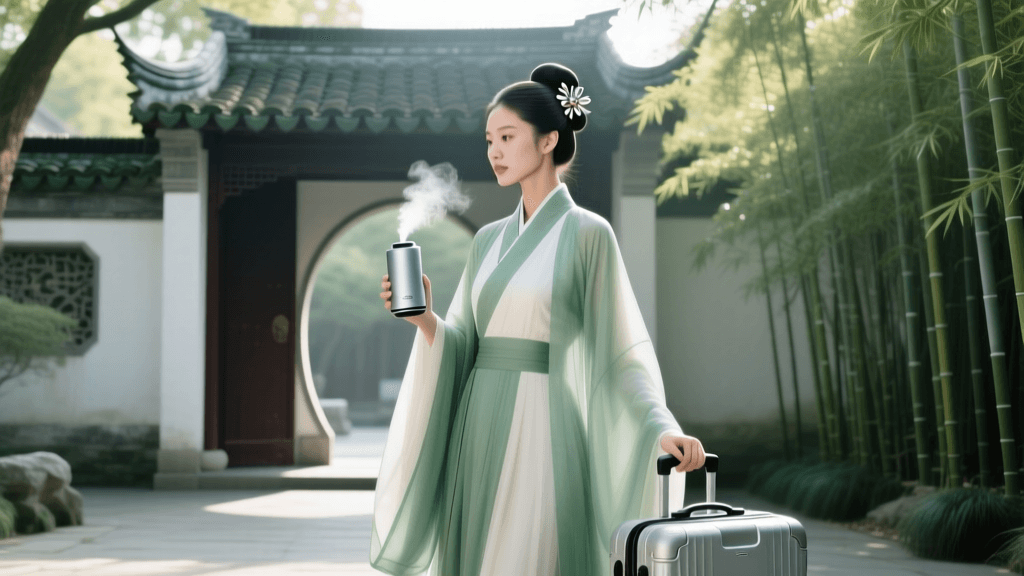
Hotel irons are notoriously unreliable and dangerous for delicate brocades and jacquards. The Philips STH7060 Smart Handheld Steamer has become the gold standard for Hanfu travelers in 2026. Weighing just 1.2 pounds and featuring a ceramic-coated micro-steam plate, it safely relaxes wrinkles from silk organza and chiffon without risking water spots or heat damage. Its dual-voltage capability makes it perfect for international trips.
3. Moisture-Wicking Base Layers
Wearing multiple layers of Hanfu in humid climates can be exhausting. Modern Zhongyi (inner garments) have evolved. Brands like Neiwai have introduced ultra-thin, moisture-wicking bamboo-blend base layers that mimic the look of traditional inner collars while providing the cooling technology of modern activewear.
Destination Guide: Top Hanfu-Friendly Cities in 2026
Not all destinations offer the same level of support for traditional dress travelers. In 2026, several cities have upgraded their infrastructure to specifically cater to the Hanfu community, offering dedicated changing rooms, luggage storage for bulky garment bags, and even discounted entry fees for those in full traditional attire.
| Destination | Best Sub-Style | Peak Season | 2026 Traveler Perks |
|---|---|---|---|
| Xi'an, China | Tang Dynasty (Opulent, wide sleeves) | Spring / Autumn | Free night entry to City Wall; dedicated makeup studios at Bell Tower. | \ the streets of the Tang Paradise theme park and the ancient City Wall, the local government has heavily subsidized "Heritage Wardrobe" stations. These are public, climate-controlled changing rooms with professional lighting, located every 500 meters in the tourist district.
| Kyoto, Japan | Ming Dynasty (Structured, elegant) | Spring (Cherry Blossom) | Priority entry at Kiyomizu-dera; specialized rickshaw seating for wide skirts. |
| Hangzhou, China | Song Dynasty (Minimalist, slender) | Year-round | Discounted West Lake boat tours; free silk-garment steaming at partner hotels. |
| Suzhou, China | Ming / Song (Scholar, garden styles) | Late Spring | Private garden photo-permits; humidity-controlled garment lockers at Humble Administrator's Garden. |
For international travelers, Kyoto remains a premier destination. While famous for its domestic Kimono rental culture, the city has embraced the Hanfu movement. According to the Japan National Tourism Organization, cross-cultural heritage tourism has surged, and many local rickshaw pullers and tea houses in the Higashiyama district are now trained to accommodate the specific seating and movement requirements of Ming Dynasty silhouettes.
The 5-Step Wrinkle-Free Packing Method
To ensure your garments are camera-ready upon arrival, follow this specialized folding and packing protocol recommended by textile conservationists.
- Step 1: The Tissue Buffer. Never fold silk directly onto itself. Place acid-free, unbuffered tissue paper (available from archival supply stores or brands like Talas) between every fold. This prevents hard creases and reduces friction that can damage metallic embroidery threads.
- Step 2: The Roll Technique for Tops. For upper garments like the Aoqun top or Beizi, lay the garment flat, fold the sleeves inward parallel to the body, and roll gently from the hem to the collar. Rolling prevents the sharp, hard-to-remove creases that traditional folding creates.
- Step 3: Pleat Locking. For Mamianqun, do not roll. Use the aforementioned rigid pleat-boards or tightly roll the skirt around a cylindrical cardboard tube (like a wrapping paper core) to maintain the curvature and integrity of the pleats.
- Step 4: Strategic Placement. Place your Hanfu packing folder in the center of your suitcase, surrounded by softer items like modern casual wear or undergarments. This creates a shock-absorbing barrier against baggage handling impacts.
- Step 5: The Arrival Steam. Immediately upon checking into your accommodation, hang the garments in the bathroom while you run a hot shower for 10 minutes. The ambient steam will release minor travel wrinkles before you even unpack your handheld steamer.
Navigating Transit and Security
Traveling with a garment bag is standard practice, but airline policies in 2026 have become stricter regarding overhead bin space. The International Air Transport Association (IATA) recommends that passengers traveling with delicate cultural or formal wear inquire about "closet space" at the check-in counter. Most legacy carriers (such as Singapore Airlines, Cathay Pacific, and Emirates) still offer first-class closet space to economy passengers on a first-come, first-served basis if requested politely and in advance.
When passing through airport security, be prepared for the metal detectors. Many authentic Hanfu accessories, particularly the intricate buyao (hairpins) and metal waist ornaments, contain copper, brass, or steel. Pack all hair accessories in a clear, zippered TSA-approved bag and place them in a bin to avoid setting off the scanner and requiring a manual pat-down, which could bend delicate metalwork.
Climate-Specific Fabric Selection
Your destination should dictate your fabric choice. In 2026, the Hanfu market offers incredible fabric innovations that bridge historical accuracy with modern comfort.
Humid & Tropical Destinations (e.g., Singapore, Hainan)
Avoid heavy brocades and multi-layered cottons. Opt for Xiangyunsha (gambiered canton gauze). This traditional silk, dyed with yam juice and river mud, is naturally cooling, moisture-wicking, and highly resistant to wrinkling. It is the ultimate luxury travel fabric for hot climates.
Cold & Dry Destinations (e.g., Beijing in Winter, Northern Japan)
Historical accuracy in winter requires layering. Look for Hanfu sets that incorporate modern thermal linings. Many 2026 winter collections from top Taobao brands feature hidden Thinsulate or merino wool interlinings inside the traditional outer shell, providing warmth without adding the bulk that ruins the drape of the garment.
Final Thoughts on Cultural Etiquette
As Hanfu becomes a global travel staple, maintaining cultural respect is paramount. Always research the specific historical context of the garments you are wearing. Wearing a somber, plain-colored mourning garment style to a vibrant festival, or mixing elements from conflicting historical dynasties in sacred spaces, can be seen as disrespectful. Resources like the China Daily's cultural heritage sections offer excellent guides on dressing appropriately for different historical sites and seasons.
By combining modern 2026 packing technology with a respectful understanding of textile history, your Hanfu travel experiences will be as seamless and beautiful as the garments themselves.