Everyday Japanese Fashion: A Guide to Samue and Jinbei
The Shift from Formal to Everyday Japanese Wear
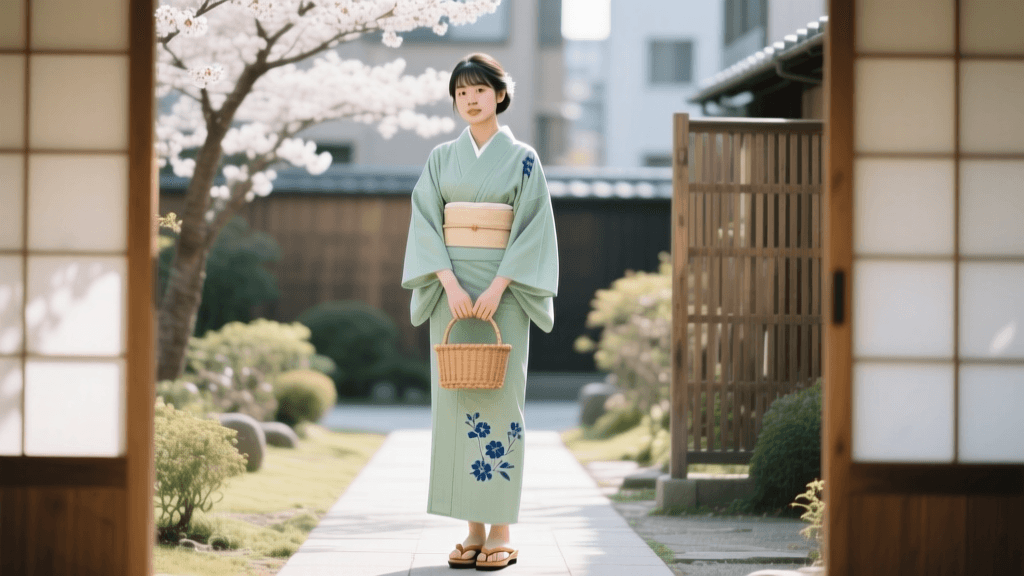
When most people think of traditional Japanese clothing, the mind immediately goes to the intricate, multi-layered kimono. As detailed by the Metropolitan Museum of Art, the formal kimono is a masterpiece of textile art, requiring specific undergarments, a complex obi knot, and professional assistance to wear correctly. However, Japan has a rich, parallel history of practical, everyday traditional wear designed for comfort, labor, and relaxation. Enter the samue and jinbei—two garments that have successfully bridged the gap between historical workwear and modern casual loungewear. For those looking to integrate Asian traditions into a daily wardrobe without the restrictive nature of formal silk garments, these cotton and linen staples offer an accessible, stylish, and deeply cultural alternative.
Samue: From Zen Monasteries to Modern Loungewear
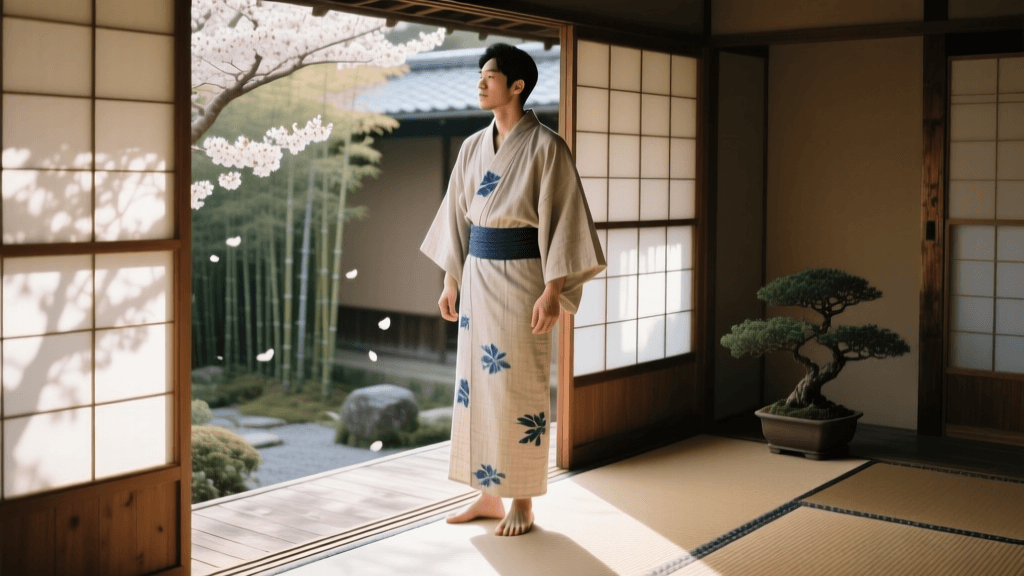
The samue (作務衣) translates literally to 'clothing for work' or 'clothing for chores.' Its origins are deeply rooted in Zen Buddhism. Monks required practical, unrestrictive clothing for samu—the physical labor considered an essential part of Zen practice, such as chopping wood, sweeping temple grounds, and farming. Unlike the flowing sleeves of a kimono which could catch on tools or brush, the samue featured tapered sleeves and ankles, allowing for complete freedom of movement.
Today, the samue has transcended its monastic origins. It is the unofficial uniform of Japanese artisans, potters, calligraphers, and soba noodle chefs. In recent decades, it has also become wildly popular as high-quality loungewear and casual streetwear. The Victoria and Albert Museum notes that while the kimono has evolved significantly over centuries, the underlying Japanese appreciation for functional, unstructured garments like the samue remains a constant thread in the nation's sartorial history.
Construction, Fabrics, and the Art of Kurume Kasuri
A traditional samue consists of two pieces: a long-sleeved, thigh-length jacket and full-length trousers. Both pieces are secured not with an obi, but with simple cotton strings (himo) tied at the side. The jacket wraps right over left and ties at the right hip, while the pants feature an elastic or drawstring waistband with side slits for ease of movement.
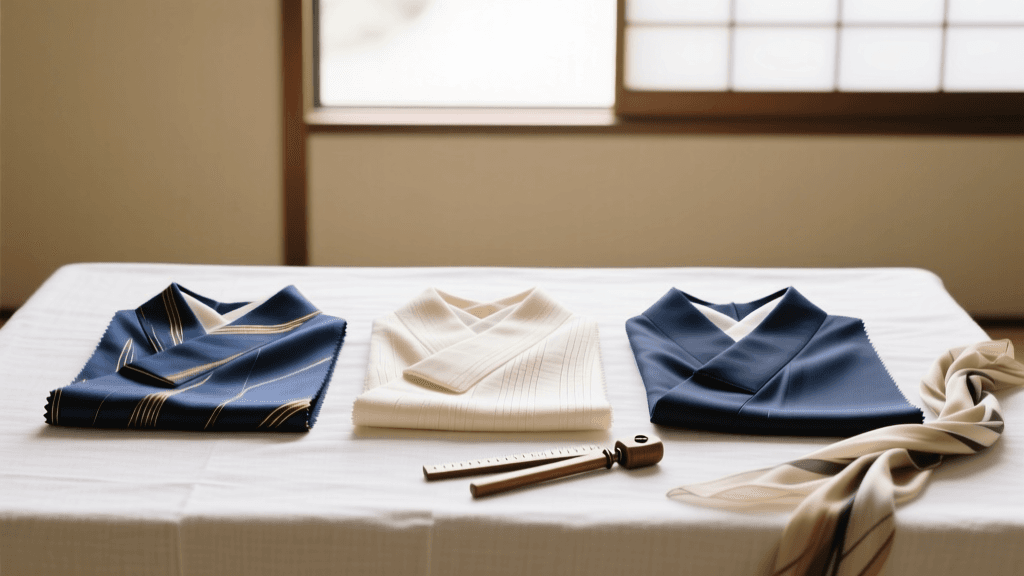
The fabric dictates the season and price point. Summer samue are often made from asa (linen) or lightweight wazarashi cotton, a traditional Japanese weaving technique that creates a highly breathable, crinkled texture. Winter samue utilize heavier quilted cotton or wool blends. One of the most prized materials for premium samue is Kurume Kasuri, a traditional indigo-dyed cotton from Fukuoka Prefecture characterized by its subtle, splashed geometric patterns. A genuine Kurume Kasuri samue is an investment piece, celebrated for its durability and the way the indigo softens and fades beautifully over years of wear.
Jinbei: The Ultimate Japanese Summer Casual Staple
If the samue is the garment of the artisan, the jinbei (甚平) is the garment of the summer festival. Originating in the Edo period, the jinbei evolved from a short-sleeved kimono called the jinbei-sama. It was designed specifically to combat Japan's notoriously hot and humid summers.
Construction and Breathability
The jinbei consists of a short-sleeved, wrap-style top and matching shorts. The defining feature of the jinbei shorts is the side slits, which are left open and laced with a woven cord. This design allows for maximum airflow, keeping the wearer cool in sweltering weather. The top wraps right over left and is tied with two sets of strings: one on the inside left waist and one on the outside right waist.
Jinbei are typically made from lightweight cotton, cotton-linen blends, or modern seersucker fabrics. They are often dyed using traditional shibori (tie-dye) techniques or printed with classic summer motifs like morning glories, goldfish, fireworks, and geometric seigaiha (wave) patterns. According to cultural guides like Japan Experience, wearing a jinbei is practically a requirement for attending local matsuri (festivals) and hanabi (fireworks) displays in July and August, offering a culturally immersive and highly comfortable alternative to the heavier cotton yukata.
Samue vs. Jinbei: A Comparative Guide
While both garments share a wrap-style construction and side-tie closures, their use cases, seasonal appropriateness, and formality levels differ significantly. Use the table below to determine which garment suits your lifestyle and wardrobe needs.
| Feature | Samue | Jinbei |
|---|---|---|
| Season | Year-round (fabric dependent) | Strictly Summer |
| Sleeve/Leg Length | Long sleeves, full-length pants | Short sleeves, shorts |
| Primary Use Case | Loungewear, artisan work, casual streetwear | Summer festivals, at-home sleepwear, beachwear |
| Formality | Smart-casual (acceptable in some restaurants) | Strictly casual (loungewear and festival wear) |
| Footwear Pairing | Setta, zori, or modern sneakers | Barefoot, geta, or casual sandals |
| Average Cost (JPY) | ¥5,000 - ¥18,000+ | ¥2,500 - ¥6,000 |
How to Style, Tie, and Wear Your Garments
Integrating these garments into your daily life requires understanding a few fundamental rules of Japanese dress. The most critical rule applies to the wrapping direction. Always wrap the right side of the garment over your body first, then bring the left side over the right. This is known as migi-mae. Wrapping left over right (hidari-mae) is strictly reserved for dressing the deceased in Japanese funerary rites. Getting this wrong is considered highly inauspicious and will immediately mark you as unfamiliar with the culture.
Tying the Himo (Strings)
Both garments use himo (cotton strings) rather than knots or buttons. For the samue jacket, tie the inner string on your left waist, then wrap the left panel over and tie the outer string on your right hip. Use a simple bow or a secure square knot. The strings should be tied snugly enough to keep the jacket closed, but loose enough to allow a relaxed, boxy silhouette. Do not pull the strings so tight that the fabric bunches awkwardly.
Undergarments and Footwear
Traditionally, a hadajuban (a thin cotton undershirt) is worn beneath a samue or jinbei to absorb sweat and protect the outer garment. In modern practice, a simple, well-fitted cotton tank top or V-neck t-shirt in white, black, or navy works perfectly. For footwear, the samue pairs beautifully with setta (traditional Japanese sandals with a leather sole) for a smart-casual look, or clean, minimalist sneakers for a contemporary streetwear aesthetic. Jinbei are almost exclusively worn barefoot with wooden geta or casual slip-on sandals.
Practical Buying Guide: Sizing, Costs, and Care
Purchasing authentic samue and jinbei requires an understanding of Japanese sizing, which differs significantly from Western standards. Japanese sizing is generally based on height and chest circumference rather than generic Small, Medium, or Large labels.
Sizing and Measurements
- Size M: Typically fits heights of 165–175 cm (5'5"–5'9") with a chest measurement of 88–96 cm.
- Size L: Fits heights of 175–185 cm (5'9"–6'1") with a chest measurement of 96–104 cm.
- Size LL (XL): Fits heights over 185 cm with a chest measurement over 104 cm.
Pay close attention to the inseam and sleeve length. Samue pants are designed to sit right at the ankle bone or slightly above, with an average inseam of 65–70 cm. If you are taller than average, look for brands that offer 'tall' variants or adjustable hem cords.
Cost Expectations and Where to Buy
You can find entry-level jinbei and synthetic-blend samue at mass-market retailers like Uniqlo or Muji during the summer months for around ¥2,500 to ¥4,000 ($15–$25 USD). However, for authentic, durable traditional wear, seek out specialized retailers. Brands like Ippudo (famous for outfitting ramen chefs) offer excellent mid-range cotton samue for ¥6,000–¥9,000 ($40–$60 USD). For premium, artisanal pieces, look for Kurume Kasuri or Omi-jofu linen samue from specialized Kyoto or Fukuoka textile shops, which will range from ¥15,000 to ¥25,000+ ($100–$170+ USD).
Care and Maintenance
To preserve the integrity of the fabrics, especially natural indigo dyes, avoid harsh detergents and bleach. Wash your cotton and linen garments on a gentle, cold-water cycle or by hand. Never tumble dry, as the heat will cause significant shrinkage and damage the side ties. Instead, reshape the garment while damp and hang it to dry in the shade; direct sunlight will fade indigo and kasuri patterns prematurely.
Integrating Japanese Casual Wear into a Global Wardrobe
The beauty of the samue and jinbei lies in their unpretentious versatility. While a formal silk kimono is reserved for weddings, tea ceremonies, and coming-of-age celebrations, the samue and jinbei invite you to experience Japanese textile traditions in your most relaxed moments. Whether you are wearing a linen samue while working from home, reading in the garden, or donning a vibrant cotton jinbei at a local summer street fair, these garments offer a profound connection to Japanese culture. They prove that traditional Asian fashion is not merely a relic of the past to be kept behind glass, but a living, breathing, and deeply comfortable part of everyday life.