Kimono Textile Trade Routes & Imports: 2026 Guide
The Global Tapestry of the Kimono: A 2026 Collector's Perspective
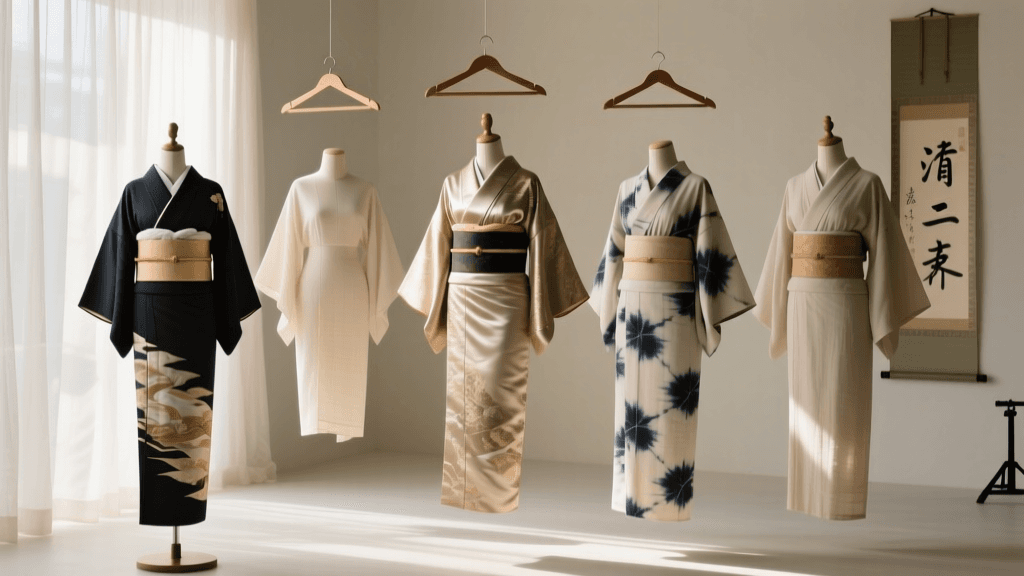
The kimono is globally recognized as the quintessential Japanese garment, yet its material history is deeply intertwined with international trade routes that spanned continents. Far from being an isolated sartorial tradition, the evolution of Japanese textiles was heavily influenced by the Silk Road, maritime trade networks, and the importation of exotic dyes and weaving techniques. As we navigate the collector's market in 2026, understanding these historical kimono textile trade routes is essential for authenticating, sourcing, and preserving rare garments. Today's discerning collectors and textile historians are increasingly seeking out pieces that showcase these historical imports, driving a renaissance in the appreciation of globally influenced Japanese fashion.
According to the Metropolitan Museum of Art's Heilbrunn Timeline of Art History, the Japanese kimono has always been a dynamic garment, absorbing foreign influences and adapting them into uniquely localized aesthetics. In 2026, the intersection of historical preservation and modern authentication technology has made it easier than ever to trace the lineage of imported silks, wools, and dyes that define the most valuable antique and vintage kimono textiles on the market.
The Silk Road's Legacy in Nishijin-ori Brocades
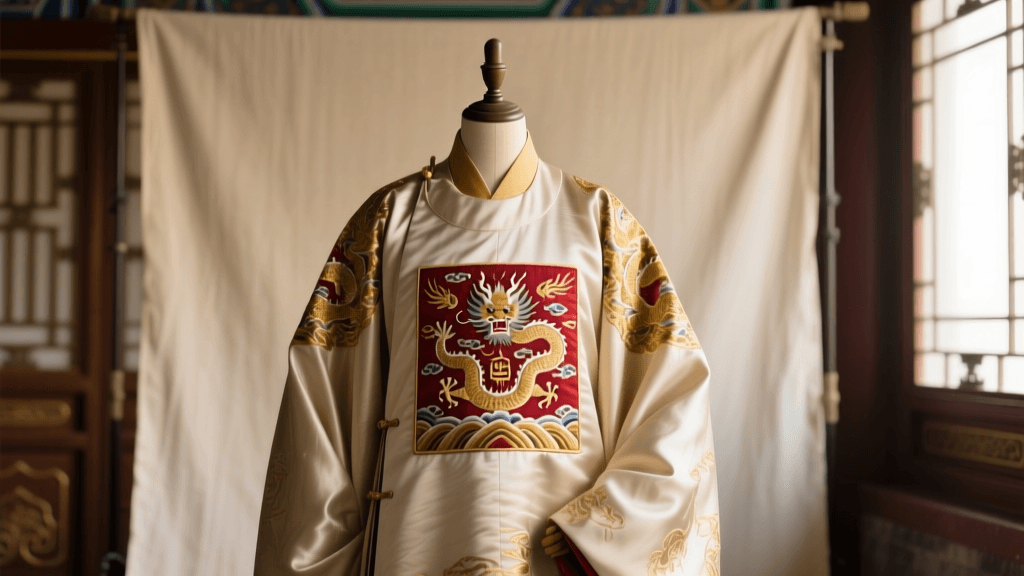
The influence of the Asian continental trade routes on Japanese weaving cannot be overstated. The foundation of Kyoto's famed Nishijin-ori (Nishijin weave) is deeply rooted in techniques imported from Tang and Song dynasty China. Following the devastating Onin War in the 15th century, displaced weavers traveled to Sakai and later returned to Kyoto, bringing with them advanced Chinese brocade techniques learned from continental artisans and imported textiles.
The UNESCO Silk Roads Programme highlights how the exchange of sericulture and weaving technologies shaped the cultural landscapes of East Asia. In the context of the kimono, this manifested in the creation of Kara-ori (Chinese-style weave), a luxurious brocade characterized by floating weft threads that mimic embroidery. Authenticating historical Kara-ori in 2026 requires a keen eye for the specific metallic threads and silk tensions that were hallmarks of early imported Chinese textiles. Modern collectors utilize portable Raman spectrometers to analyze the metallic composition of gold and silver threads, distinguishing between historical imported gold leaf wrapped around a silk core and later domestic synthetic alternatives.
Nanban Trade: Portuguese and Dutch Maritime Imports
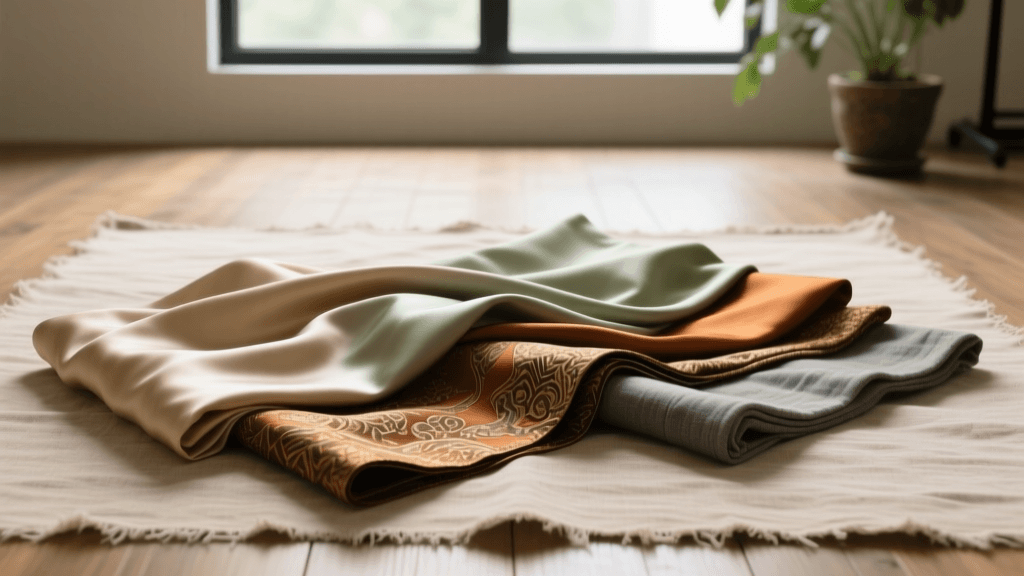
While the Silk Road provided the foundation for silk brocades, the maritime trade routes of the 16th and 17th centuries introduced entirely new materials to the Japanese archipelago. The arrival of Portuguese traders in 1543 initiated the Nanban (Southern Barbarian) trade, bringing European woolens, velvet, and Indian chintz to Japanese shores. These imported textiles were highly prized by the samurai class and wealthy merchants, often repurposed into jinbaori (surcoats worn over armor) or incorporated as striking accents on kosode (the precursor to the modern kimono).
Dutch East India Company (VOC) ships later dominated this maritime route, importing vast quantities of sarasā (Indian chintz) from the Coromandel Coast. The vibrant, colorfast dyes and intricate floral motifs of Indian cotton profoundly influenced Japanese dyeing techniques, eventually inspiring the development of domestic katagami (stencil dyeing) and yuzen resist-dyeing methods. In 2026, antique jinbaori featuring original Nanban-imported velvet or VOC chintz are among the most fiercely contested items at international textile auctions, often fetching premium prices due to their extreme rarity and historical significance.
2026 Sourcing Guide: Authenticating Imported Textiles
For collectors and enthusiasts operating in the 2026 market, distinguishing genuine historical imports from later domestic imitations requires a methodical approach. The modern market is saturated with high-quality reproductions, making provenance and material analysis critical. Here are the actionable steps for authenticating historically imported kimono textiles today:
- Spectral Dye Analysis: Utilize non-destructive spectral imaging to identify imported dyes. For example, true Indian madder (imported via maritime routes) exhibits a different chemical signature than domestic Japanese safflower (benibana) or synthetic dyes introduced in the late 19th century.
- Thread Microscopy: Examine the cross-section of metallic threads. Historical Persian and Chinese imports typically feature pure gold or silver leaf applied to mulberry paper or animal intestine, then spiral-wrapped around a silk core. Domestic mass-produced threads from later eras often use lacquered paper or synthetic films.
- Weave Structure Verification: Consult with certified textile appraisers who specialize in historical weave structures. Authentic Kara-ori imported or woven by early continental-trained artisans will feature specific warp-faced twill foundations that differ from later Edo-period domestic adaptations.
- Provenance Documentation: In 2026, blockchain-verified provenance records are becoming standard for high-end antique textiles. Always request the digital ledger history accompanying a piece to verify its chain of custody from original aristocratic or samurai estates.
Market Pricing and Availability in 2026
The market for historically imported kimono textiles has seen significant appreciation leading into 2026, driven by a global surge in interest regarding cross-cultural fashion history. Below is a comprehensive breakdown of current market valuations and primary sourcing hubs for collectors.
| Textile Type | Historical Trade Origin | 2026 Average Price (USD) | Primary Sourcing Hub |
|---|---|---|---|
| Kara-ori Brocade | Tang/Song China via Silk Road | $1,200 - $3,500 | Nishijin, Kyoto |
| Sarasā Chintz | Coromandel Coast via VOC | $800 - $2,100 | Tokyo Antique Fairs |
| Rasha Wool / Velvet | Portuguese Nanban Trade | $1,500 - $4,000 | Specialized Dealers |
| Persian Gold Thread | Safavid Persia via Maritime | $2,500 - $6,000 | Kyoto Auctions |
When sourcing these textiles, buyers should prioritize established auction houses in Kyoto and Tokyo, as well as vetted online platforms that provide third-party authentication certificates. The Victoria and Albert Museum's Asian Collections archives serve as an excellent visual reference for collectors looking to compare the motif structures and dye palettes of verified historical imports against pieces currently on the market.
Preserving Historical Import Techniques in Modern Weaving
The legacy of these trade routes is not confined to antique markets; it actively informs contemporary kimono production. In 2026, a new generation of Nishijin weavers is deliberately reviving historical import techniques to create modern garments that honor this global heritage. By sourcing authentic raw silk from traditional Chinese sericulture farms and utilizing historically accurate metallic thread wrapping methods, these artisans are bridging the gap between ancient trade routes and modern sustainable fashion.
For buyers interested in newly woven pieces that utilize these historical methods, look for the 'Heritage Import Technique' certification, a designation introduced by Kyoto textile cooperatives in early 2026. This certification guarantees that the weaver has utilized historically accurate, internationally sourced materials and traditional loom setups, ensuring the survival of these complex, cross-cultural weaving traditions for future generations.
Caring for Historical Trade Textiles
Preserving kimono textiles that feature imported materials requires specialized care. Nanban woolens and velvets are particularly susceptible to moisture fluctuations and pest damage, necessitating climate-controlled storage environments maintained strictly at 50% relative humidity and 65°F (18°C). Silk brocades with imported metallic threads should never be folded along the same crease lines, as the historic metal leaf can fracture and flake off over time. Instead, collectors in 2026 are advised to roll these garments around acid-free, buffered tubes, interleaving the textile with unbleached cotton muslin to prevent abrasion and allow the natural fibers to breathe.
Conclusion
The history of the kimono is a testament to Japan's remarkable ability to absorb, adapt, and elevate global influences. From the luxurious Chinese brocades of the Silk Road to the vibrant Indian chintz brought by European galleons, imported textiles have fundamentally shaped the aesthetic and material culture of Japanese dress. As the 2026 market continues to value authenticity and historical provenance, understanding these trade routes empowers collectors to make informed, culturally respectful acquisitions. By preserving these globally woven masterpieces, we ensure that the rich, interconnected history of Asian textile traditions continues to be celebrated and studied for centuries to come.