Xin Zhongshi Fashion at Paris Design Week 2026: Top Trends
The Dawn of Authentic Xin Zhongshi in Paris 2026
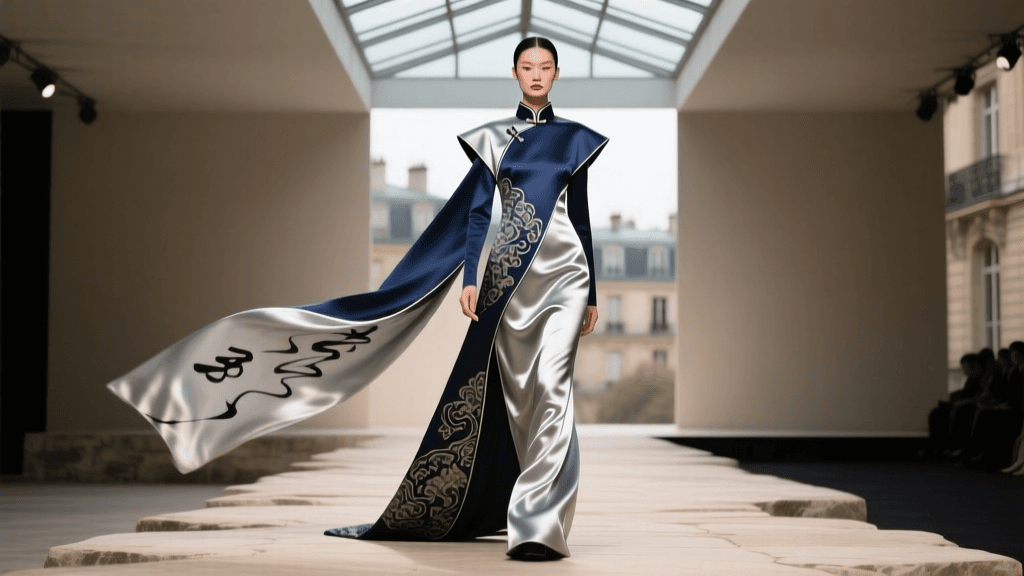
As the global fashion calendar turns to the Spring/Summer 2026 show season, the Palais de Tokyo and the Grand Palais are witnessing a profound sartorial shift. The Xin Zhongshi (New Chinese Style) movement, which began as a domestic streetwear phenomenon in the early 2020s, has matured into a formidable force on the international luxury stage. No longer relying on the superficial Chinoiserie tropes of the past, the 2026 Paris Fashion Week runways are defined by a deep, structural reverence for Asian traditions. Emerging and established Chinese designers are deconstructing ancient garment architectures and reweaving them with avant-garde sensibilities, creating a dialogue between heritage craftsmanship and futuristic minimalism.
This year, the focus has pivoted sharply toward textile innovation and historical accuracy. According to the Fédération de la Haute Couture et de la Mode, the 2026 schedule features a record number of Asian heritage-focused labels presenting in the official calendar. These designers are not merely applying traditional motifs to Western silhouettes; they are fundamentally altering the geometry of the garments, utilizing centuries-old weaving techniques to dictate the drape, volume, and movement of modern apparel.
Heritage Textiles Reengineered for the Modern Runway
The true stars of the 2026 Xin Zhongshi runway shows are the fabrics themselves. Designers have spent the last three years collaborating with rural artisans and textile engineers to adapt fragile, historically significant materials for the demands of contemporary luxury wardrobes.
Xiangyunsha (Gambiered Canton Gauze)
Originating from the Pearl River Delta, Xiangyunsha is a silk dyeing technique that involves treating silk with the juice of the Dioscorea cirrhosa tuber and sealing it with iron-rich river mud. Recognized for its leathery texture, waterproof qualities, and distinct rustling sound, this ancient craft is highlighted in UNESCO's Intangible Cultural Heritage registry as a vital component of Chinese sericulture. In 2026, Parisian runways showcased Xiangyunsha treated with new bio-resin finishes, allowing the traditionally stiff fabric to be draped into fluid, asymmetrical trench coats and wide-legged trousers that move effortlessly in the European climate. The deep, earthy black-brown hues of the mud-dyed silk provided a striking, grounded contrast to the neon and pastel palettes dominating other sectors of Paris Fashion Week.
Song Jin (Song Brocade)
Unlike the highly reflective and ornate Shu or Yun brocades, Song Jin is celebrated for its matte finish, intricate geometric patterns, and structural integrity. Historically used for mounting calligraphy and scrolls, Song Jin is being utilized in 2026 as a structural textile for tailored outerwear. Designers are employing the brocade's dense warp-and-weft architecture to create corsetry and sharp-shouldered blazers that hold their shape without the need for synthetic interfacing. The subtle, tonal patterns of the brocade offer a quiet luxury aesthetic that resonates deeply with the current global appetite for understated elegance.
The Mamianqun (Horse-Face Skirt) Evolution
The Mamianqun, characterized by its flat front and back panels with heavily pleated sides, has undergone a radical transformation for 2026. While the traditional horse-face skirt remains a staple of Hanfu enthusiasts, high-fashion interpretations this season feature modular pleating, heat-set synthetic blends, and adjustable hardware. Runway models showcased Mamianqun skirts with detachable panels and asymmetrical hems, bridging the gap between Ming Dynasty modesty and cyberpunk-inspired utility wear.
2026 Paris Runway: Standout Xin Zhongshi Collections
To understand the commercial and artistic impact of this movement, we must look at the specific labels driving the narrative this season. The following table outlines three pivotal designers who presented Xin Zhongshi collections during Paris Fashion Week 2026, highlighting their signature techniques and market positioning.
| Designer Label | Signature Heritage Technique | 2026 Runway Highlight | Estimated Retail Price (EUR) |
|---|---|---|---|
| Uma Wang (Collab with Suzhou Artisans) | Tea-stained raw silk & Song Brocade | Deconstructed monk robes with hidden pleating | 1,800 - 3,500 |
| Chen Peng (CP) | Xiangyunsha down-quilting | Oversized, mud-dyed puffer coats with lotus motifs | 2,200 - 4,100 |
| Ming Ma | Mamianqun pleating & jacquard weaving | Asymmetrical corset-skirt hybrids in metallic threads | 1,500 - 2,900 |
These price points reflect the immense labor costs associated with authentic heritage textiles. A single meter of genuine, sun-dried Xiangyunsha can take weeks to produce, and the 2026 luxury consumer is increasingly willing to pay a premium for verifiable, artisanal supply chains.
Curating Your Wardrobe: Styling and Maintenance
For collectors, buyers, and enthusiasts looking to integrate these runway trends into a contemporary wardrobe, understanding the styling and care of Xin Zhongshi garments is crucial. The 2026 aesthetic is defined by juxtaposition—pairing the ancient with the ultra-modern.
- The Proportion Play: When styling a traditional Mamianqun, avoid overly ornate tops. The 2026 runway standard dictates pairing the voluminous, pleated skirt with a hyper-minimalist, structured bodysuit or a cropped, boxy leather jacket. This anchors the historical weight of the skirt in modern urban reality.
- Textural Contrast: Xiangyunsha garments possess a unique, slightly coarse texture. Style them alongside soft, high-gauge cashmere or fluid cupro to highlight the tactile differences. The matte, leathery sheen of the gambiered gauze acts as a neutral, allowing it to be paired with almost any color palette.
- Hardware and Accessories: Move away from traditional jade pendants or silk tassels for everyday wear. The current exhibition trends favor pairing heritage silk garments with brutalist, oxidized silver jewelry or sleek, architectural leather footwear.
Care Protocols for Heritage Silks
Maintaining these garments requires specific knowledge, particularly for mud-dyed and brocade textiles. Xiangyunsha, while naturally water-resistant, should never be machine washed or dry-cleaned with harsh chemical solvents, as this strips the iron-rich mud coating. Instead, spot clean with a pH-neutral, silk-specific detergent and cold water, always drying in the shade to prevent the sun from further altering the dye chemistry. Song Brocade jackets should be stored flat or on wide, padded hangers to prevent the heavy warp threads from warping the shoulder silhouette over time.
Beyond the Runway: Parisian Exhibitions and Cultural Exchange
The influence of Xin Zhongshi extends far beyond the commercial runways of Paris Fashion Week. In 2026, the city's premier cultural institutions are hosting retrospectives and analytical exhibitions that contextualize these modern designs within their historical frameworks. The Victoria and Albert Museum's Asian collections have historically set the standard for textile preservation, and similar curatorial efforts are currently underway in Paris, focusing on the transition of the horse-face skirt from Ming Dynasty ceremonial wear to 21st-century global street style.
These exhibitions serve a dual purpose: they educate the Western fashion press on the profound technical complexity of Asian weaving traditions, and they provide a sanctuary for the preservation of garments that are too fragile for commercial production. For the serious collector, attending these 2026 exhibitions offers invaluable insight into the authentication of vintage textiles and the identification of genuine artisanal markers versus mass-produced imitations.
The Future of Asian Traditions in Global Fashion
The 2026 Paris Fashion Week season has definitively proven that Xin Zhongshi is not a fleeting trend, but a permanent structural pillar of the global luxury market. By refusing to compromise on the integrity of techniques like Xiangyunsha dyeing and Song Brocade weaving, Chinese designers are forcing the international fashion industry to engage with Asian traditions on their own terms. As we look toward the Autumn/Winter 2026 previews, the anticipation for how these heritage techniques will be adapted for cold-weather layering and sustainable textile innovations continues to grow, cementing the New Chinese Style as a vital, enduring voice in the global sartorial conversation.