Ojiya-Chijimi vs Mosi: 2026 Summer Asian Fabric Guide
The Quest for Breathability: East Asian Summer Textiles in 2026
As global temperatures continue to dictate wardrobe choices, the demand for naturally cooling, breathable traditional garments has surged. In the realm of East Asian heritage clothing, summer presents a unique challenge: maintaining the elegant silhouettes of the kimono, yukata, and hanbok while ensuring the wearer remains comfortable in high humidity. For centuries, artisans in Japan and South Korea have perfected the art of bast fiber textiles to solve this exact problem. Today, we are diving deep into two of the most prestigious summer fabrics in Asian traditions: Japan’s Ojiya-chijimi and South Korea’s Hansan Mosi.
Whether you are a bespoke tailor, a textile collector, or an enthusiast looking to commission a custom summer garment in 2026, understanding the structural differences, drape, and care requirements of these two legendary fabrics is essential. Both are recognized by the UNESCO Intangible Cultural Heritage registry for their complex, labor-intensive creation processes, yet they offer vastly different aesthetic and functional results.
Understanding Ojiya-Chijimi: Japan’s Masterful Crepe
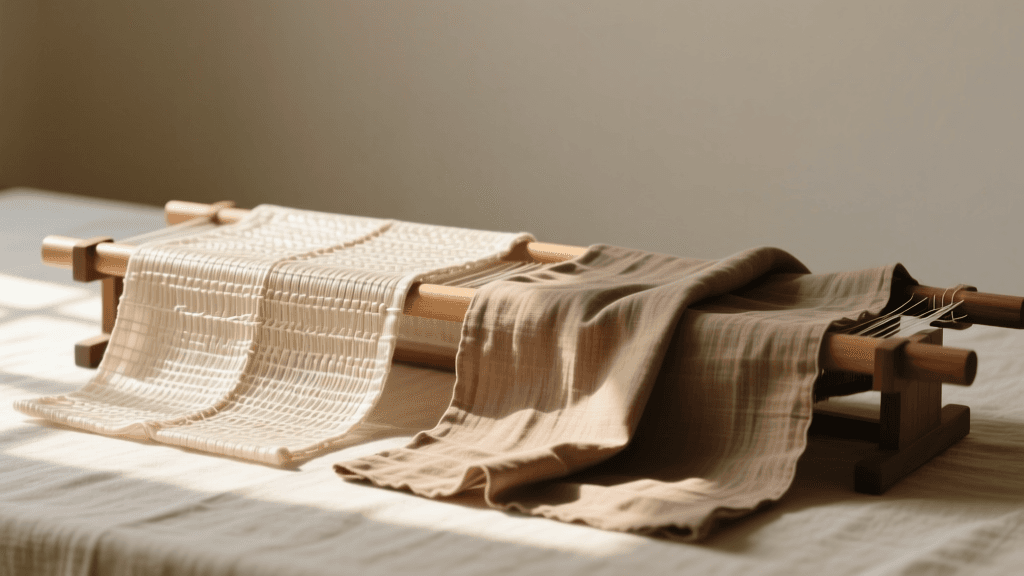
Oriinating from the Uonuma region of Niigata Prefecture, Ojiya-chijimi is a highly specialized crepe fabric made primarily from ramie (choma) or linen. The magic of Ojiya-chijimi lies in its post-weaving treatment. During the weaving process, the warp threads are kept under high tension, while the weft threads are woven loosely. Once the fabric is removed from the loom, it is washed in hot water and meticulously massaged by hand. This causes the weft threads to shrink and buckle, creating a distinctive, textured crinkle known as shibo.
The Snow Bleaching Tradition
Historically, the fabric underwent yukisarashi (snow bleaching), where the cloth was laid out on snowfields in late winter. The ozone generated by the sun melting the snow naturally bleached the fibers to a pristine, luminous white without the use of harsh chemicals. While modern 2026 production sometimes utilizes controlled ozone chambers to meet global demand, the highest-grade artisanal bolts still rely on the traditional snowfields of Niigata. The resulting fabric is incredibly lightweight, possesses a dry, cool hand-feel, and the crepe texture prevents the fabric from clinging to the skin, allowing for maximum air circulation.
The Brilliance of Korean Mosi (Ramie)
While Ojiya-chijimi is celebrated for its textured drape, Korean Mosi—specifically Hansan Mosi from the Seocheon region—is revered for its crispness, translucency, and structural integrity. Mosi is woven from the fibers of the ramie plant (Boehmeria nivea). The Hansan region’s unique microclimate, characterized by high humidity and fertile soil, produces ramie fibers that are exceptionally long, fine, and strong.
The Seven-Step Artisan Process
The production of authentic Hansan Mosi is a grueling seven-step process that includes harvesting, peeling, washing, splitting the fibers by hand using only the artisan's teeth and fingers, twisting, and finally weaving on a traditional loom. The resulting fabric is so fine that it is often described as 'dragon's wings' or 'cicada wings.' Unlike the soft, crinkled drape of Japanese chijimi, Mosi is inherently stiff and crisp. This makes it the absolute premier choice for traditional summer Hanbok, as the fabric's natural body supports the voluminous, structured silhouettes of the chima (skirt) and jeogori (jacket) without requiring heavy synthetic interfacings.
Head-to-Head Comparison: Ojiya-Chijimi vs. Hansan Mosi
To help you make an informed decision for your 2026 wardrobe commissions or textile acquisitions, we have compiled a detailed comparison of these two heritage fabrics.
| Feature | Ojiya-Chijimi (Japan) | Hansan Mosi (South Korea) |
|---|---|---|
| Primary Fiber | Ramie (Choma) or Linen | Ramie (Boehmeria nivea) |
| Weave Structure | Plain weave with post-weave crepe shrinkage | Tight plain weave, highly calibrated tension |
| Hand-Feel & Drape | Soft, textured, fluid, non-clinging | Crisp, smooth, stiff, structural |
| Cooling Mechanism | Crepe texture creates micro-air gaps against skin | High thermal conductivity and moisture wicking |
| Translucency | Opaque to semi-opaque | Highly translucent (in fine grades) |
| 2026 Avg. Price | $250 - $450 per yard (Artisan grade) | $120 - $280 per yard (Artisan grade) |
| Best Garment Use | Yukata, summer Kimono, Jinbei, flowy robes | Summer Hanbok, structured jackets, stiff collars |
Sourcing Authentic Textiles in 2026
The market for heritage Asian textiles has evolved significantly. As of 2026, the scarcity of master weavers has driven up the prices of genuine, hand-processed bast fibers. When sourcing these materials, buyers must be vigilant against synthetic blends or machine-made imitations that mimic the look but lack the thermoregulating properties of the natural fibers.
Sourcing Ojiya-Chijimi
For authentic Ojiya-chijimi, look for the official certification mark from the Ojiya Chijimi / Echigo Jofu Preservation Association. According to the Japan National Tourism Organization, the Niigata prefecture hosts specialized textile cooperatives that offer direct-to-consumer sales for international buyers. Expect to pay a premium for yukisarashi (snow-bleached) varieties, which are now produced in extremely limited micro-batches due to changing winter weather patterns affecting the snowfields.
Sourcing Hansan Mosi
Authentic Hansan Mosi can be sourced directly from the Hansan Mosi Preservation Society in Seocheon. The Korea Tourism Organization frequently highlights the Hansan Ramie Museum and its adjacent artisan market as the most reliable point of purchase. In 2026, many top-tier Mosi cooperatives have implemented NFC-embedded authenticity tags woven directly into the selvedge, allowing buyers to scan and verify the exact artisan, harvest year, and fiber grade via smartphone.
Tailoring and Construction Guidelines
Working with high-end bast fibers requires specialized tailoring techniques. Whether you are sewing at home or instructing a bespoke tailor, the construction method will dictate the longevity and drape of the final garment.
- Needle and Thread Selection: For both fabrics, use Microtex or sharp needles (size 60/8 or 70/10) to prevent snagging the tightly twisted fibers. Always use 100% silk thread or high-quality fine cotton thread. Polyester thread can cut through natural ramie fibers over time due to friction.
- Seam Finishes: Because ramie and linen are prone to fraying, French seams or flat-felled seams are mandatory for unlined summer garments like Yukata and Jinbei. For lined Hanbok, traditional bound seams using silk bias tape are preferred.
- Lining Choices: If lining a Mosi Hanbok jacket, avoid synthetic linings which will negate the fabric's cooling properties. Opt for lightweight silk habotai or ultra-fine organic cotton voile.
- Pre-washing: Ojiya-chijimi has already undergone shrinkage during the shibo process, but a gentle steam pressing is recommended before cutting. Mosi should be lightly misted and pressed with a warm iron on the reverse side to relax the fibers prior to pattern layout.
Care and Maintenance for Longevity
Proper care is essential to preserve the structural integrity and color of these heritage textiles. Bast fibers are naturally resistant to mold and bacteria, but they can become brittle if mishandled when wet.
Washing Instructions
Never machine wash or dry clean Ojiya-chijimi or high-grade Mosi, as the harsh agitation and chemicals will destroy the natural oils and structural crinkle. Instead, hand wash in cool water using a pH-neutral textile detergent. Do not wring or twist the fabric. Gently press the water out by rolling the garment in a clean, dry cotton towel.
Drying and Storage
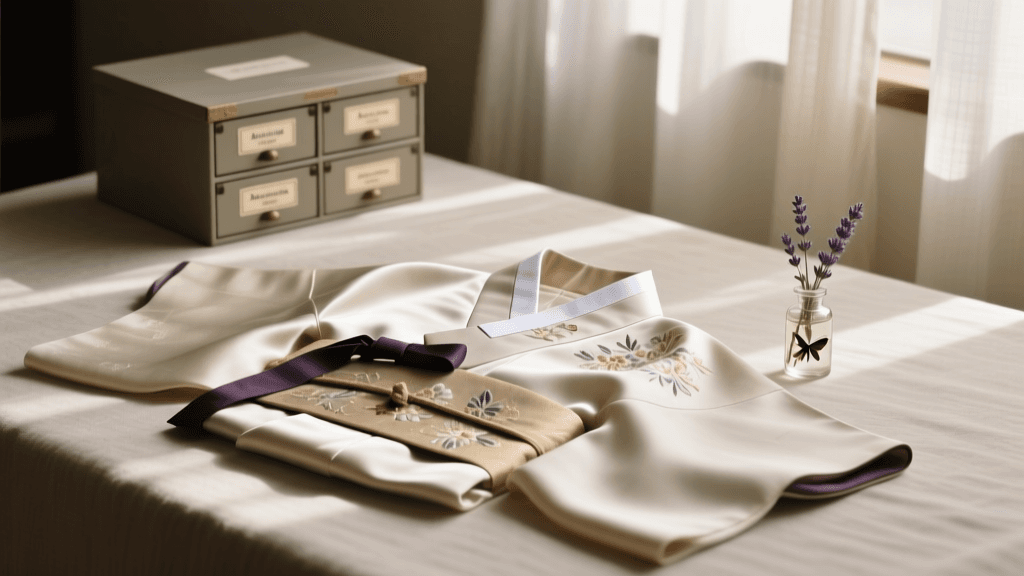
Dry the garments flat in the shade. Direct sunlight can degrade the natural fibers and cause yellowing over time. When ironing, use a medium heat setting with a pressing cloth; for Ojiya-chijimi, avoid heavy pressure to preserve the 3D crepe texture. For storage, never hang heavy garments on wire hangers, as the weight of the wet or dry fabric can distort the shoulder seams. Fold the garments using acid-free tissue paper to buffer the creases, and store them in a breathable cotton bag with natural cedar blocks to deter pests.
Conclusion: Choosing Your Summer Heritage Fabric
The choice between Ojiya-chijimi and Hansan Mosi ultimately comes down to the desired silhouette and the specific cultural garment you are creating. If you are commissioning a flowing, relaxed summer Yukata or a modern, draped resort-wear piece that requires a soft, non-clinging texture, Japan’s Ojiya-chijimi is unmatched in its tactile comfort and artisanal history. Conversely, if you are constructing a traditional summer Hanbok or a structured jacket that demands a crisp, translucent, and architectural drape, South Korea’s Hansan Mosi remains the undisputed pinnacle of bast fiber weaving.
By investing in these authentic, heritage textiles in 2026, you are not only acquiring a supremely functional summer wardrobe but also actively supporting the survival of centuries-old artisanal ecosystems. Treat these fabrics with the respect they command, and they will provide a lifetime of elegant, breathable wear.