Ojiya-chijimi Linen vs Ro Silk for Summer Kimono 2026
The Renaissance of Summer Kimono Textiles in 2026
As the global appreciation for traditional Asian garments continues to evolve in 2026, the demand for authentic, breathable summer textiles has reached new heights. For enthusiasts and collectors navigating the nuances of the natsumono (summer garment) season, choosing the right fabric is not merely a matter of aesthetics—it is a vital intersection of comfort, cultural heritage, and sartorial etiquette. When the humid months of the East Asian summer arrive, two heritage textiles dominate the conversation: the crisp, cooling embrace of Ojiya-chijimi linen (ramie) and the ethereal, whispering drape of Ro silk gauze.
Understanding the structural differences, historical significance, and modern market dynamics of these two fabrics is essential for anyone looking to curate a sophisticated summer kimono wardrobe in 2026. Drawing upon historical archives and contemporary weaving cooperatives, institutions like the Victoria and Albert Museum's Kimono Collection highlight how the evolution of these summer weaves reflects centuries of Japanese textile innovation designed specifically to combat intense heat while maintaining an air of refined elegance.
Ojiya-chijimi: The Crisp Breeze of Niigata
Ojiya-chijimi is a traditional linen-like textile originating from the Ojiya region of Niigata Prefecture. Despite being colloquially referred to as "linen" in Western markets, authentic Ojiya-chijimi is woven from choma (ramie), a bast fiber known for its exceptional tensile strength and natural cooling properties. The magic of this textile lies in its unique crepe-like texture, known as shibo.
The shibo effect is achieved through a highly specialized weaving process. While the warp threads are standard, the weft threads are spun with an intense over-twist. After the fabric is woven, it is subjected to a traditional hot-water bath and massaged by hand. This process causes the over-twisted weft threads to contract, creating a puckered, three-dimensional surface. This texture prevents the fabric from clinging to the skin, allowing air to circulate freely between the garment and the body—a crucial feature for surviving the sweltering Japanese summer.
In the 2026 market, authentic Ojiya-chijimi is considered a luxury investment. Due to an aging demographic of master weavers and the meticulous, time-consuming nature of the hand-rubbing finishing process, production remains strictly limited. A standard bolt (tan) of high-grade, hand-woven Ojiya-chijimi now commands prices ranging from ¥150,000 to ¥300,000. However, the durability of ramie means these garments often outlive their owners, becoming cherished heirlooms.
Ro Silk: The Whispering Gauze
While Ojiya-chijimi offers tactile relief through texture, Ro silk provides visual and physical lightness through its unique weave structure. Ro is a type of leno gauze weave where two warp threads are twisted around each other in a figure-eight pattern, locking the weft thread in place. This creates a fabric that is incredibly sheer, lightweight, and resistant to fraying despite its open structure.
The defining visual characteristic of Ro silk is the subtle, rhythmic stripe of transparency that appears across the fabric, typically every three to five rows. This openwork design not only facilitates maximum airflow but also creates a beautiful interplay of light and shadow. According to textile historians documented by The Metropolitan Museum of Art, the use of leno weaves in elite Asian summer garments dates back centuries, prized for their ability to showcase intricate under-layers without sacrificing modesty.
In 2026, weavers in the Tango and Kiryu regions have introduced subtle innovations to the traditional Ro weave. While purists still favor solid-colored, hand-dyed yuzen Ro, modern artisans are incorporating ultra-fine metallic threads and utilizing closed-loop, eco-friendly dyeing systems that reduce water waste. When shopping for Ro silk in 2026, buyers must be vigilant to distinguish between authentic hand-loomed leno gauze and mass-produced synthetic mock-gauzes, which lack the structural integrity and breathability of true silk.
Comparative Analysis: Ojiya-chijimi vs. Ro Silk
To help you make an informed decision for your 2026 summer wardrobe, we have compiled a comprehensive comparison of these two premier textiles.
| Feature | Ojiya-chijimi (Ramie/Linen) | Ro Silk (Leno Gauze) |
|---|---|---|
| Weave Structure | Plain weave with over-twisted weft | Leno weave with twisted warp pairs |
| Opacity | Opaque, crisp texture | Sheer, semi-transparent |
| Formality Level | Casual to Smart-Casual | Smart-Casual to Semi-Formal |
| 2026 Price Range (per tan) | ¥150,000 - ¥300,000 | ¥80,000 - ¥250,000 |
| Primary Care Method | Hand wash / Professional wet clean | Specialized dry cleaning only |
| Tactile Sensation | Cool, slightly rough, structured | Smooth, fluid, weightless |
Styling and Layering: The Art of the Juban
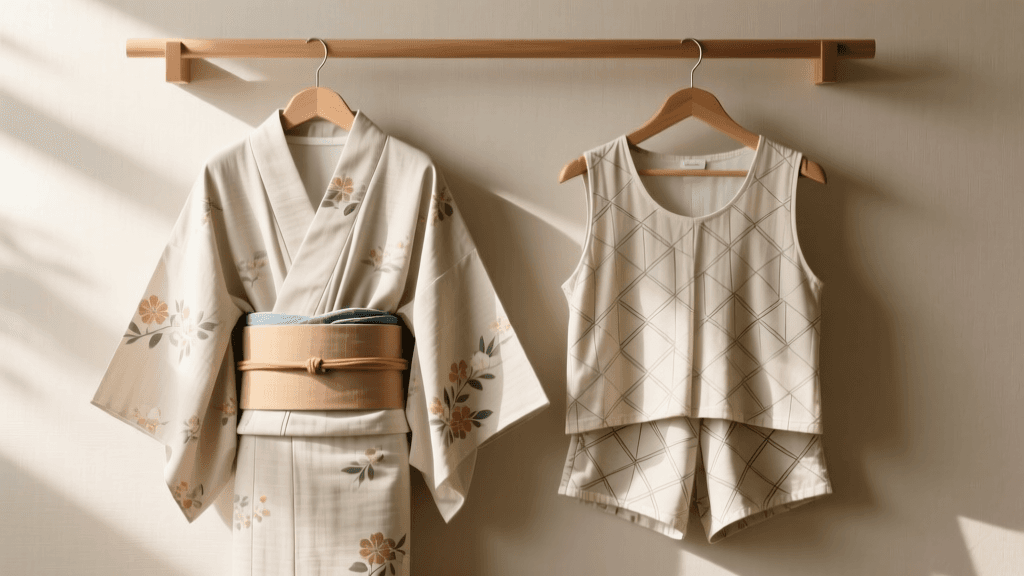
The choice between Ojiya-chijimi and Ro silk fundamentally dictates how you must style your undergarments, specifically the nagajuban (under-kimono). Because Ojiya-chijimi is entirely opaque, it offers tremendous freedom. You can pair it with a simple, breathable hemp or cotton hadajuban (undershirt) and a lightweight susoyoke (slip). The focus remains entirely on the bold, crisp patterns of the outer garment.
Ro silk, however, demands a more strategic approach due to its sheer nature. The nagajuban worn beneath a Ro kimono will be visible through the gauze weave. In 2026, the trend is to treat the undergarment as an integral part of the overall aesthetic. Many stylists recommend wearing a ro or sha juban in a complementary, muted tone to create a sense of depth and coolness. Alternatively, modern moisture-wicking synthetic blends designed specifically for traditional layering have gained popularity among professionals who need to commute in the summer heat, offering the illusion of silk without the perspiration risks.
Obi Pairings for Summer Textiles
Matching the correct obi (sash) to your summer kimono is a matter of balancing visual weight and seasonal appropriateness. Heavy, winter brocades are strictly forbidden in the summer months, as they visually and physically weigh down the outfit.
- For Ojiya-chijimi: The structured, casual nature of this ramie textile pairs beautifully with a hanhaba obi (half-width obi) featuring woven geometric patterns, or a lightweight nagoya obi made from hemp, ramie, or bashofu (banana fiber). The goal is to maintain a relaxed, breezy silhouette.
- For Ro Silk: To elevate the semi-formal elegance of Ro silk, opt for a fukuro obi woven in ra (another type of gauze weave) or a summer nishiki with openwork designs. The obi should feature cool, seasonal motifs such as flowing water, wind chimes (furin), or morning glories, rendered in translucent threads or gold leaf that catches the summer sunlight.
Expert Care, Washing, and Storage
Proper maintenance is critical to preserving the structural integrity of these specialized weaves. Ojiya-chijimi is remarkably resilient. The traditional practice of arai-hari (taking the garment apart, washing the flat panels, and re-sewing) has been modernized in 2026. Today, high-end Ojiya-chijimi can often be gently hand-washed in cool water with a neutral pH detergent, or professionally wet-cleaned by specialists who understand how to maintain the shibo tension. Never wring or twist the fabric; instead, roll it in a towel to absorb excess moisture and dry it flat in the shade.
Ro silk requires a much more delicate touch. Water can distort the leno weave and cause the silk fibers to lose their luster and structural tension. Ro garments must be entrusted to professional kimono cleaners who utilize specialized, gentle solvents. When storing either textile for the winter, ensure they are wrapped in acid-free tatou paper and placed in a well-ventilated drawer with natural camphor to deter pests, avoiding plastic covers that can trap moisture and lead to mildew.
Sustainability and Ethical Sourcing in 2026
A major conversation in the 2026 Asian textile market revolves around sustainability. The cultivation of ramie for Ojiya-chijimi in Niigata has seen a shift toward regenerative agricultural practices, ensuring soil health and reducing water usage. Similarly, the sericulture farms supplying the Tango silk weavers are increasingly adopting ethical, cruelty-free silk harvesting methods and utilizing botanical dyes derived from agricultural byproducts. For the conscious consumer, seeking out the official UNESCO Intangible Cultural Heritage certifications and regional cooperative stamps ensures that your purchase supports both the survival of ancient techniques and sustainable local economies.
Conclusion
Choosing between Ojiya-chijimi and Ro silk is not about determining which fabric is superior, but rather which textile best aligns with your lifestyle, the formality of the occasion, and your personal aesthetic. Ojiya-chijimi offers a rustic, tactile coolness perfect for daytime outings, festivals, and casual gatherings. Ro silk provides an ethereal, sophisticated drape ideal for tea ceremonies, theater visits, and semi-formal summer dinners. By understanding the intricate weaving techniques and proper care protocols of these heritage fabrics, you can curate a 2026 summer wardrobe that honors Asian traditions while providing unparalleled comfort and elegance.