2026 Ojibwe Jingle Dress Regalia: Sourcing Cones & Fabrics
The Enduring Medicine of the Ziibaadi'igan in 2026
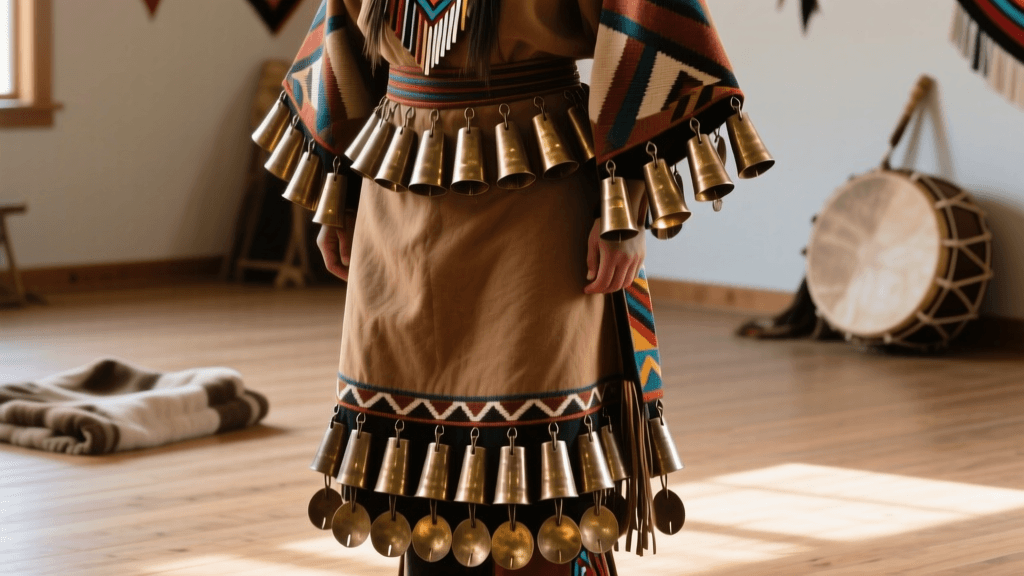
The Jingle Dress, known in the Ojibwe language as the ziibaadi'igan, is far more than a garment; it is a profound spiritual medicine, a symbol of healing, and a cornerstone of Anishinaabe cultural identity. As we navigate the 2026 powwow season—from the massive Gathering of Nations in Albuquerque to the vibrant local powwows across the Great Lakes and the Northern Plains—the sight and sound of the Jingle Dress remain a powerful testament to Indigenous resilience. For dancers, seamstresses, and regalia makers, preparing for the 2026 circuit requires a deep understanding of both traditional protocols and modern material innovations.
Originating among the Ojibwe (Anishinaabe) people in the early 20th century, the Jingle Dress is historically tied to visions of healing during times of widespread illness. According to oral histories documented by institutions like the Smithsonian National Museum of the American Indian, the dress was revealed in a dream to a medicine man whose granddaughter was gravely ill. The rhythmic, rain-like sound of the metal cones striking one another is believed to carry prayers to the Creator, promoting physical and spiritual healing. Today, the Jingle Dress dance has evolved into a highly competitive powwow category, yet its foundational purpose as a healing dress remains unchanged.
Creating or commissioning a Jingle Dress for the 2026 season is a meticulous process that balances historical authenticity with the practical demands of contemporary dance styles, such as the fast-paced sidestep. This comprehensive guide will walk you through sourcing authentic ziibaadi'igan cones, selecting the right textiles, and understanding the precise measurements required for a competition-ready regalia.
Sourcing Authentic Metal Cones (Ziibaadi'iganan)
The defining feature of the Jingle Dress is the cones. The sound they produce is often described as the sound of rain on a tin roof, a soothing and rhythmic frequency that grounds the dancer and the audience. In 2026, the market is flooded with imported, mass-produced alternatives, making it crucial for regalia makers to know how to identify and source high-quality, authentic metal cones.
The Problem with Modern Knockoffs
Many commercial vendors now sell stamped aluminum or even hard plastic cones. While these may be cheaper, they produce a high-pitched, tinny clatter or a dull clack that lacks the deep, resonant chime of traditional rolled tin or steel. Furthermore, lightweight alloy cones often dent easily and fail to withstand the rigorous movements of the contemporary sidestep dance. For a dress meant to carry medicine, the integrity of the materials is paramount.
2026 Material Comparison Chart
When budgeting for your regalia this year, consider the following breakdown of cone materials available from Native-owned and specialized powwow suppliers:
| Material Type | Sound Profile | Weight (per 100 cones) | 2026 Avg. Cost | Durability |
|---|---|---|---|---|
| Hand-Rolled Tin/Steel | Bright, crisp, resonant rain | 1.2 lbs | $75.00 - $90.00 | Exceptional |
| Machine-Stamped Alloy | Muted, softer chime | 0.8 lbs | $45.00 - $55.00 | Moderate |
| Plastic/Acrylic | Dull, hollow clack | 0.3 lbs | $15.00 - $25.00 | Poor |
For competition dancers and those dancing for healing, investing in hand-rolled steel or heavy-gauge tin is highly recommended. These cones are typically rolled from flat metal sheets and crimped at the top, allowing them to nest slightly and produce the signature cascading sound.
Selecting Fabrics for the 2026 Powwow Season
The base of the Jingle Dress must be durable enough to support the weight of hundreds of metal cones, yet breathable enough to keep the dancer comfortable during sweltering summer powwows. In 2026, textile technology and traditional preferences have merged to offer excellent options for regalia makers.
Traditional Broadcloth vs. Modern Blends
Historically, heavy cotton broadcloth or wool blends were the standard. While wool remains a premium choice for Northern Traditional styles and cooler weather, it is often too heavy for the high-energy contemporary Jingle Dress. Today, high-thread-count cotton-polyester blends are the gold standard. They offer the structural integrity needed to hold the cones without tearing, while providing moisture-wicking properties that are essential for July and August powwows.
When sourcing fabric, look for 'quilter's weight' or 'upholstery weight' cotton blends. In 2026, expect to pay between $14 and $22 per yard for high-quality, colorfast broadcloth. It is vital to pre-wash and press all fabrics before cutting to prevent shrinkage, which can warp the carefully measured tier lines where the cones will be attached.
Ribbon Appliqué and Colorways
Ribbon work is an integral part of Anishinaabe textile arts, and the Jingle Dress often features intricate appliqué on the yoke, sleeves, and hem. The Ojibwe People's Dictionary and associated cultural archives highlight the historical significance of specific color combinations and floral motifs in Ojibwe beadwork and ribbon work. For the 2026 season, there is a strong trend toward vibrant, high-contrast color blocking—such as deep jewel tones (emerald, sapphire, amethyst) paired with stark white or black ribbon to make the geometric and floral patterns pop from a distance in the dance arena.
Use 100% polyester satin ribbons for the appliqué, as they resist fraying and hold a crisp edge when ironed. Avoid wire-edged ribbons, as the wire can poke through the fabric and scratch the dancer or snag on other regalia.
Measurements, Placement, and Construction
The placement of the cones is not merely aesthetic; it is a precise science that dictates how the dress moves and sounds. A standard adult Jingle Dress can feature anywhere from 150 to 365 cones, with the traditional number being 365 (one for each day of the year, representing continuous prayer). However, many contemporary dancers opt for 200 to 250 cones to reduce the overall weight of the garment, which can exceed 15 pounds when fully loaded.
Calculating Cone Spacing
Cones are typically arranged in horizontal rows or V-shaped chevrons across the skirt and bodice. To achieve the correct sound, the cones must be close enough to strike one another during the sidestep, but far enough apart that they do not tangle.
- Vertical Spacing: Rows should be spaced exactly 2.5 to 3 inches apart. This allows the cone from the row above to fall into the space of the row below, creating a cascading effect.
- Horizontal Spacing: Within a row, cones should be spaced 1.5 to 2 inches apart.
- Tying the Cones: Never use standard cotton thread to tie the cones, as the weight and friction will snap it mid-dance. In 2026, the standard is heavy-duty, waxed upholstery thread or braided sinew. Each cone should be tied with a secure double-knot, leaving a small loop of ribbon or fabric at the top to act as a hinge, allowing the cone to swing freely.
The Yoke and Bodice Construction
The yoke of the dress bears the brunt of the weight. It is highly recommended to interface the yoke fabric with a heavy-duty canvas or denim lining. This hidden structural layer prevents the neckline from stretching out and ensures the dress hangs properly on the dancer's shoulders. Many seamstresses also incorporate a hidden cotton broadcloth sash or belt inside the dress to anchor the skirt's weight to the dancer's waist, relieving pressure from the shoulders and neck.
Caring for Your Jingle Dress Regalia
A Jingle Dress is a sacred item and a significant financial and emotional investment. Proper care ensures it lasts for generations. After every powwow, the dress should be hung in a well-ventilated area to air out before being stored. Never fold a Jingle Dress, as this will crush the cones, permanently denting them and ruining their acoustic properties.
Store the dress on a heavy-duty, padded hanger inside a breathable cotton garment bag. Avoid plastic bags, which trap moisture and can cause the metal cones to rust or the fabric to mildew. If a cone becomes dented during travel, it can often be carefully reshaped using a smooth, rounded metal rod, though prevention through proper storage is always the best approach. Periodically check the sinew and thread ties, replacing any that show signs of fraying before the next Grand Entry.
Conclusion: Honoring the Tradition
As the 2026 powwow season unfolds, the Jingle Dress will continue to captivate audiences and heal communities. Whether you are a first-time dancer receiving your dress as a gift, a seasoned competitor refining your sidestep, or a dedicated seamstress stitching late into the night, the creation of the ziibaadi'igan is an act of cultural preservation. By sourcing high-quality materials, respecting traditional measurements, and understanding the deep spiritual roots of the garment, you ensure that the rain-like song of the jingle cones will echo across the powwow grounds for generations to come.