Jingle Dress Regalia: 2026 Sourcing & Assembly Guide
The Healing Origins of the Jingle Dress
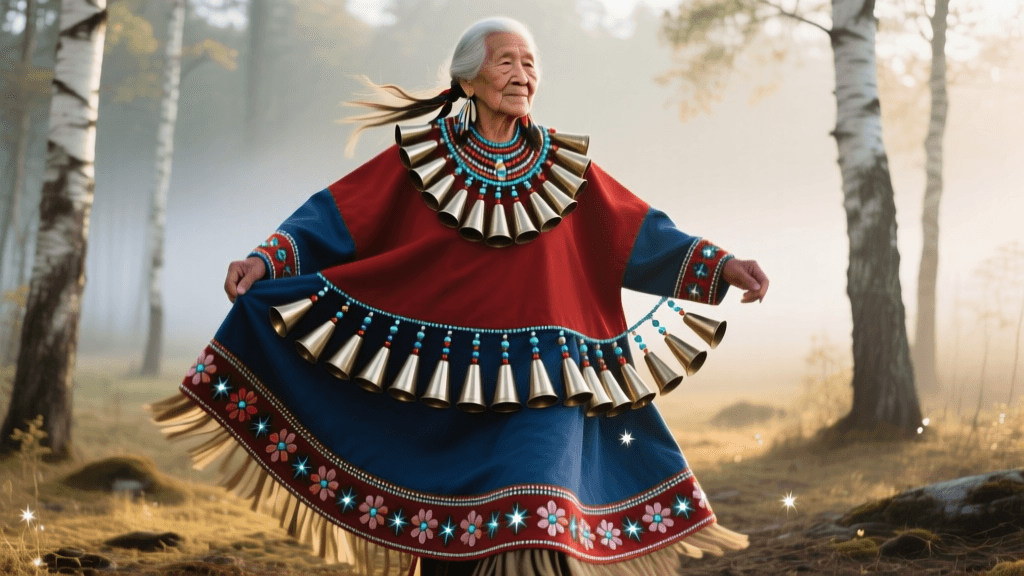
The Jingle Dress, widely revered as a prayer dress, is one of the most culturally significant and visually striking garments in Native American powwow culture. Originating among the Ojibwe (Anishinaabe) people in the early 20th century, the dress and its accompanying dance were born from a vision of healing. According to oral traditions, a medicine man dreamed of a dress adorned with metal cones that would cure his ailing granddaughter. When the dress was created and the girl danced in it, she was healed. Today, the Jingle Dress dance is performed across North America as a powerful prayer for the health and well-being of communities, families, and individuals.
For Indigenous artisans, dancers, and supportive allies looking to understand or create these garments, the process is deeply intertwined with cultural respect, historical accuracy, and meticulous craftsmanship. As we navigate the 2026 powwow season, the demand for authentic, ethically sourced materials has never been higher. This comprehensive guide details how to source premium materials, construct the garment, and honor the protocols surrounding this sacred regalia.
2026 Material Sourcing Guide for Regalia Makers
Creating an authentic Jingle Dress requires specific, high-quality materials. The global supply chain for specialty textiles and beadwork has shifted significantly in 2026, making it essential for makers to know exactly where and how to source their components. Supporting Native-owned businesses and reputable traders is not just an ethical choice; it ensures the survival of Indigenous economies and guarantees the authenticity of your materials.
Metal Jingle Cones (Zhiishiigwan)
The defining feature of the regalia is the jingle cone, traditionally made from rolled tin or copper. The sound produced by authentic rolled cones is a soft, rhythmic, and rain-like shushing that is essential to the healing nature of the dance. In 2026, authentic rolled tin cones typically cost between $0.18 and $0.30 each, depending on the metal gauge and the artisan.
What to Avoid: Steer clear of stamped, mass-produced aluminum cones often sold by overseas fast-fashion or generic craft retailers. These cones produce a harsh, clanking noise and lack the spiritual and historical resonance of hand-rolled or traditionally manufactured tin. Furthermore, under the Indian Arts and Crafts Board guidelines, misrepresenting mass-produced imported items as Native-made is a federal offense. Always purchase cones directly from Native artisans or verified Native-owned bead shops.
Wool Broadcloth and Cotton Calico
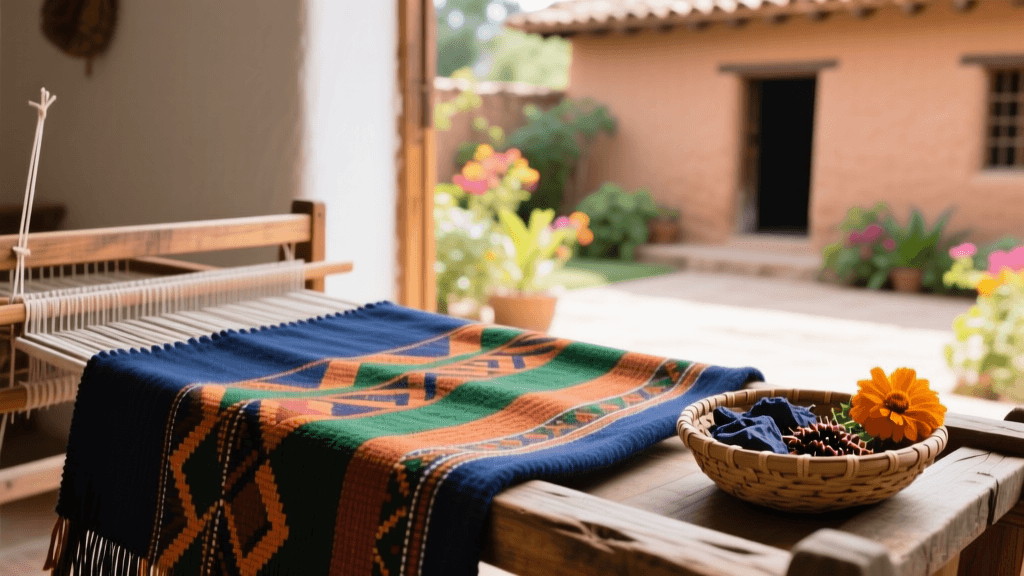
The foundation of a traditional Jingle Dress is typically made from high-quality wool broadcloth, with cotton calico used for the lining and lighter summer variations. Melton wool broadcloth remains the gold standard due to its durability, weight, and beautiful drape, which allows the dress to move gracefully during the dance's footwork. In 2026, premium Melton wool broadcloth ranges from $45 to $65 per yard. Colors like deep navy, forest green, burgundy, and black are traditional, though contemporary dancers often incorporate vibrant purples and reds.
Ribbon appliqué is frequently used to decorate the hems, yokes, and sleeves. Silk or high-grade rayon ribbons are preferred for their sheen and longevity. When sourcing ribbons, look for double-faced satin finishes to ensure the appliqué looks pristine from every angle on the dance arbor.
Czech Glass Beads and Specialty Thread
Beadwork on the yoke, belt, and accessories is a hallmark of the Jingle Dress. Czech glass beads, particularly those manufactured by Preciosa, remain the industry standard in 2026 due to their uniform size and brilliant color palette. For the intricate floral patterns typical of Ojibwe and Great Lakes beadwork, size 13/0 or 11/0 Charlotte cut beads are ideal. The single cut facet on a Charlotte bead catches the arena lights, adding a subtle sparkle to the regalia.
For threading, avoid standard cotton or silk threads which can snap under the weight and movement of the beads. Instead, use Nymo size D or Fireline braided beading thread (6 lb or 8 lb test), which offer the tensile strength required for powwow regalia that must withstand vigorous movement.
Sizing and Measurement Chart for Jingle Dresses
Proper sizing is crucial not only for the fit of the dancer but for calculating the exact number of cones and yardage required. The cones are traditionally arranged in rows across the bodice, sleeves, and skirt. Below is a standard measurement and material estimation chart for adult female dancers in 2026.
| Dress Size (US) | Estimated Broadcloth Yardage | Approximate Cone Count | Estimated Cone Weight |
|---|---|---|---|
| Small (4-6) | 4.5 - 5.5 Yards | 250 - 300 Cones | 2.5 - 3.0 lbs |
| Medium (8-10) | 5.5 - 6.5 Yards | 300 - 360 Cones | 3.0 - 3.6 lbs |
| Large (12-14) | 6.5 - 7.5 Yards | 360 - 420 Cones | 3.6 - 4.2 lbs |
| X-Large (16-18) | 7.5 - 9.0 Yards | 420 - 500 Cones | 4.2 - 5.0 lbs |
Note: The total weight of the dress can exceed 10 pounds when factoring in the heavy wool, beadwork, and belt. Dancers must build core and leg strength to perform the low, grounded footwork required while carrying this weight.
Assembly and Construction Techniques
Attaching the cones is a time-intensive process that requires patience and precision. The cones are never sewn directly flat against the fabric; they must hang freely to strike one another and create the signature sound.
- Preparing the Cording: Use heavy-duty waxed sinew, leather thong, or heavy nylon cord. Cut the cord into uniform lengths, typically 3 to 4 inches, depending on the desired drop length of the cones.
- Threading the Cones: Pass the cord through the top hole of the rolled cone. Secure it with a sturdy knot or a small crimp bead at the top inside of the cone so it does not slip through.
- Spacing and Placement: Cones are traditionally applied in horizontal rows. The spacing between each cone should be roughly 1 to 1.5 inches apart, and the rows should be spaced 2 to 3 inches apart vertically. This spacing ensures the cones have enough room to move and jingle without tangling.
- Securing to the Dress: The cords are sewn securely to the broadcloth using a heavy-duty upholstery needle and waxed nylon thread. Reinforce the back of the fabric with a lightweight canvas interfacing to prevent the heavy cones from tearing through the wool over time.
Cultural Protocols and Powwow Etiquette
Understanding the cultural weight of the Jingle Dress is just as important as the physical construction of the garment. The Smithsonian National Museum of the American Indian emphasizes that powwow regalia is not a costume; it is a deeply personal and spiritual expression of Indigenous identity, history, and community.
For non-Native individuals, it is vital to recognize that the Jingle Dress is a sacred item. While allies can support Native artisans by purchasing ethically sourced materials, funding Native beadworkers, and attending powwows as respectful spectators, the creation and dancing of the Jingle Dress is reserved for Indigenous women and girls. Appropriation of this regalia for fashion, Halloween, or non-ceremonial performances is highly offensive and violates the spiritual integrity of the dance.
Furthermore, the patterns used in the beadwork and ribbon appliqué often belong to specific families or clans. In 2026, the Indigenous arts community continues to advocate for the protection of these intellectual and cultural properties. When commissioning a dress or purchasing beadwork, always work directly with the artist and respect their creative boundaries and family traditions.
Supporting Native Artisans in 2026
The economic impact of regalia making is significant within Native communities. The National Endowment for the Arts Heritage Fellowships frequently recognizes master Native beadworkers and textile artists, highlighting the immense skill and cultural preservation involved in these crafts. When sourcing your materials or commissioning a complete Jingle Dress, prioritize Native-owned enterprises. Whether you are buying hand-rolled cones from an artisan in Minnesota, or purchasing floral beadwork from a creator in Manitoba, your financial support directly sustains the transmission of these vital cultural practices to the next generation. By adhering to ethical sourcing, respecting cultural protocols, and honoring the healing origins of the garment, we ensure the Jingle Dress continues to resonate powerfully across the Americas for generations to come.