LDS Temple Garments in 2026: Symbolism, Styles, and Significance
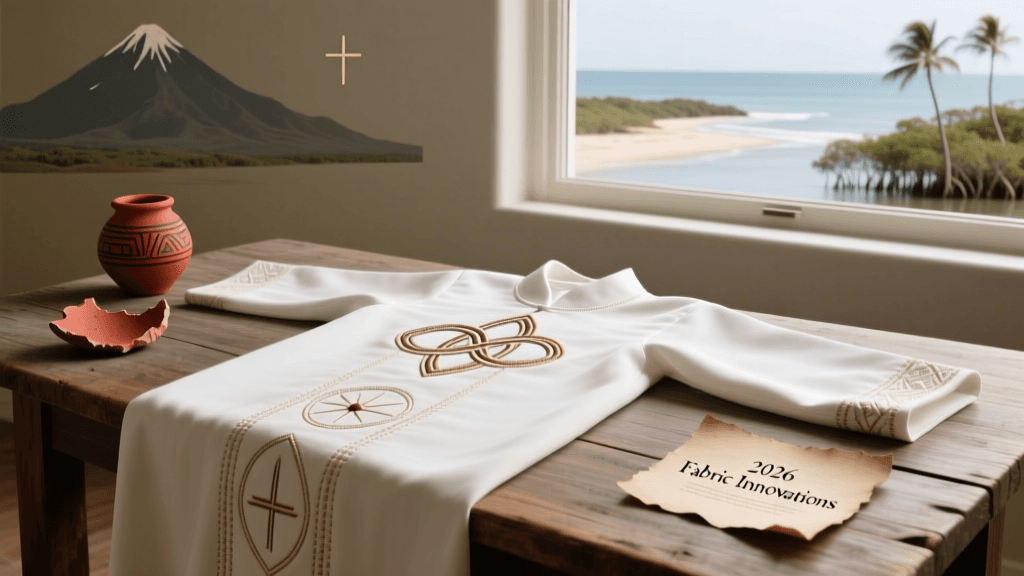
The Sacred Intersection of Faith and Fabric
For members of The Church of Jesus Christ of Latter-day Saints, the temple garment represents far more than a simple undergarment; it is a profound, deeply personal symbol of faith, covenants, and spiritual devotion. As we navigate the cultural and religious landscapes of the Americas in 2026, understanding the significance of LDS temple garments provides a unique window into how universal religious mandates intersect with diverse regional identities. From the high deserts of the American Southwest to the humid rainforests of Central and South America, the garment serves as a unifying spiritual anchor for millions of devotees.
Often misunderstood by those outside the faith, the temple garment is officially described by the Church as a reminder of covenants made during sacred temple ordinances. According to the official Gospel Topics essay on Temple Garments, the clothing is treated with respect and serves as a private, outward expression of an inward commitment to follow Jesus Christ. In 2026, as the Church's demographic center of gravity continues to shift heavily toward Latin America and indigenous communities across the Western Hemisphere, the cultural significance of this sacred apparel has never been more vital to explore.
Theological Foundations and Sacred Covenants
To understand the cultural weight of the garment, one must first understand its theological purpose. Members receive the garment for the first time when they participate in the temple endowment ordinance. This ceremony introduces sacred covenants—promises made between the individual and God. The garment is subsequently worn day and night as a tangible, physical reminder of these promises.
Unlike religious vestments worn by clergy during public services (such as the Catholic cassock or Jewish tallit), the LDS temple garment is worn beneath everyday clothing by the lay membership. This democratizes the sacred, ensuring that every endowed member, regardless of their social standing, geographic location, or indigenous heritage, carries the same spiritual reminders against their skin. The Church Newsroom explicitly clarifies that the garment is not considered 'magic' or protective in a superstitious sense, but rather functions similarly to a wedding ring: a constant, intimate reminder of a sacred commitment.
Decoding the Symbolism: Marks and Meanings
Historically and academically, the garment features specific woven or embroidered marks that carry symbolic weight. While the exact ritual context of these marks is kept strictly private by faithful members, their general symbolic meanings have been documented in academic resources like the Encyclopedia of Mormonism. These symbols are meant to direct the wearer's mind toward spiritual truths:
- The Compass: Symbolizes an undeviating course leading to eternal life, and the importance of keeping one's desires within proper bounds.
- The Square: Represents exactness, honor, and integrity in all personal and professional dealings.
- The Navel Mark: Often interpreted as a reminder of the need for continuous spiritual nourishment and the eternal nature of the soul.
- The Knee Mark: Symbolizes the importance of prayer and the act of bowing the knee in reverence to God.
In 2026, these marks are seamlessly integrated into the fabric of modern garments, ensuring they remain durable and comfortable for active lifestyles while preserving their sacred intent. The transition from the 19th-century union-suit style to the modern, tailored styles available today highlights a continuous effort to balance sacred tradition with practical, everyday wearability.
2026 Fabric Innovations and Global Adaptations
One of the most remarkable developments in recent years is the Church's responsiveness to the diverse climates of the Americas. A member living in the freezing winters of Patagonia has vastly different textile needs than a member in the sweltering humidity of the Amazon basin or the tropical coasts of Mexico. As of 2026, Church Distribution Services offers a highly specialized array of fabrics designed to accommodate these geographic extremes, ensuring that wearing the garment is a spiritual blessing rather than a physical burden.
| Fabric Type (2026 Offerings) | Material Composition | Ideal Climate / Region | Key Features & Benefits |
|---|---|---|---|
| Classic Cotton | 100% Combed Cotton | Temperate (e.g., Utah, Andes Highlands) | Highly breathable, durable, traditional feel, excellent for sensitive skin. |
| Modal Blend | Modal / Spandex Blend | Variable / Urban Commuting | Exceptionally soft, resists shrinking, drapes well under modern professional attire. |
| Stretch Mesh | Nylon / Spandex Mesh | Humid / Tropical (e.g., Central America) | Lightweight, rapid moisture-wicking, dries quickly after washing or sweating. |
| Lightweight Cotton | Thin Cotton / Poly Blend | Hot / Arid (e.g., Sonoran Desert, Brazil) | Ultra-thin weave, maximizes airflow, prevents heat exhaustion in extreme sun. |
These 2026 textile innovations reflect a deep institutional understanding of the Americas' diverse biomes. For Indigenous communities in tropical lowlands, the introduction of advanced moisture-wicking stretch mesh has been revolutionary, allowing members to maintain their religious commitments without compromising their health or comfort in intense heat.
Cultural Intersections: Indigenous and Latin American Contexts
The Americas are home to a rich tapestry of Indigenous cultures and Latin American traditions, many of which have their own historical modesty standards and traditional garments. When Indigenous peoples—such as the Navajo (Diné) in North America or the Maya in Mesoamerica—embrace the LDS faith, the temple garment introduces a fascinating layer of cultural synthesis.
For many Indigenous Latter-day Saints, the universal nature of the garment fosters a profound sense of equality and global belonging. Beneath the vibrant, culturally specific outer garments worn during traditional ceremonies or daily life, the temple garment remains a constant, unifying equalizer. In regions like the highlands of Guatemala, where traditional traje is a vital expression of indigenous identity, members seamlessly integrate the modesty requirements of the temple garment with their ancestral dress. The Church's 2026 guidelines continue to emphasize that the garment should be worn beneath outer clothing, allowing members to fully participate in and celebrate their indigenous heritage, festivals, and community leadership roles without compromising their religious covenants.
Furthermore, in Latin America, where family structures and community gatherings are central to daily life, the garment serves as a quiet, personal anchor. It allows members to navigate bustling urban centers like Mexico City or São Paulo while maintaining a sacred, private boundary that keeps them grounded in their faith amidst the demands of modern metropolitan life.
Practical Guidance: Purchasing and Wearing in 2026
For endowed members, acquiring garments in 2026 is a streamlined process managed exclusively through the Church's Distribution Services. Unlike commercial clothing, temple garments are not sold in standard retail stores. They must be ordered online via the Church's official distribution portal or purchased in person at local distribution centers located near temples and major meetinghouses.
Key considerations for 2026 purchasing:
- Measurement Accuracy: The 2026 online portal features updated, interactive sizing guides. Because the garment must fit properly to serve its purpose without causing discomfort, members are encouraged to use the digital measuring tools or visit a local center for professional fitting.
- Specialty Accommodations: The Church now offers an expanded range of maternity garments, adaptive garments for members with physical disabilities, and specialized youth-length styles for young adults transitioning into full-time missionary service.
- Swimwear and Athletics: For members participating in water-based activities or competitive sports, Distribution offers approved swimwear and athletic undershirts that maintain the symbolic marks while utilizing modern, high-performance, chlorine-resistant fabrics.
Conclusion
The LDS temple garment is a profound testament to the intersection of faith, material culture, and personal devotion. As of 2026, the ongoing evolution of garment textiles ensures that this sacred clothing is accessible, comfortable, and respectful of the diverse climates and cultures across the Americas. Whether worn beneath the business suits of North American cities, the traditional woven textiles of Indigenous communities, or the light summer clothing of Latin American coasts, the garment remains a powerful, unifying symbol of covenants and spiritual dedication.