Crafting Jingle Dress Regalia: 2026 Material Sourcing Guide
The Enduring Legacy of the Jingle Dress in 2026
The Jingle Dress dance is one of the most profound and visually captivating traditions on the North American powwow trail. Originating from the Ojibwe (Chippewa) Nation, this healing dance is characterized by the distinct, rhythmic sound of metal cones striking one another as the dancer moves in a graceful, side-to-side step. As we navigate the 2026 powwow season, the demand for authentic, high-quality regalia materials has surged, driven by a new generation of Indigenous dancers who are deeply committed to preserving their cultural heritage while embracing modern crafting techniques.
Creating a jingle dress is not merely a sewing project; it is a spiritual endeavor. According to oral histories documented by institutions like the Smithsonian National Museum of the American Indian, the dress originated in the early 20th century, often tied to the 1918 influenza pandemic, when a medicine man received a vision of a dress that could heal his people. Today, the jingle dress remains a powerful symbol of resilience, prayer, and medicine. For artisans and dancers preparing for the 2026 competition and traditional powwow circuits, understanding how to source, select, and construct these garments is essential.
Essential Materials for Authentic Regalia
The foundation of any jingle dress lies in its materials. In 2026, the supply chain for Indigenous crafting materials has evolved, with a strong emphasis on supporting Native-owned enterprises and ethical sourcing. Here is a breakdown of the core components required for a traditional jingle dress.
Metal Jingles: The Voice of the Dress
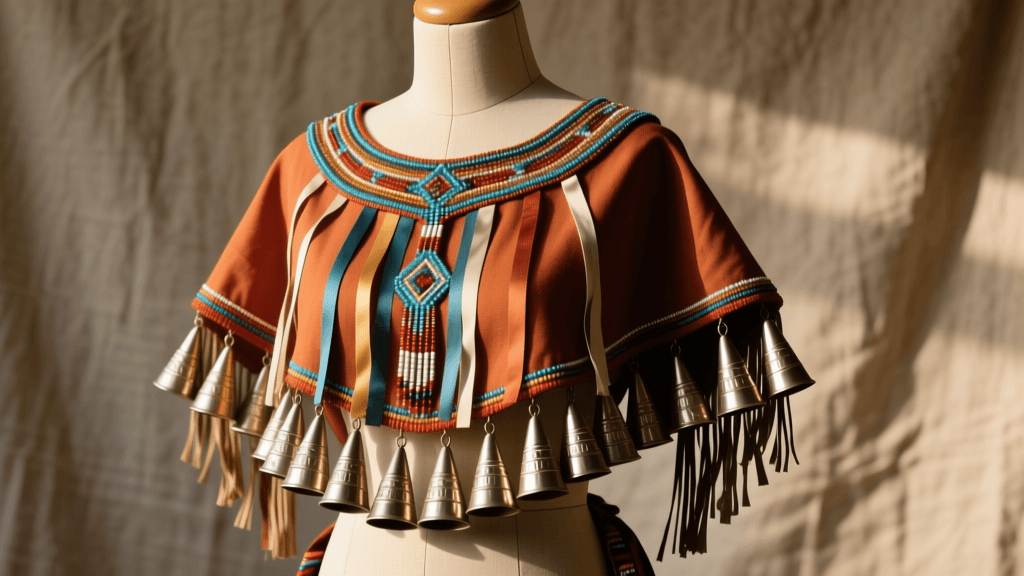
Historically, jingles were crafted by rolling the lids of snuff cans into small, conical tubes. While some traditionalists still roll their own cones from raw tin sheets, the vast majority of dancers in 2026 purchase pre-stamped metal jingles. The two primary metals used are tin and copper.
- Stamped Tin Cones: Tin remains the most popular choice due to its lightweight nature and bright, high-pitched sound. A standard adult dress requires between 300 and 400 cones, often symbolizing the 365 days of the year. In 2026, tin cones are highly affordable but require careful storage to prevent oxidation.
- Copper Jingles: Copper produces a deeper, more resonant pitch and offers a stunning visual contrast against dark fabrics. Due to global metal market fluctuations in 2026, copper jingles are considered a premium investment, often reserved for competition regalia or special ceremonial dresses.
Base Fabrics: Broadcloth and Calico
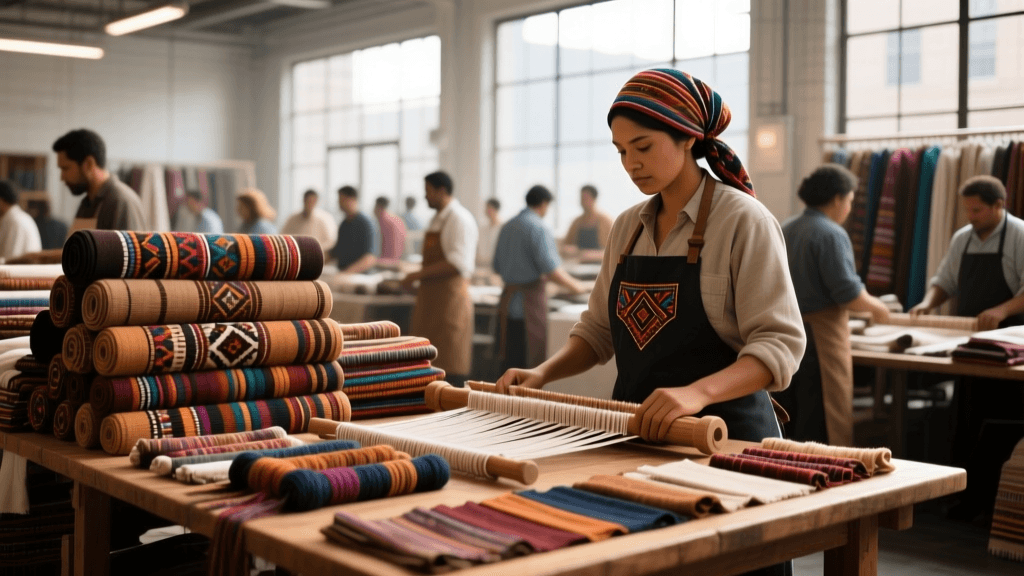
The base of the dress must be durable enough to withstand the weight of hundreds of metal cones and the rigorous movement of the dance. Wool-blend broadcloth is the gold standard for traditional jingle dresses. It provides a heavy, elegant drape that prevents the skirt from tangling around the dancer's legs. For the bodice and yoke, lighter fabrics like high-quality cotton calico or broadcloth are used to ensure breathability during hot summer powwows. When sourcing broadcloth in 2026, look for a weight of at least 8 to 10 ounces per square yard to ensure structural integrity.
Ribbonwork and Appliqué
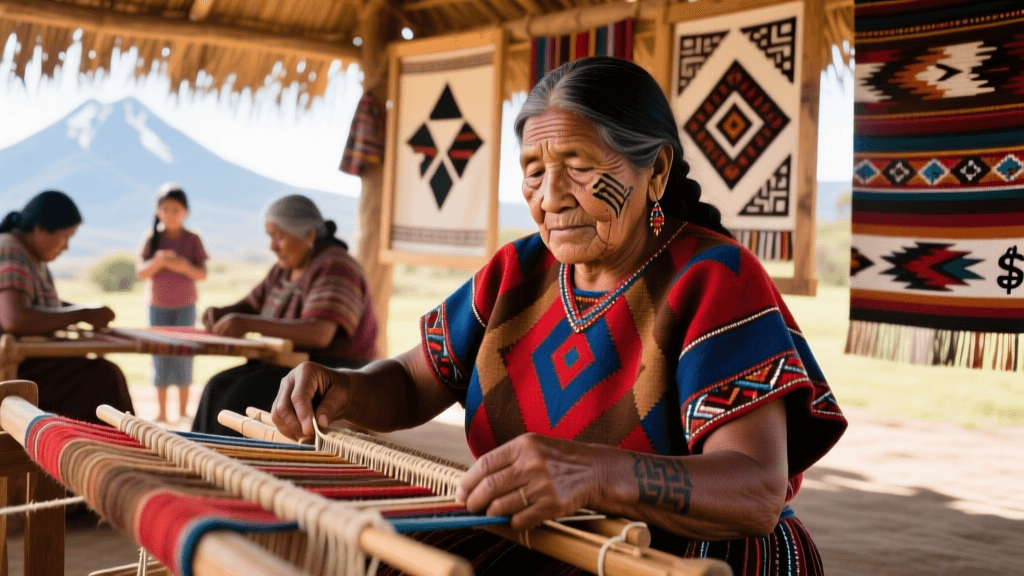
Ribbonwork is a hallmark of Great Lakes Indigenous textile art. Modern jingle dresses feature intricate geometric or floral appliqué patterns along the hem, bodice, and sleeves. In 2026, 100% polyester double-faced satin ribbons are the preferred medium, as they resist fraying and maintain their vibrant colors after repeated washing and travel. Sourcing ribbons from Indigenous-owned beadwork and craft shops ensures that your investment directly supports Native economies.
2026 Material Cost and Sourcing Comparison Table
Budgeting for a handmade jingle dress requires careful planning. The table below outlines the estimated costs and sourcing strategies for primary materials in the 2026 market.
| Material | Description | Estimated 2026 Cost | Sourcing Tips |
|---|---|---|---|
| Stamped Tin Cones | Lightweight, traditional bright sound | $0.35 - $0.50 per cone | Buy in bulk (bags of 500) from Native-owned online trade posts. |
| Copper Jingles | Deeper pitch, premium visual aesthetic | $0.85 - $1.20 per cone | Specialty regalia suppliers; expect longer lead times. |
| Wool Broadcloth | Heavy drape, traditional skirt base | $28.00 - $45.00 per yard | Fabric wholesalers; requires 4-6 yards for an adult skirt. |
| Cotton Calico | Breathable fabric for bodice and yoke | $8.00 - $15.00 per yard | Quilting shops and online fabric retailers. |
| Satin Ribbon (1") | For appliqué, borders, and ties | $4.00 - $8.00 per 100yd spool | Purchase wholesale spools to ensure dye-lot color consistency. |
| Waxed Sinew/Thread | Heavy-duty thread for securing cones | $12.00 - $18.00 per spool | Leatherworking suppliers; avoid standard cotton thread. |
Step-by-Step Construction and Layout
The construction of a jingle dress requires precision, patience, and a deep understanding of the garment's kinetic movement. The placement of the cones is critical; if placed too closely, they will tangle and muffle the sound. If placed too far apart, the dress will lack its signature visual and auditory impact.
Determining the Cone Count and Layout
While the number 365 is deeply symbolic, practical layouts often range from 250 to 400 cones depending on the size of the dancer and the design of the dress. The cones are typically arranged in horizontal rows or sweeping U-shapes across the bodice and skirt.
- Template Creation: Before sewing, create a chalk or fabric-marker grid on your broadcloth. A standard spacing for the skirt is 1.5 to 2 inches between cones horizontally, and 2 to 2.5 inches between rows vertically.
- Securing the Cones: Each cone is threaded with a piece of heavy-duty waxed sinew or upholstery thread. The thread is passed through the top of the cone, then through the fabric, and tied off securely on the inside of the dress.
- The Anti-Tangle Technique: To prevent the cones from hooking onto one another during the dance, many 2026 regalia makers use a small dab of hot glue or a specialized fabric stiffener on the knot inside the dress, or they sew a small fabric 'pocket' or loop that restricts the cone's upward movement while allowing it to swing freely side-to-side.
Ribbonwork Appliqué Techniques
For the ribbonwork, the traditional method involves folding and pinning satin ribbons onto the base fabric, then sewing them down. In 2026, many artisans utilize a narrow zigzag stitch with clear or color-matched monofilament thread to secure the edges of the ribbon, preventing fraying while maintaining a clean, professional look on the garment's exterior. For complex Ojibwe floral motifs, digitizing the pattern and using a modern embroidery machine for the base outline before applying the ribbon by hand has become a popular hybrid technique.
Respecting Cultural Protocols
It is imperative to recognize that the jingle dress is a sacred item. As noted by cultural historians and resources like Powwows.com, the dress is considered medicine. There are strict protocols surrounding its creation, handling, and use. For example, many traditionalists believe that the dress should not touch the ground, and it should be stored in a dedicated, respectful manner when not in use. Furthermore, non-Indigenous individuals should refrain from making or wearing jingle dresses, as doing so crosses the line from appreciation into cultural appropriation. The powwow community in 2026 continues to advocate for the protection of these sacred traditions, urging allies to support Indigenous artisans by purchasing authentic beadwork, moccasins, and accessories rather than attempting to replicate sacred garments.
Care and Maintenance for the 2026 Powwow Trail
Traveling the powwow trail takes a toll on regalia. Proper maintenance ensures your jingle dress lasts for generations.
- Rust Prevention: Tin cones are susceptible to rust, especially in humid environments or if exposed to rain. After every powwow, wipe down the skirt with a dry microfiber cloth. For long-term storage, keep the dress in a breathable cotton garment bag with silica gel packets to control moisture.
- Washing: Never machine-wash a jingle dress. The agitation will destroy the fabric and tangle the cones irreparably. Spot clean the broadcloth with a gentle, pH-neutral upholstery cleaner, and use a handheld steamer to remove wrinkles from the cotton yoke and ribbons.
- Traveling: When packing for a 2026 powwow, roll the skirt gently rather than folding it to prevent permanent creases in the broadcloth and to keep the cone strings from bending or breaking.
The jingle dress is not merely a garment; it is a vessel of healing and a profound expression of Ojibwe resilience and spiritual medicine. Every cone added is a prayer, and every step taken in the arena is a continuation of a century-old promise to heal the people.
Conclusion
Crafting a jingle dress in 2026 is a beautiful intersection of historical reverence and modern material science. By carefully sourcing high-quality broadcloth, selecting the right metal cones, and employing durable construction techniques, dancers can create a garment that not only looks stunning in the powwow arena but also honors the deep spiritual roots of the Ojibwe healing tradition. Whether you are a seasoned regalia maker or an Indigenous youth creating your first dress, prioritizing Native-owned suppliers and adhering to cultural protocols will ensure that the voice of the jingle dress continues to ring out across the Americas for generations to come.