2026 NYC & LA Garment District Guide: Traditional Textiles
The Evolution of American Fashion Hubs in 2026
As we navigate the fashion and textile landscape of 2026, the historic garment districts of the United States have undergone a profound transformation. No longer just centers for fast fashion and mass-market apparel, hubs like New York City’s Garment District and the Los Angeles Fashion District have pivoted to become vital epicenters for ethical sourcing, heritage preservation, and traditional textile arts. For designers, historians, and cultural preservationists focusing on Americas and Indigenous clothing, understanding the modern layout of these districts is essential. Whether you are sourcing heavy melton wools for Native American ribbon shirts, authentic Andean alpaca for winter ponchos, or intricate silk brocades for Latin American festival wear, the 2026 American fashion hubs offer unprecedented access to global and indigenous heritage materials.
This comprehensive guide will walk you through the current state of the NYC and LA garment districts, highlight emerging regional hubs, and provide actionable advice on how to ethically source traditional textiles while supporting authentic indigenous and Latin American artisan cooperatives.
New York City’s Garment District: Heritage and High-End Tailoring
Spanning roughly from 34th to 42nd Streets and between 5th and 9th Avenues, the NYC Garment District remains the premier destination for high-end, specialized textiles in North America. In 2026, the district has seen a major revitalization effort spearheaded by organizations like Save the Garment Center, which has successfully lobbied for zoning protections that preserve legacy fabric stores and specialized trim shops.
Sourcing for Native American and Indigenous Regalia
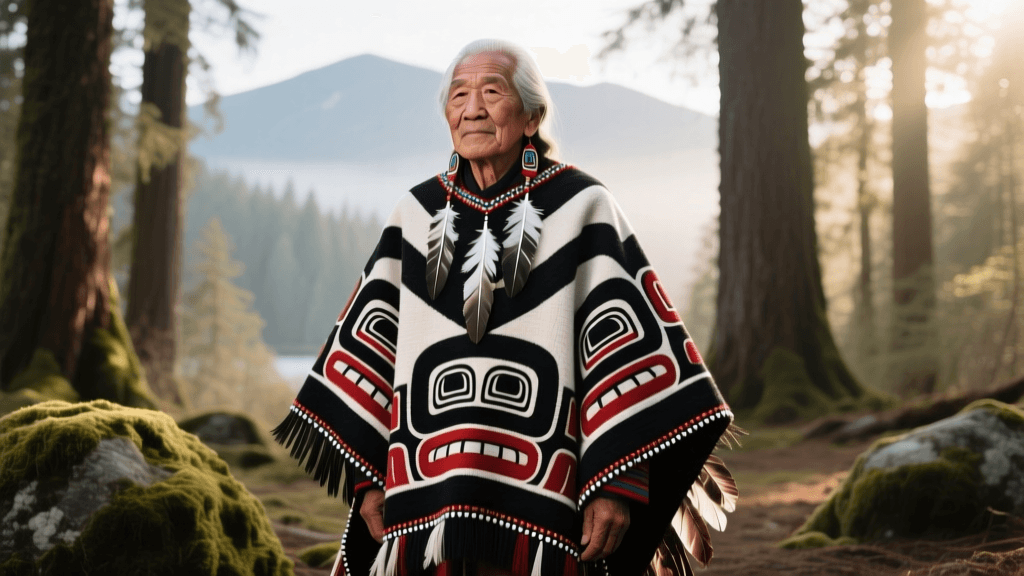
For creators of Native American traditional clothing and regalia, the NYC district is unparalleled for sourcing specific structural and decorative elements. On 38th Street, legacy wool suppliers stock the heavy, densely felted melton wools and broadcloths required for traditional ribbon shirts, skirts, and Woodlands-style regalia. Unlike the synthetic blends that flooded the market in the early 2020s, the 2026 inventory heavily favors natural fibers, driven by a consumer and artisan demand for breathable, historically accurate materials.
Furthermore, the trim and beadwork supply shops clustered around 39th Street have expanded their offerings of Czech glass seed beads, sinew, and natural leather hides. Many of these shops now utilize AI-assisted inventory tracking, allowing artisans to order specific bead sizes and colors in bulk with guaranteed consistency across multiple dye lots—a massive improvement for those creating intricate, large-scale beadwork pieces.
Latin American and Historical Textiles
For those researching or recreating historical colonial dress or sourcing materials for Latin American traditional garments, the silk and lace showrooms on 35th Street are indispensable. You will find imported French laces, Spanish-style mantilla veiling, and heavy damasks that are perfect for Quinceañera gowns and traditional Caribbean festival attire. Prices in NYC remain at a premium, but the quality and historical accuracy of the weaves are unmatched.
Los Angeles Fashion District: Latin American Textiles and Sustainable Weaves
While NYC excels in tailoring and heavy wools, the Los Angeles Fashion District—centered around the California Market Center (CMC) and the sprawling streets between 9th and 15th Streets—is the undisputed king of Latin American textile imports, sustainable cottons, and indigenous-inspired ready-to-wear fabrics. In 2026, the California Fashion Association has implemented strict sustainability and fair-trade tracking mandates, meaning buyers can now trace the provenance of many imported textiles directly back to the weaving cooperatives in Oaxaca, Chiapas, and the Andes.
The Latin American Import Hub
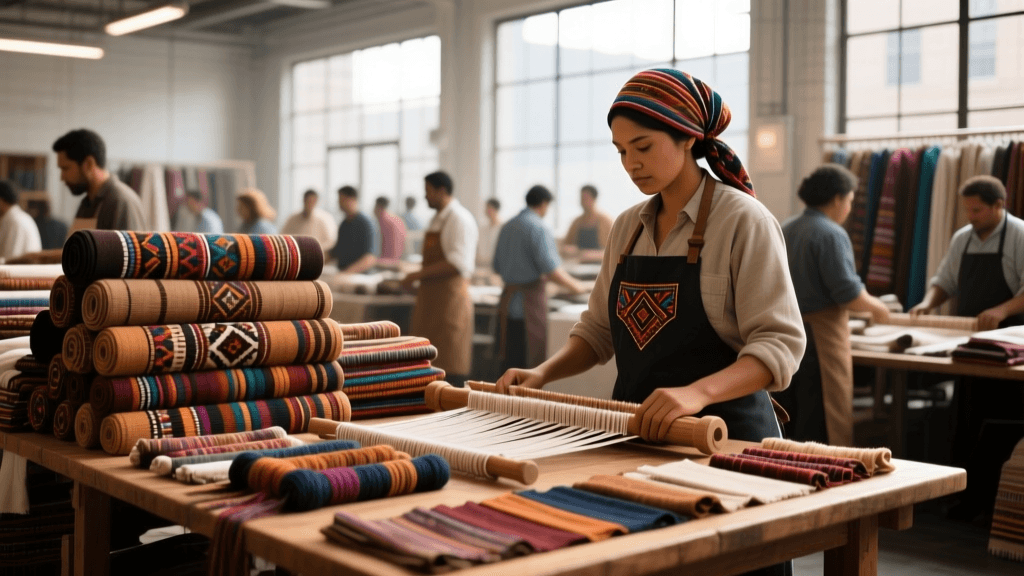
The intersection of 9th and Maple is the heartbeat of the LA district's import sector. Here, you will find massive showrooms dedicated exclusively to Mexican and Central American textiles. In 2026, there is a massive surge in the availability of authentic backstrap-loomed cottons and naturally dyed wools. Unlike the screen-printed knock-offs of the past decade, today’s LA importers are partnering directly with Zapotec and Mayan artisan cooperatives. You can source genuine huipil fabrics, rebozos, and heavy gauge Andean alpaca knits.
When sourcing in LA, be prepared for higher Minimum Order Quantities (MOQs) compared to NYC. While a NYC shop might sell you three yards of a rare brocade, LA importers often operate on a wholesale model, requiring purchases of 20 to 50 yards per colorway. This makes LA ideal for designers producing small-batch collections inspired by traditional Latin American garments, rather than solo artisans making a single piece of regalia.
Denim and Canvas for Workwear Traditions
LA is also the global capital of denim and heavy canvas. For those studying or recreating the traditional workwear of the American West, including the vaquero and early cowboy traditions, the denim mills operating on the outskirts of the district offer custom selvedge weaves using vintage shuttle looms. You can commission specific indigo dye depths and slub variations that perfectly replicate 19th-century workwear textiles.
Comparative Sourcing Guide: NYC vs. LA vs. Santa Fe
To help you plan your 2026 sourcing trips, we have compiled a comparison of the major American fashion hubs based on their utility for traditional and indigenous textile sourcing.
| Fashion Hub | Primary Specialty | Avg. Yardage Cost (2026) | Standard MOQ | Best For |
|---|---|---|---|---|
| NYC Garment District | Heavy wools, silks, bespoke tailoring, beadwork supplies | $25 - $95 / yard | 1 - 5 yards | High-end traditional tailoring, historical reproduction, regalia trims |
| LA Fashion District | Latin American imports, sustainable cottons, denim, alpaca | $12 - $55 / yard | 15 - 50 yards | Ready-to-wear indigenous-inspired lines, bulk traditional weaves |
| Santa Fe Arts District | Authentic Native American woven textiles, turquoise, leather | $150+ (per piece) | 1 piece / blanket | Authentic regalia, museum-grade indigenous art, direct artisan trade |
Emerging Hubs: Santa Fe and San Antonio
Beyond the coastal giants, 2026 has seen the rise of specialized regional hubs that cater directly to the Americas and Indigenous market. Santa Fe, New Mexico, particularly around the historic Plaza and the lead-up to the annual Indian Market, has developed a robust network of brick-and-mortar galleries and wholesale trading posts. Here, you do not buy by the yard; you buy finished, museum-grade Navajo (Diné) weavings, Pueblo pottery-inspired textile prints, and authentic turquoise and silver notions. Sourcing in Santa Fe requires building personal relationships with tribal artisans and gallery owners, often involving custom commissions that take months to complete.
Similarly, San Antonio, Texas has emerged as a vital hub for Tex-Mex and Northern Mexican traditional garments. The textile markets near Market Square offer incredible access to tooled leathers, intricate embroidery flosses, and lightweight, breathable cottons designed for the harsh southern climates, perfect for creating traditional guayaberas and Charro suits.
Ethical Sourcing and Indigenous Artisan Collaborations
The most critical aspect of sourcing traditional textiles in 2026 is ensuring ethical compliance and cultural respect. The exploitation of indigenous patterns and the mass-production of fake Native American crafts have been met with strict legal and technological pushbacks. When sourcing materials that claim to be of Indigenous origin, you must be familiar with the regulations enforced by the Indian Arts and Crafts Board. Under the Indian Arts and Crafts Act, it is illegal to offer or sell any art or craft product in a manner that falsely suggests it is Indian-produced.
In the LA and NYC districts, reputable importers now utilize blockchain-verified digital passports (often accessible via NFC tags woven into the selvedge or attached to the bolt). Scanning these tags with a smartphone provides the complete chain of custody, proving the textile was woven by a recognized indigenous cooperative, ensuring fair wages were paid, and verifying the use of natural, non-toxic dyes. Always ask your fabric rep for the digital provenance certificate before purchasing large quantities of 'heritage' textiles.
Practical Tips for the 2026 Sourcing Trip
Navigating these massive districts requires strategy, stamina, and an understanding of modern market rhythms. Keep these actionable tips in mind for your next trip:
- Timing is Everything: In NYC, avoid August. Many legacy shops close for partial renovations or inventory audits, and the district is sweltering. Target late October or early April for the best selection of new seasonal wools and silks. In LA, plan your trip to coincide with the LA Textile Show at the CMC, usually held in October, where Latin American cooperatives host exclusive pop-up showrooms.
- Payment Methods: While 95% of the garment districts have adopted modern digital payment systems, including crypto and instant wire transfers for international buyers, a few old-school trim shops in NYC still offer a 5% discount for cash payments on orders under $500. Always carry a mix of digital and physical currency.
- Bring the Right Tools: Do not rely on showroom lighting, which is heavily calibrated for 2026 LED retail displays. Bring a portable, calibrated color-matching spectrometer or a high-lumen daylight lamp to accurately assess the true color of natural dyes, which can shift dramatically under artificial light.
- Shipping and Logistics: Both NYC and LA districts are surrounded by specialized freight forwarders who understand the delicate nature of heritage textiles. For heavy wools and alpaca, use climate-controlled LTL (Less Than Truckload) shipping to prevent moisture damage and moth exposure during transit.
Conclusion
The American fashion hubs of 2026 are more than just commercial centers; they are the crossroads of global heritage and indigenous artistry. By understanding the distinct personalities of the NYC Garment District, the LA Fashion District, and emerging regional hubs like Santa Fe, designers and historians can source materials that honor the deep cultural traditions of the Americas. Whether you are stitching a traditional ribbon shirt, weaving a contemporary piece inspired by Andean techniques, or studying the evolution of Latin American festival wear, these districts hold the threads of history, waiting to be woven into the future.