2026 LDS Garment Guide: Styles, Materials & Modern Updates
The Evolution of LDS Temple Garments in 2026
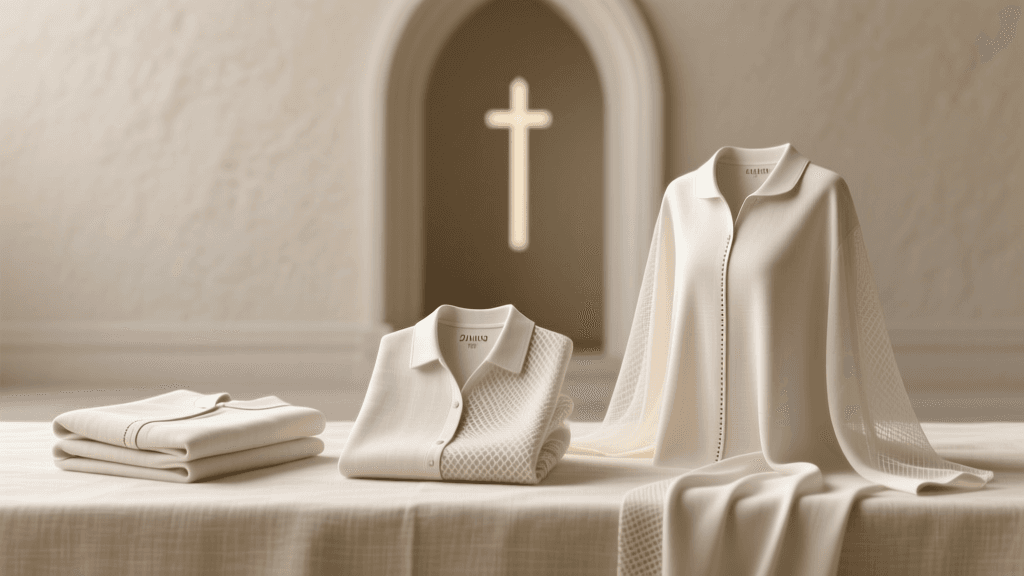
For members of The Church of Jesus Christ of Latter-day Saints, temple garments hold profound spiritual significance. They serve as a sacred reminder of covenants made in the temple, providing a continuous, personal connection to divine promises. Over the decades, the Church has continually refined the design, materials, and construction of these garments to better serve a global membership spanning diverse climates, lifestyles, and physical needs.
As of 2026, the lineup of LDS garment styles and materials reflects a deep commitment to both reverence and practical comfort. Modern textile engineering has allowed for significant updates, ensuring that members can wear their garments comfortably whether they are navigating a tropical climate, engaging in rigorous athletic activities, or transitioning through maternity and nursing phases. This comprehensive guide explores the current fabrics, cuts, and modern updates available in 2026, helping you make informed decisions when purchasing your temple clothing.
Understanding the Sacred Context
Before diving into the textile specifications, it is essential to understand the foundational purpose of the garment. According to the Church's General Handbook, temple garments are a sacred privilege and a symbol of devotion. They are designed to be worn beneath outer clothing as a modest, protective layer. While the spiritual markers and the sacred nature of the garment remain entirely unchanged, the physical vessel—the fabric and the cut—has evolved to meet the ergonomic and environmental demands of the modern world.
Comprehensive Guide to 2026 Garment Materials
The Church offers several distinct fabric blends to accommodate different sensory preferences, skin sensitivities, and environmental conditions. Choosing the right material is crucial for daily comfort and adherence to the principle of wearing the garment consistently.
1. Classic Cotton
The traditional 100% cotton garment remains a staple in 2026. It is highly durable, breathable, and provides a structured feel that many members prefer. Cotton is excellent for temperate climates and is generally the most cost-effective option. However, it can retain moisture longer than synthetic blends, making it less ideal for intense physical exertion.
2. Modal (Beechwood Blend)
Modal has become increasingly popular due to its exceptionally soft, silky texture. Derived from beech tree pulp, modal is a type of rayon that offers superior moisture-wicking properties and a lightweight drape. It resists shrinking and pilling better than standard cotton, making it a favorite for members with sensitive skin or those who live in moderately warm climates.
3. Lightweight Mesh
Designed specifically for extreme heat and high humidity, the mesh garment features a porous, breathable knit. Often utilized by missionaries serving in tropical regions of Latin America, Southeast Asia, and the Pacific Islands, mesh garments allow for maximum airflow while maintaining the required modesty and sacred markings.
4. Stretch Blends
Incorporating a small percentage of spandex or elastane, stretch garments offer enhanced mobility. These are particularly favored by active individuals, athletes, and those who find traditional woven fabrics too restrictive. The stretch fabric contours to the body without binding, reducing chafing during movement.
Fabric Comparison Chart
| Material | Breathability | Best Climate / Use Case | Durability & Care |
|---|---|---|---|
| Classic Cotton | Moderate | Temperate climates, everyday wear | High; may shrink if dried on high heat |
| Modal Blend | High | Warm climates, sensitive skin | Very High; resists pilling and fading |
| Lightweight Mesh | Very High | Tropical, humid, extreme heat | Moderate; requires gentle washing to avoid snags |
| Stretch Blend | High | Athletics, active lifestyles, travel | High; retains shape exceptionally well |
Current Top and Bottom Style Variations
The 2026 catalog available through the official Church distribution store features a wide array of cuts designed to remain hidden beneath modern fashion trends while providing full coverage.
Garment Tops
- T-Shirt Style: The classic crew neck with short sleeves. Ideal for casual wear and standard t-shirts.
- V-Neck and Round Neck: Slightly lower necklines designed to remain invisible under unbuttoned dress shirts or wider-neck blouses.
- Sleeveless / Carson Style: A popular option for women, featuring wider shoulder straps and a scoop or V-neck. This style is essential for wearing under sleeveless dresses, formal wear, or professional attire without the garment showing.
- Long Sleeve: Available primarily in cotton and modal, designed for colder climates or for members who prefer full arm coverage beneath long-sleeved dress shirts.
Garment Bottoms
- Knee-Length: The standard cut that reaches just above or at the knee, providing coverage for standard shorts and skirts.
- Mid-Thigh: A shorter cut designed for wear under shorter athletic shorts or modern above-the-knee skirts, ensuring the garment remains hidden while maintaining the required coverage on the upper leg.
- Ankle-Length: Designed for wear under long pants, scrubs, or maxi skirts, offering full leg coverage and preventing the garment from riding up during the day.
Modern Updates: Specialized Options for 2026
One of the most significant advancements in recent years is the introduction of specialized garments that cater to specific life stages and physical needs. The Church's commitment to accessibility is evident in these modern updates.
Maternity and Nursing Garments
Pregnancy and postpartum phases present unique challenges for garment wearers. The current maternity line features expandable side panels and stretchy, accommodating waistbands that grow with the wearer. For nursing mothers, specialized tops include discreet, layered access points that allow for breastfeeding without the need to remove or excessively alter the garment, maintaining both modesty and convenience.
Youth Garments
As more young men and young women prepare for temple service and missions at an earlier age, the youth garment line has been expanded. These garments are tailored specifically to smaller frames and narrower shoulders, ensuring that youth do not have to wear ill-fitting adult sizes that can cause discomfort or bunching under school uniforms and athletic wear.
Adaptive and Mobility-Friendly Designs
For members with limited mobility, disabilities, or those recovering from surgery, adaptive garments feature modified closures, such as shoulder snaps or Velcro side seams. These updates ensure that all endowed members can wear their garments with dignity and independence, regardless of physical limitations.
Climate-Specific Recommendations
Choosing the right garment in 2026 often depends on your geographic location and daily routine:
- Humid / Tropical (e.g., Florida, Brazil, Philippines): Opt exclusively for Lightweight Mesh. Pair with moisture-wicking outer clothing to prevent heat rash.
- Active / Outdoor Labor: Choose Stretch Blends. The elastane prevents the fabric from sagging or chafing during repetitive movements.
- Cold / Winter Climates (e.g., Canada, Northern Europe): Classic Cotton or Modal long-sleeve tops paired with ankle-length bottoms provide an excellent base layer beneath thermal wear.
Sizing, Fit, and Purchasing Guidelines
Proper fit is essential for comfort. A garment that is too tight can cause skin irritation, while one that is too loose may bunch up and become visible under clothing. When ordering from the Church's official temple clothing and garments page or a local distribution center, follow these measuring steps:
- Chest/Bust: Measure around the fullest part of the chest, keeping the tape measure level and snug but not tight.
- Waist: Measure around the natural waistline (typically just above the belly button).
- Hips: Measure around the fullest part of the hips and buttocks.
- Inseam (for bottoms): Measure from the crotch to the desired hemline (mid-thigh, knee, or ankle).
Pro Tip: If your measurements fall between two sizes, it is generally recommended to size up for cotton (which may shrink slightly) and size down for stretch blends (which will contour to the body).
Proper Care and Respectful Disposal
Garments should be cared for with the same respect afforded to any sacred item, though they do not require overly complex laundering routines. Wash garments in warm or cold water with standard laundry detergent. While chlorine bleach can be used to maintain the stark white color, many members prefer oxygen-based bleach to preserve the integrity of modal and stretch fibers over time. Tumble dry on low heat to prevent warping the elastic fibers.
When a garment becomes worn, torn, or no longer usable, it must be disposed of respectfully. The official guideline is to carefully cut out the sacred marks (the compass and the square) and destroy them. The remaining fabric can then be cut into pieces and discarded as normal household waste, ensuring that no recognizable part of the garment remains intact.
Conclusion
The 2026 lineup of LDS temple garments represents a harmonious blend of sacred tradition and modern textile innovation. Whether you are seeking the cooling relief of a mesh garment for a tropical mission, the flexibility of a stretch blend for your morning run, or the specialized comfort of a nursing top, the Church provides options that honor your covenants while respecting your physical needs. By understanding the materials, styles, and proper care techniques, you can ensure that your garments remain a comfortable, constant, and reverent reminder of your spiritual commitments throughout your daily life.