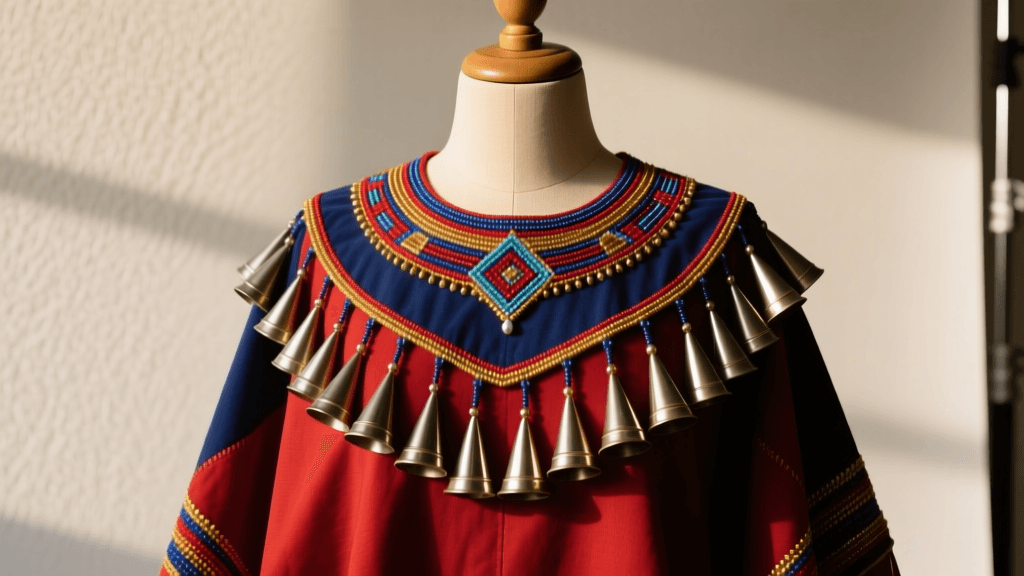
Diné Biil and Navajo Weaving Styles: 2026 Buyer's Guide
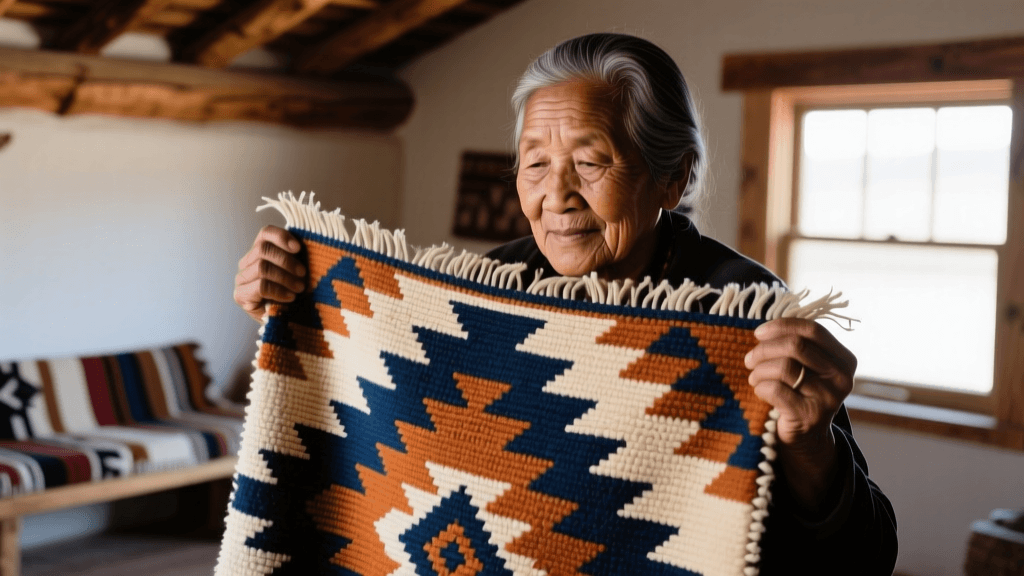
The Enduring Legacy of the Diné Biil in 2026
The Diné (Navajo) people possess one of the most storied and resilient textile traditions in North America. At the heart of this tradition is the biil, the traditional two-piece woven dress that has served as both an everyday garment and sacred ceremonial regalia for centuries. As we navigate the cultural renaissance and evolving textile markets of 2026, understanding the nuances of Diné weaving—particularly the regional variations and the authenticating markers of handwoven garments—is essential for collectors, cultural historians, and Indigenous community members alike.
The biil is constructed from two identical rectangular panels woven on an upright loom. These panels are stitched together along the sides and top, leaving strategic openings for the arms and head. Historically, the biil was woven from the wool of the Navajo-Churro sheep, a breed deeply intertwined with Diné cosmology and survival. In 2026, the revival of the Churro sheep breed has reached a vital milestone, with Indigenous-led cooperatives ensuring that hand-spun, naturally dyed Churro wool remains accessible to master weavers. According to the Navajo-Churro Sheep Association, preserving the genetic lineage of these sheep is not merely an agricultural pursuit, but a profound act of cultural preservation that directly impacts the texture, luster, and longevity of traditional garments like the biil.
Regional Navajo Weaving Styles: A 2026 Comparison
When examining Navajo textiles, it is crucial to recognize that 'Navajo weaving' is not a monolith. The Diné homeland, or Dinétah, spans across portions of Arizona, New Mexico, Utah, and Colorado. Within this vast landscape, distinct regional styles have emerged, shaped by local trading posts, available natural dyes, and the artistic lineage of specific families. For collectors and those seeking authentic regalia components in 2026, distinguishing between these regional styles is a foundational skill.
| Regional Style | Key Characteristics & Motifs | Typical 2026 Price Range (Authentic Shawls/Biil) |
|---|---|---|
| Ganado / Klagetoh | Deep reds, black, white, grey; bold central diamonds and crosses. | $4,500 - $12,000+ |
| Two Grey Hills | Undyed natural wool (brown, grey, black, white); fine tapestry-like weave. | $5,000 - $15,000+ |
| Teec Nos Pos | Explosive complexity, multiple borders, jagged geometry, vibrant contrasts. | $3,500 - $9,000 |
| Wide Ruins / Burntwater | Horizontal bands, stepped terraces, soft vegetal dyes (sage, terracotta). | $2,500 - $7,500 |
Ganado and Klagetoh
Ganado rugs and garments are perhaps the most recognizable to the untrained eye, characterized by deep, rich reds (historically derived from cochineal or commercial aniline dyes, and now often from sophisticated natural root and bark dyes) contrasted with stark black, white, and grey geometric patterns. A Ganado-style biil or shawl often features a bold central diamond or cross motif. In the 2026 market, a master-weaver's Ganado biil woven with hand-spun wool commands premium prices, often starting at $4,500 and reaching upwards of $12,000 for museum-quality ceremonial pieces.
Two Grey Hills
In stark contrast to the vibrant reds of Ganado, the Two Grey Hills region is celebrated for its undyed, natural wool tones. Weavers in this northwestern New Mexico region meticulously sort their fleece into shades of brown, grey, black, and white, creating intricate, tightly woven geometric borders and motifs without the use of any commercial dyes. The wool is spun exceptionally fine, resulting in textiles that are almost tapestry-like in their thread count. A Two Grey Hills biil is prized for its lightweight drape and subtle, earth-toned elegance, making it a highly sought-after garment for summer powwows and seasonal ceremonies.
Teec Nos Pos
Originating from the northeastern edge of the Navajo Nation, Teec Nos Pos weavings are famous for their explosive complexity and vibrant color palettes. Influenced historically by Persian rug designs introduced by early traders, Teec Nos Pos textiles feature multiple, intricate borders, jagged geometric shapes, and a fearless use of contrasting colors. While less common for full traditional biil dresses due to the visual weight of the patterns, Teec Nos Pos techniques are frequently employed in contemporary sashes, ceremonial belts, and modern Indigenous high-fashion garments that blend traditional weaving with 2026 silhouettes.
Wide Ruins and Burntwater
Wide Ruins textiles are known for their horizontal bands, stepped terraces, and softer, vegetal-dyed color palettes featuring sage greens, soft yellows, and muted terracottas. The Burntwater style, a more recent evolution from the mid-20th century that continues to thrive today, combines the bordered geometry of Two Grey Hills with the vibrant, vegetal-dyed colors of Wide Ruins. These styles are increasingly popular among younger Diné weavers who are experimenting with sustainable, locally foraged plant dyes to create garments that reflect the specific micro-climates of their home chapters.
How to Authenticate Vintage and Contemporary Pieces
The proliferation of mass-produced, imported imitation 'Southwestern' textiles remains a persistent issue. To protect Indigenous economies and cultural heritage, buyers must know how to authenticate a true Diné handwoven piece. The Indian Arts and Crafts Board provides strict guidelines on identifying authentic Native American arts, emphasizing the legal and ethical necessity of supporting verified Indigenous artisans.
Here are the critical markers to inspect when evaluating a biil or Navajo woven garment:
- The Warp Continuity: True Navajo weaving is done on an upright loom where the warp (the vertical foundation threads) is continuous. If you examine the top and bottom edges of the textile, you should not see cut threads or fringed ends where the warp was removed from a mechanical loom. Instead, the warp loops back on itself.
- Selvedge Cords: Diné weavers incorporate a thick, multi-ply selvedge cord along the outer edges of the weaving to provide structural integrity and prevent stretching. This cord is typically twined into the edges during the weaving process and is a hallmark of authentic Navajo technique, distinguishing it from Mexican or Guatemalan backstrap loom weavings.
- Lazy Lines: Also known as 'weft breaks,' lazy lines are subtle, diagonal interruptions in the horizontal weft threads. Because Diné weavers work on large, stationary looms, they weave in sections rather than passing the weft from one absolute edge to the other. These faint diagonal lines are not flaws; they are the signature of a handwoven piece created by a human being managing tension across a wide warp.
- The Spirit Line (Ch'ihónít'i'): Many, though not all, Diné weavers incorporate a deliberate, thin line that breaks the border of the rug or garment, extending to the edge. This spirit line ensures that the weaver's energy and creativity are not trapped within the intricate geometry of the textile, allowing their spirit to return to the world to create again.
Sourcing Authentic Churro Wool and Dyes
For those interested in the material science of Indigenous garments, understanding the 2026 supply chain for authentic materials is vital. The Navajo-Churro sheep produces a dual-coated fleece: a soft inner coat and a long, lustrous outer coat. This unique structure makes it incredibly durable and weather-resistant, ideal for garments meant to be worn in the harsh high-desert climate. In early 2026, raw, unwashed Churro fleece sourced directly from Navajo shepherds averaged $18 to $25 per pound, while hand-spun, naturally dyed yarn prepared for weaving commanded $65 to $110 per pound.
Natural dyeing has also seen a massive resurgence. Master dyers are utilizing wild walnut hulls for deep browns and blacks, juniper berries for soft yellows, and sagebrush for muted greens. The time investment required to forage, boil, and mordant these dyes using traditional alum or local mineral muds adds significant value to the final garment.
Supporting Indigenous Artisans Directly
Purchasing a traditional Diné biil or a regional woven shawl is a significant financial and cultural investment. In 2026, the pricing structure reflects the immense labor involved. Shearing, cleaning, carding, and hand-spinning Churro wool can take hundreds of hours before the weaving even begins. Finally, the weaving itself on an upright loom requires profound physical endurance and mathematical precision.
Expect to pay between $1,500 and $3,500 for a contemporary, everyday woven shawl or smaller biil component made with commercial wool and dyes. For a fully traditional, ceremonial-grade biil woven with hand-spun, naturally dyed Navajo-Churro wool by a recognized master weaver, prices in 2026 typically range from $6,000 to $15,000, with historic vintage pieces fetching significantly more at specialized auction houses.
To ensure your purchase directly supports the Diné community and complies with the Indian Arts and Crafts Act, always buy directly from tribal cooperatives, verified Indigenous-owned galleries, or at established events like the Santa Fe Indian Market or the Heard Museum Guild Indian Fair. Institutions like the Smithsonian National Museum of the American Indian frequently highlight the importance of provenance and ethical acquisition, reminding collectors that these garments are not mere decor, but living embodiments of Indigenous identity, resilience, and prayer.
As we look to the future of Indigenous North American dress traditions, the Diné biil stands as a testament to the power of cultural continuity. By understanding the regional dialects of Navajo weaving, respecting the sacred relationship between the weaver and the Churro sheep, and committing to ethical purchasing practices, we help ensure that the rhythmic clack of the wooden batten against the loom will echo through Dinétah for generations to come.