Crafting Jingle Dress Regalia in 2026: Materials & Tips
The Origins and Spiritual Significance of the Jingle Dress
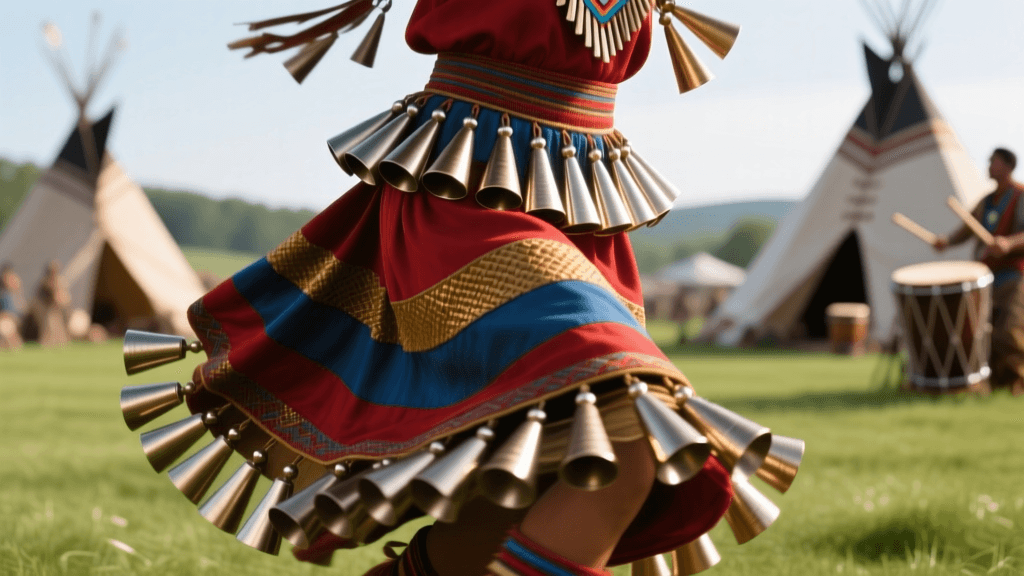
The Jingle Dress dance is one of the most profoundly spiritual and visually captivating traditions in Native American powwow culture. Originating among the Ojibwe (Chippewa) people in the early 20th century—specifically tracing back to the Whitefish Bay community in Ontario and the Mille Lacs Band in Minnesota—the dance was born from a vision of healing. According to oral histories documented by the Minnesota Historical Society, a medicine man was instructed in a dream to create a dress adorned with metal cones that would produce a sound like falling rain, bringing healing to his sick granddaughter. Today, the Jingle Dress is widely recognized as a healing dance, and the regalia itself is treated with immense reverence.
As we prepare for the 2026 powwow season, the creation of a jingle dress remains a meticulous process that blends ancestral knowledge with modern textile techniques. Whether you are a seasoned regalia maker or an Indigenous artisan crafting your first dress, understanding the nuances of material sourcing, structural integrity, and cultural protocol is essential.
Sourcing Metal Cones (Ziibaaska'iganan) in 2026
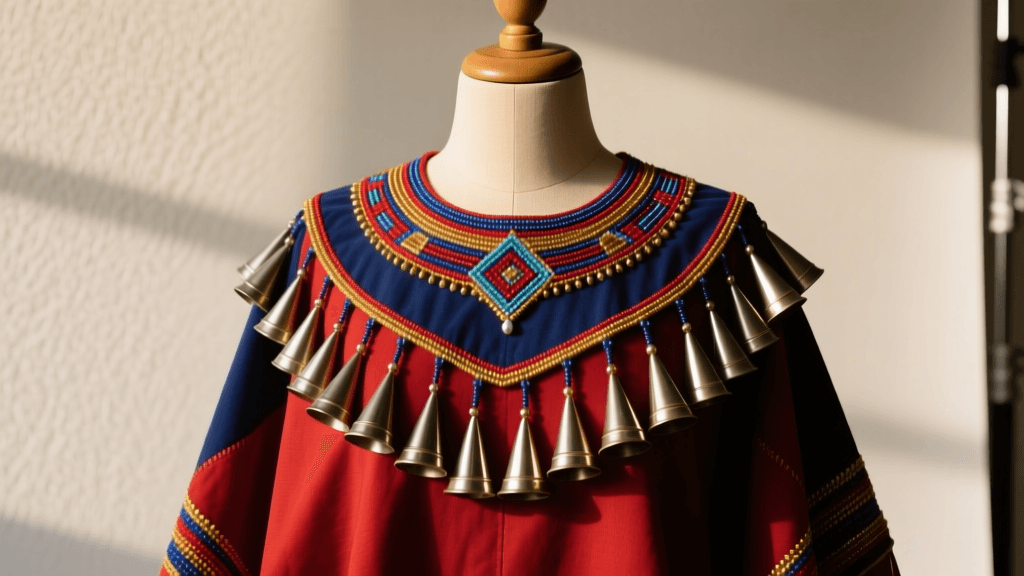
The defining feature of the regalia is the metal cones, traditionally known in Ojibwe as ziibaaska'iganan. Historically, these were fashioned from the lids of rolled snuff cans or baking powder tins. While some traditionalists still hand-roll recycled metals for a deeply personalized sound, the 2026 market offers highly specialized, commercially stamped and hand-rolled cones designed specifically for powwow dancers.
When sourcing cones for the upcoming season, artisans must consider the metal composition, the rolling technique, and the acoustic profile. Brass, copper, and German silver are the most popular choices. Brass offers a bright, high-pitched rain sound, while copper provides a deeper, more muted resonance. German silver (a nickel alloy) is prized for its brilliant shine and durability, though it is heavier and requires reinforced fabric backing.
Rolled vs. Stamped Cones: A Comparison
Choosing between hand-rolled and machine-stamped cones will impact your budget, the weight of the dress, and the acoustic footprint you leave in the arena. Below is a breakdown of the current 2026 market options:
| Cone Type | Material Options | Acoustic Profile | Durability | Avg. Price (per 100) |
|---|---|---|---|---|
| Machine Stamped | Brass, Aluminum | Bright, uniform, high-pitch | Moderate (can crush) | $18 - $25 |
| Hand-Rolled (Standard) | Brass, Copper | Deep, resonant, organic | High (retains shape) | $45 - $60 |
| Hand-Rolled (Premium) | German Silver, Silver | Crisp, loud, cascading | Very High | $85 - $120 |
For a standard adult dress requiring 300 to 400 cones, investing in hand-rolled brass or copper is highly recommended for dancers who prioritize the traditional "rain" sound and long-term durability.
Selecting Fabrics and Ribbon Appliqué
The foundation of a jingle dress must be breathable, durable, and capable of supporting the significant weight of hundreds of metal cones. In 2026, the most favored base fabrics remain cotton broadcloth and high-quality calico. Broadcloth is tightly woven and holds up exceptionally well to the stress of cone attachment, while calico offers vibrant, traditional floral prints that honor Woodland Indigenous aesthetics.
Ribbon appliqué is a hallmark of Jingle Dress regalia. Artisans use satin or polyester-blend ribbons to create intricate geometric or floral patterns along the hem, sleeves, and yoke. When designing your layout for the 2026 season, consider using double-fold bias tape alongside traditional ribbons to prevent fraying during the vigorous movements of the dance. Many contemporary makers are also integrating sustainable, organic cotton blends that offer superior moisture-wicking properties for the peak heat of July and August powwows.
Construction, Layout, and Spacing Techniques
The layout of the cones is not merely decorative; it dictates the flow of the dress and the synchronization of the sound. A common contemporary tradition is to use exactly 365 cones, representing a prayer for healing for every day of the year. However, historical dresses often featured fewer cones arranged in specific U-shaped or V-shaped patterns across the bodice and skirt.
Reinforcement and Attachment
Attaching the cones requires heavy-duty techniques. Standard cotton thread will snap under the kinetic stress of the dance. Artisans should use waxed synthetic sinew or heavy-duty upholstery thread (such as nylon or polyester core-spun thread).
- The Snag Method: Pass the thread through the fabric, up through the cone, and tie it off with a secure surgeon's knot on the inside of the dress.
- Reinforcement Patches: For heavier German silver cones, place a small square of canvas or denim on the inside of the fabric at each attachment point to distribute the weight and prevent tearing.
- Spacing: Cones are typically spaced 1.5 to 2 inches apart. They must be close enough to create a unified wall of sound, but far enough apart that they do not tangle during the complex footwork of the Jingle Dress dance.
Accompanying Regalia and 2026 Sourcing Protocols
A jingle dress is never worn alone; it is part of a complete regalia ensemble that includes beaded moccasins, a belt, a purse, and a shawl or fan. The beadwork should ideally match the color palette of the ribbon appliqué. Many artisans are currently utilizing size 11/0 or 12/0 Czech glass seed beads for their vibrant colorfastness and uniform shape.
When incorporating feathers into your hair ties or fan, it is critical to adhere to legal and ethical sourcing guidelines. As noted by the Smithsonian National Museum of the American Indian, the possession and use of eagle and other migratory bird feathers are strictly regulated in the United States. Enrolled members of federally recognized tribes must source eagle feathers through the National Eagle Repository or via legal, documented gifts from other enrolled members. For the 2026 season, many dancers are also beautifully incorporating naturally molted turkey, pheasant, or hawk feathers (where legally permissible) dyed in traditional colors to complement their regalia without navigating the lengthy repository wait times.
Care, Protocol, and Storage
The jingle dress is considered a living, sacred entity. Cultural protocol dictates that the dress should never touch the bare ground. When dressing at the powwow grounds, lay down a clean blanket or tarp. If a cone falls off during the dance, it is customary to have a designated helper pick it up, as the dancer should not break their prayerful focus to retrieve it.
Storage is equally important. Never store the dress crumpled in a plastic bin, as this can crush the cones and trap moisture, leading to rust or fabric mildew. Instead, hang the dress on a heavy-duty, padded hanger in a cool, dry environment. Cover it with a breathable cotton garment bag. If cones become crushed or tarnished over the season, they can be gently reshaped using a conical steel mandrel and polished with a non-abrasive metal cleaner.
Conclusion
Crafting jingle dress regalia for the 2026 powwow circuit is a labor of love, requiring hundreds of hours of sewing, beading, and prayer. By carefully selecting your materials—from the acoustic profile of your hand-rolled cones to the breathability of your broadcloth—you ensure that the dress not only looks stunning in the arena but also honors the deep, healing origins of the Ojibwe vision. As resources like Powwows.com frequently remind the community, the true power of the jingle dress lies not just in the flash of the metal or the precision of the beadwork, but in the healing prayers carried by the sound of the rain it creates.