LDS Garment Styles & Materials: 2026 Modern Updates Guide
The Intersection of Faith and Textile Engineering
For members of The Church of Jesus Christ of Latter-day Saints, temple garments hold profound spiritual significance. Often referred to in broader cultural contexts as LDS garments or Mormon temple garments, these sacred underclothing items serve as a daily, tangible reminder of covenants made in temples. However, from a textile and cultural anthropology perspective, the evolution of these garments also represents a fascinating intersection of religious modesty, global expansion, and modern fabric engineering. As of 2026, the styles, materials, and manufacturing processes behind LDS garments have undergone significant modern updates to accommodate a diverse, global membership living in vastly different climates.
According to the official Gospel Topics Essay on Temple Garments, the design and markings are sacred and strictly regulated, but the underlying fabrics and outer cuts have continuously adapted. In 2026, the focus is heavily on sustainability, moisture management, and ergonomic stretch, ensuring that members can honor their religious commitments without compromising on physical comfort in extreme heat, high humidity, or active lifestyles.
Evolution of Temple Garment Materials
Historically, early iterations of LDS garments in the 19th and early 20th centuries were crafted from heavy woven cotton, flannel, or wool, reflecting the textile limitations and modesty standards of the era. These full-body union-suit styles were eventually modified into the modern two-piece top and bottom configuration. Today, the Church Distribution Temple Garments Catalog offers a highly specialized array of fabric blends that rival modern athletic and luxury loungewear.
The Shift Toward Performance and Sustainable Blends
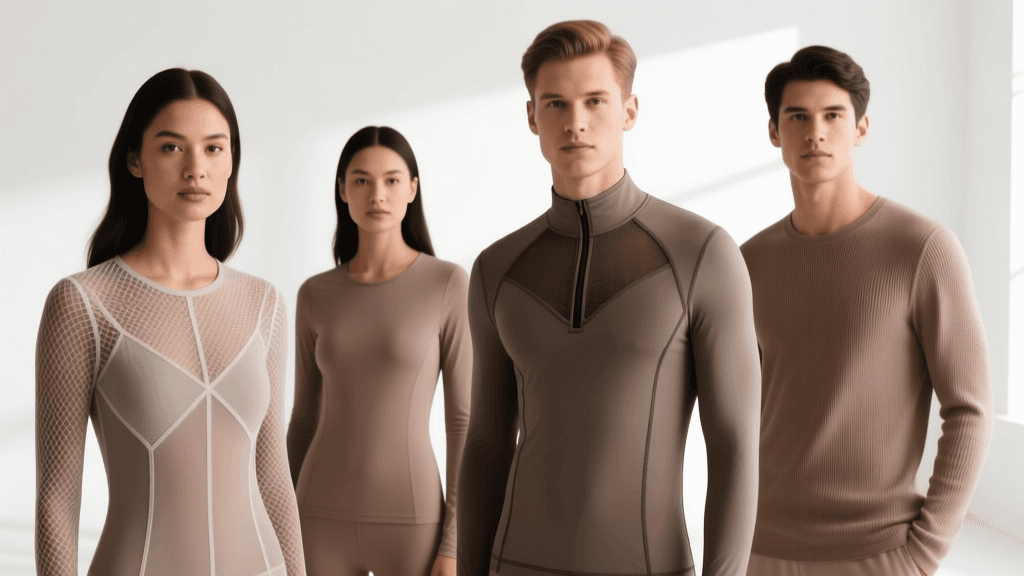
The 2026 lineup of garment materials reflects a broader apparel industry shift toward eco-conscious and high-performance fibers. While traditional 100% combed cotton remains available for those with sensitive skin or a preference for natural fibers, the majority of members now opt for advanced blends. Modal (a semi-synthetic rayon made from beech tree pulp) has become a staple due to its silky hand-feel and resistance to shrinking. Furthermore, the introduction of specialized mesh panels and moisture-wicking polyester-spandex blends has revolutionized comfort for members living in tropical climates or those who engage in rigorous physical labor and athletics.
Comprehensive Guide to 2026 Fabric Options
Choosing the right fabric is essential for daily comfort. Below is a detailed comparison of the primary material options available through Church distribution centers and approved online portals in 2026.
| Fabric Blend | Best Climate / Use Case | Durability & Feel | Care Requirements |
|---|---|---|---|
| 100% Combed Cotton | Temperate climates; sensitive skin | Breathable but prone to shrinkage; softens over time | Wash warm, tumble dry low; expect 5% shrinkage |
| Cotton/Polyester Blend | All-season everyday wear | Durable, wrinkle-resistant, retains shape well | Machine wash/dry; highly low-maintenance |
| Modal/Spandex Stretch | Office wear, travel, moderate heat | Silky, 4-way stretch, lightweight, drapes elegantly | Wash cold, air dry or low heat to preserve elasticity |
| Performance Mesh | High humidity, tropical, athletic | Ultra-breathable, moisture-wicking, quick-drying | Wash cold, hang dry; avoids trapping odors |
| Thermal/Fleece Blend | Cold weather, outdoor winter work | Insulating, brushed interior, retains body heat | Machine wash warm, tumble dry low |
Neckline and Sleeve Style Variations
While the sacred markings placed on the garments remain inviolate, the outer silhouettes of the tops have been expanded to accommodate modern secular fashion trends, ensuring the garments remain hidden beneath contemporary clothing. In 2026, members can choose from several neckline and sleeve configurations.
- Crew Neck: The traditional, higher-cut neckline. Ideal for winter wear or when wearing opaque, high-collared shirts.
- V-Neck: A versatile option that remains concealed beneath unbuttoned dress shirts or standard casual tees.
- Rounded Neck (Carmen): A wider, scooped neckline designed specifically for women to remain hidden beneath boat-neck or wide-scoop blouses.
- Scoop Neck: A deeper cut for women, accommodating modern summer dresses and lower-cut professional blouses without the garment peeking through.
Sleeve Lengths and Women's Specific Updates
Sleeve options range from completely sleeveless (ideal for evening wear or high-heat summers) to cap sleeves and standard short sleeves. In 2026, women's styles have seen notable updates in the hem finishing. Stretch lace trims are now widely utilized on sleeveless and cap-sleeve tops, providing a seamless transition against the skin that eliminates visible lines under tight-fitting or lightweight secular clothing. Additionally, the 'boy-leg' and 'mid-thigh' stretch bottoms have largely replaced older, looser traditional cuts for younger demographics, offering a compression-fit similar to modern cycling shorts, which prevents bunching under trousers and skirts.
Sizing, Fit, and Modern Purchasing Updates
One of the most significant logistical updates in 2026 is the Church's decentralized, localized manufacturing and distribution model. To reduce the carbon footprint and shipping times, garments are now produced in regional hubs across North America, South America, and the Asia-Pacific region. This ensures that members in the Americas receive garments tailored to regional sizing metrics and climate needs much faster than in previous decades.
When ordering, members are encouraged to use the updated digital sizing calculator on the Church Store app. Because stretch fabrics (like Modal/Spandex) fit much differently than rigid 100% cotton, the 2026 sizing algorithm accounts for fabric tension. A common mistake is ordering the same size in stretch as in cotton; experts recommend sizing down in stretch blends for a secure, supportive fit, while sizing up in 100% cotton to account for inevitable post-wash shrinkage.
Caring for Advanced Fabric Blends
Proper care extends the lifespan of the garments and preserves the integrity of the sacred markings. The introduction of performance meshes and modal blends requires a shift away from traditional laundry habits. Bleach and harsh fabric softeners are strictly discouraged in 2026 care manuals, as they break down spandex fibers and degrade moisture-wicking treatments. Instead, members are advised to use mild, enzyme-free detergents. For mesh and stretch garments, washing in cold water and utilizing a drying rack or low-heat tumble cycle prevents the elastic from becoming brittle, ensuring the garments maintain their modesty and comfort for their entire lifecycle.
Conclusion
The modernization of LDS garment styles and materials in 2026 highlights a remarkable balance between unwavering religious tradition and adaptive textile innovation. By offering a diverse matrix of eco-friendly fabrics, ergonomic cuts, and climate-specific designs, the Church ensures that its members can navigate the demands of modern life—from the humid boardrooms of Miami to the freezing outdoor worksites of Alberta—while keeping their most sacred covenants close to their skin. As textile technology continues to advance, the humble temple garment stands as a unique case study in how deeply held spiritual practices can seamlessly integrate with the cutting edge of global apparel design.