Sourcing Traditional Textiles: NYC & LA Garment Districts 2026 Guide
The 2026 Landscape of American Textile Sourcing
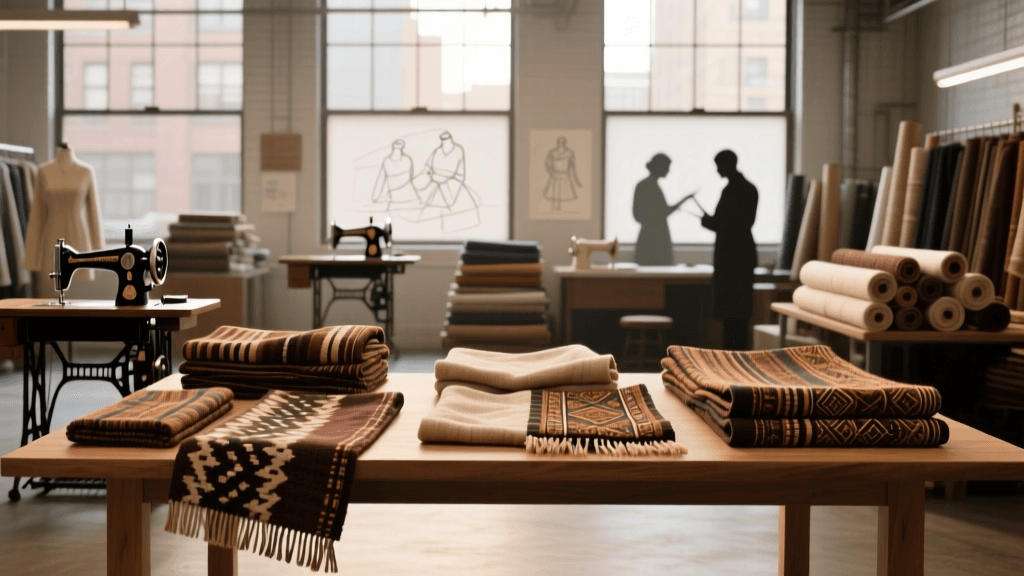
The American fashion and textile landscape in 2026 is defined by a renewed commitment to localized manufacturing, sustainable practices, and a deep respect for cultural heritage. For designers, researchers, and artisans focusing on Americas and Indigenous clothing, the physical garment districts of New York City and Los Angeles remain irreplaceable resources. While digital showrooms and AI-driven inventory systems have streamlined the initial discovery process, the tactile experience of evaluating wool weights, calico prints, and ribbon textures in person is essential for creating authentic traditional garments, powwow regalia, and historical reproductions.
Navigating these massive urban hubs requires strategy, especially as commercial real estate shifts and sustainability mandates reshape vendor offerings in 2026. This comprehensive guide will walk you through the top sourcing locations, ethical considerations, and logistical tips for finding traditional and indigenous textiles in the premier American fashion hubs.
The NYC Garment District: Heritage Trims and Natural Fibers
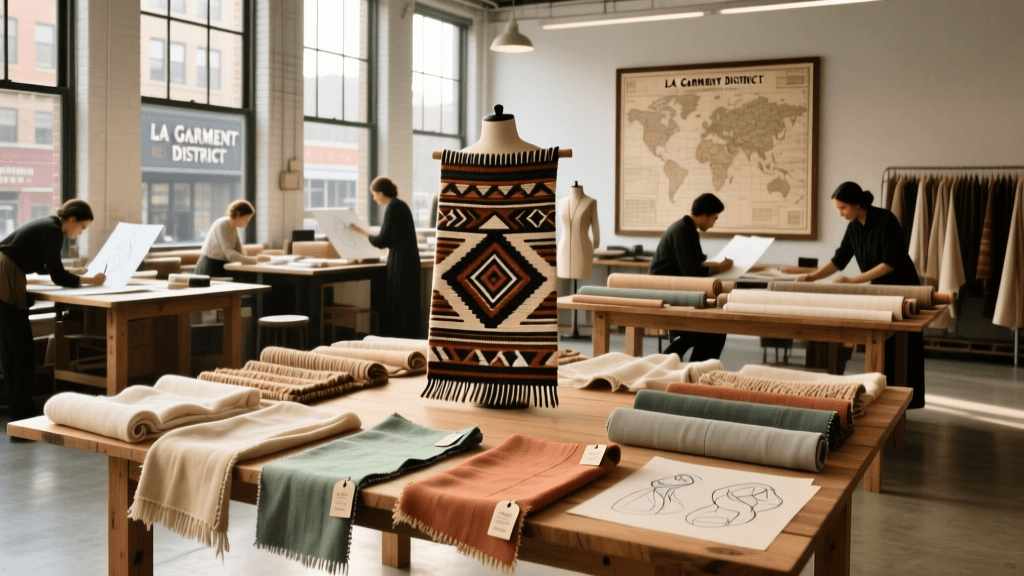
Historically centered in Midtown Manhattan between 34th and 42nd Streets, the NYC Garment District has evolved significantly by 2026. Driven by strict municipal zoning laws designed to preserve manufacturing space, the district remains a dense, walkable ecosystem of fabric jobbers, trim suppliers, and small-batch cut-and-sew operations. For creators of Indigenous and traditional North American garments, the NYC district is unparalleled for sourcing high-quality natural fibers and specialized notions.
Top NYC Sourcing Destinations for Traditional Garments
- Mood Fabrics (225 W 37th St): Still a towering institution in 2026, Mood offers an expansive selection of natural wools, heavy broadcloths, and cottons. It is a primary destination for sourcing the foundational fabrics used in Native American ribbon skirts, shirts, and historical trade-cloth reproductions. Their 2026 inventory system allows you to check real-time yardage via their proprietary app before visiting the crowded third floor.
- B&J Fabrics (525 7th Ave): Known for high-end apparel fabrics, B&J is an excellent resource for premium silks, linens, and lightweight wools. These materials are frequently utilized in high-fashion interpretations of traditional Latin American garments and delicate indigenous embroidery bases.
- Spandex House (263 W 38th St): Modern powwow regalia and competitive dance outfits often require specialized stretch fabrics for structural undergarments and dynamic movement. Spandex House provides the heavy-duty power meshes and four-way stretches necessary for contemporary traditional dancewear.
- Tinsel Trading & Trim Shops on 39th St: The side streets of the district are lined with trim vendors. Here, artisans source the metallic braids, heavy fringe, and specialized ribbons required for Southwestern and Plains-style traditional garments.
The LA Fashion District: Wovens, Denim, and Latin American Influences
Spanning over 100 blocks east of downtown Los Angeles, the LA Fashion District is the undisputed heavyweight of the West Coast. In 2026, Los Angeles has solidified its position as the nearshoring capital of the Americas, bridging the gap between North American design and Latin American manufacturing. The district is particularly vital for designers working with heavy wovens, canvas, denim, and vibrant cotton prints that echo Mesoamerican and Southwestern textile traditions.
Top LA Sourcing Destinations for Traditional Garments
- Michael Levine Inc. (912 S Maple Ave): A sprawling warehouse of textiles, Michael Levine is the go-to for bulk cottons, calicos, and flannel. The calico and small-print cottons found here are essential for creating traditional Navajo (Diné) and Pueblo-style skirts and dresses, as well as historical pioneer and frontier garments.
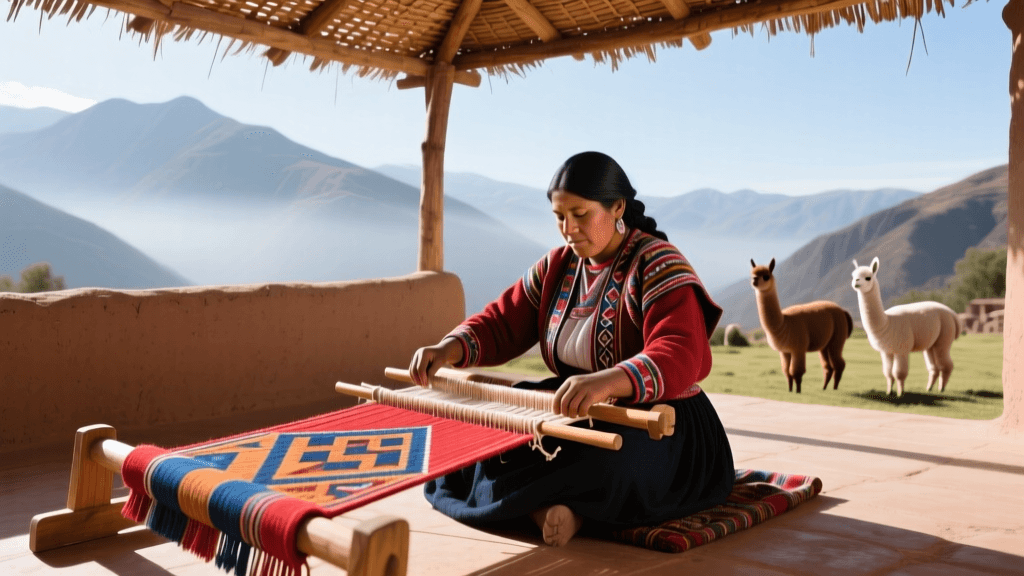
- The California Market Center (CMC): While primarily a wholesale showroom for finished apparel, the CMC in 2026 hosts numerous textile importers specializing in authentic, ethically sourced Latin American weavings. Designers can connect directly with importers bringing in Oaxacan Zapotec wool and Guatemalan Maya backstrap-loomed textiles.
- Maple Avenue Jobbers: The surrounding streets are filled with jobbers selling deadstock denim and heavy canvas. These durable fabrics are heavily utilized in modern indigenous workwear brands that blend traditional motifs with rugged, contemporary silhouettes.
Emerging American Hubs for Indigenous Textiles
While NYC and LA dominate the commercial fashion sector, 2026 has seen a massive rise in specialized regional hubs dedicated specifically to Indigenous and traditional American crafts.
Santa Fe and Albuquerque, New Mexico
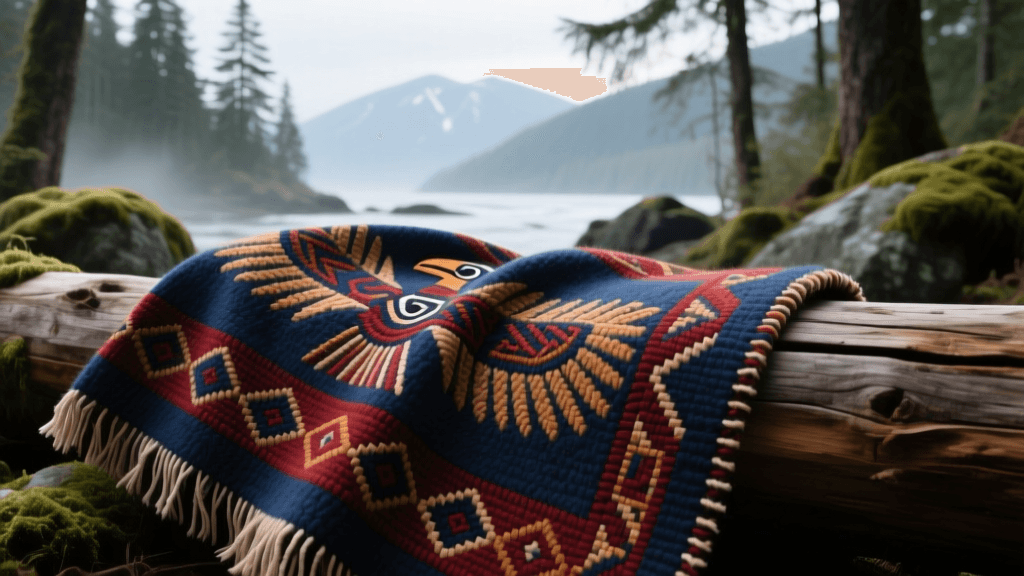
The Southwest remains the epicenter for authentic Native American textile arts. Santa Fe is home to specialized galleries and cooperatives where designers can source authentic hand-spun Churro wool, natural indigo dyes, and authentic Pueblo-woven sashes. In 2026, the integration of digital cooperatives has made it easier for outside designers to commission custom yardage directly from Native weavers, ensuring fair compensation and cultural preservation.
El Paso, Texas
Acting as a vital bridge between the US and Latin America, El Paso has become a crucial hub for importing traditional Mexican textiles. Specialized importers here focus on ethical supply chains, bringing in hand-embroidered Otomi panels, Saltillo serapes, and heavy manta cottons used in traditional folklorico dance costumes and everyday indigenous wear.
Ethical Sourcing: Appreciation vs. Appropriation
When sourcing materials for traditional and Indigenous garments in 2026, ethical considerations are paramount. The line between cultural appreciation and appropriation is strictly monitored by both consumers and regulatory bodies. Designers must ensure that the textiles they purchase, particularly those featuring sacred or culturally significant motifs, are sourced directly from Indigenous artisans or certified cooperatives.
The Indian Arts and Crafts Board (IACB), a division of the U.S. Department of the Interior, strictly enforces the Indian Arts and Crafts Act. This truth-in-advertising law prohibits misrepresentation in the marketing of Indian arts and crafts products within the United States. When buying printed fabrics in the NYC or LA districts that mimic Native American geometric patterns or Southwestern motifs, designers must be careful not to market the final garment as "Native American made" unless it meets the strict legal criteria of the Act. Sourcing authentic, unpatterned base fabrics from the garment districts and collaborating with Native beadworkers, quillworkers, or weavers for the decorative elements is the most respectful and legally sound approach in 2026.
NYC vs. LA: 2026 Garment District Comparison
| Feature | NYC Garment District | LA Fashion District |
|---|---|---|
| Primary Specialty | High-end natural fibers, luxury silks, specialized trims, and heritage notions. | Heavy wovens, denim, calicos, mass-market cottons, and Latin American imports. |
| Best For | Ribbon work bases, historical reproductions, high-fashion traditional wear, and regalia trims. | Everyday traditional garments, folklorico dancewear, indigenous workwear, and bulk sourcing. |
| Minimum Order (MOQ) | Generally low; many shops cater to designers and allow single-yard purchases. | Variable; warehouse jobbers often require 50+ yard minimums, though retail fronts exist. |
| 2026 Logistics | Highly walkable but congested; freight forwarding via local courier services is standard. | Sprawling; requires a vehicle or rideshare to navigate between Maple Ave and the CMC. |
| Sustainability Focus | Deadstock fabrics, upcycled vintage trims, and zero-waste pattern cutting services. | Waterless denim dyeing, organic cotton imports, and nearshored cut-and-sew manufacturing. |
Practical Tips for Navigating the Districts in 2026
To make the most of your sourcing trip, keep these modern logistical realities in mind:
- Digital Showroom Integration: In 2026, most major fabric houses in both NYC and LA utilize RFID-tagged inventory. Download the district-specific aggregation apps before your trip to map out exactly which floors and aisles hold the natural wools or calicos you need, saving hours of wandering.
- Cash vs. Digital Payments: While the industry has largely moved to digital and crypto-linked B2B payment portals, many legacy trim shops in NYC and smaller jobbers in LA still offer a 3% to 5% discount for cash or direct wire transfers on large bolt purchases.
- Freight and Shipping: Do not attempt to fly back with heavy bolts of wool or denim. Both districts are surrounded by specialized textile freight forwarders who can consolidate your purchases from multiple vendors and ship them via ground freight to your studio within 48 hours.
- Timing Your Visit: Avoid the first week of the month when wholesale showrooms are flooded with corporate buyers. Mid-month, specifically Tuesday through Thursday, offers the best opportunity to speak directly with floor managers and negotiate custom cuts for traditional garment projects.
Conclusion
The NYC and LA garment districts remain the beating heart of American textile sourcing in 2026. By understanding the unique strengths of each hub—from the heritage trims of Midtown Manhattan to the vibrant, heavy wovens of Downtown Los Angeles—designers and artisans can find the perfect foundational materials for their traditional and Indigenous garments. When paired with a strict adherence to ethical sourcing and a deep respect for the cultural origins of these textile traditions, these urban districts serve as vital bridges between historical craftsmanship and the future of American fashion.