NYC & LA Garment District Ethical Sourcing Guide 2026
The Evolution of American Fashion Hubs in 2026
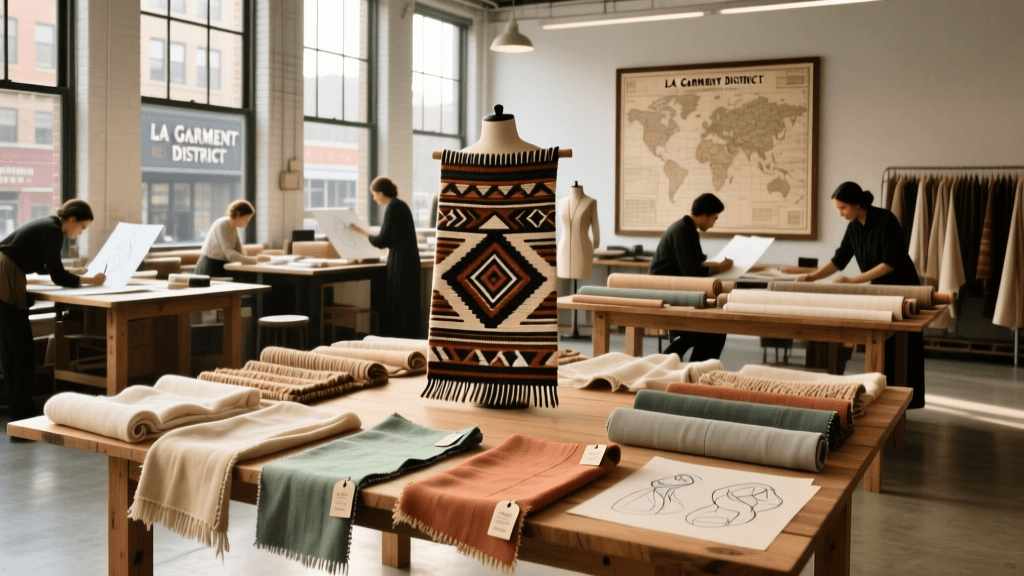
The landscape of American textile sourcing has undergone a radical transformation by 2026. For designers, cultural institutions, and traditional garment makers focusing on Americas and Indigenous apparel, navigating the major fashion districts requires more than just a keen eye for fabric. It demands an understanding of sustainable supply chains, ethical labor practices, and the integration of traditional artisan networks into urban manufacturing hubs. Whether you are sourcing heavy wool broadcloth for traditional Métis capotes, lightweight linens for Latin American guayaberas, or base materials for contemporary Indigenous streetwear, the New York City and Los Angeles garment districts remain the epicenters of North American textile commerce. However, the way we buy, negotiate, and verify the origins of these materials has fundamentally shifted.
In 2026, both coasts have embraced digital traceability. Fabric bolts now frequently feature QR codes linking to blockchain-verified supply chains, detailing the cotton farm, the mill, and the carbon footprint of the dyeing process. For creators of traditional and Indigenous garments, this transparency is vital. It ensures that the base materials respect both environmental standards and the cultural integrity of the final piece. This guide will walk you through the practicalities of sourcing in NYC and LA, highlight emerging hubs like Santa Fe, and provide actionable strategies for ethical Indigenous collaborations.
Navigating the NYC Garment District
Manhattan’s Garment District, roughly bounded by 34th and 42nd Streets between Fifth and Ninth Avenues, remains a dense, vertical labyrinth of fabric showrooms, trim suppliers, and sample makers. According to the official NYC Garment District BID, recent 2026 zoning protections have successfully preserved critical manufacturing and showroom spaces that were previously threatened by commercial real estate developers.
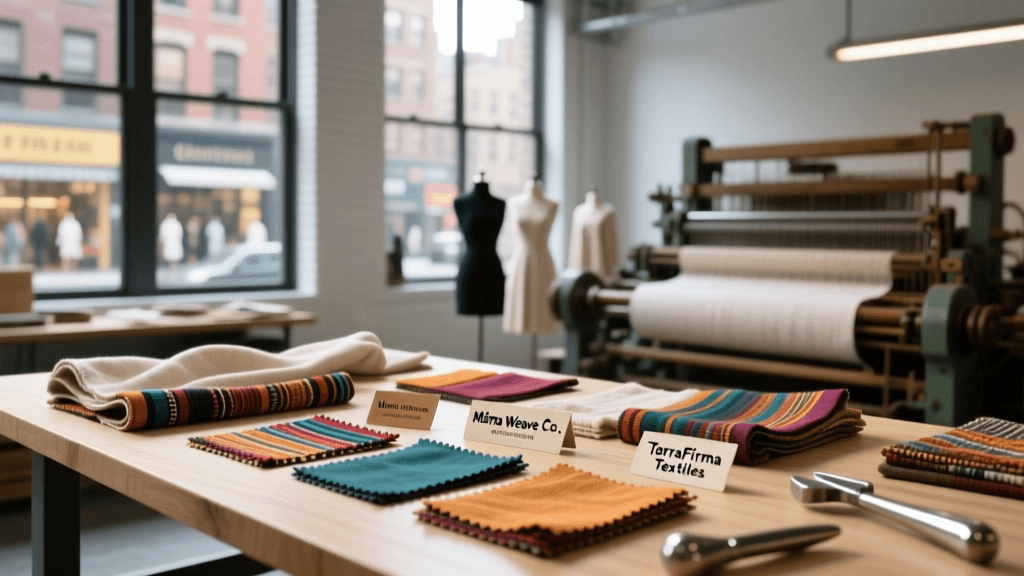
For traditional garment makers, the NYC district is unparalleled for sourcing high-quality wools, silks, and specialized trims. Stores like Mood Fabrics on West 37th Street and B&J Fabrics on Seventh Avenue offer vast selections of natural fibers essential for historical reproductions and high-end traditional regalia. In 2026, expect to encounter a hybrid retail model. While walk-in browsing is still permitted, many premier showrooms require a digital appointment booked via their proprietary apps, where you can pre-select sustainable fabric swatches before arriving.
Actionable Advice for NYC:
- Timing: Visit between Tuesday and Thursday, from 10:00 AM to 2:00 PM. Avoid Mondays when showrooms are restocking, and Fridays when wholesale buyers dominate the floor.
- Minimums: Most wholesale jobbers in 2026 enforce a one-roll minimum (typically 15 to 50 yards). However, many offer 'cuttings' (5-10 yards) at a 30% markup for independent designers and Indigenous artisans producing small-batch ceremonial wear.
- Trims and Beadwork Bases: Head to the upper 30s for specialized leather and heavy canvas suppliers, which are crucial for creating durable bases for traditional beadwork and quillwork.
The LA Fashion District: Deadstock, Denim, and Latin American Textiles
Downtown Los Angeles, centered around Pico Boulevard and Maple Avenue, operates with a distinctly different energy. The LA Fashion District in 2026 is the undisputed king of deadstock fabrics, sustainable denim, and imported Latin American textiles. With the full enforcement of California’s stringent textile waste and recycling mandates, LA jobbers have become masters of upcycling and circular fashion.
For designers focusing on Latin American traditional garments or contemporary Chicano and Indigenous streetwear, the Maple Avenue corridors offer unparalleled access to vibrant cottons, embroidered lace (guipure), and heavy-duty canvas. Furthermore, the district has seen a surge in pop-up markets featuring Oaxacan and Guatemalan weavers who partner with LA-based distributors to bring authentic, hand-loomed textiles to the West Coast market.
Actionable Advice for LA:
- Cash is Still King (Sometimes): While digital payments are standard, many smaller Maple Avenue jobbers still offer a 10-15% discount for cash transactions on deadstock remnants.
- Deadstock Hunting: Ask specifically for 'mill ends' or 'overruns.' These are leftover fabrics from major contemporary brands, often sold at 60-80% off the original wholesale price. They are perfect for lining traditional ribbon shirts or creating limited-run Indigenous fashion capsules.
- Verify Origins: When buying imported Latin American textiles, request the customs documentation or supplier certificates to ensure the fabrics were produced in cooperatives that pay fair living wages, rather than mass-produced knock-offs.
Ethical Sourcing and Indigenous Collaborations
A critical aspect of sourcing in 2026 is ensuring that garments labeled as 'Native American' or 'Indigenous-inspired' comply with federal laws and ethical standards. The Indian Arts and Crafts Board (IACB) strictly enforces the Indian Arts and Crafts Act, which prohibits misrepresenting goods as being produced by Native Americans when they are not.
When sourcing from urban garment districts, designers must be vigilant. Buying a fabric with a 'Southwestern' or 'Navajo-style' print from a fast-fashion wholesaler and marketing it as Indigenous is both illegal and culturally harmful. Instead, use the NYC and LA districts to source high-quality, unbranded base materials (like organic cotton, linen, and wool), and then collaborate directly with verified Indigenous artisans for the application of traditional techniques.
For example, a designer might source premium melton wool from a NYC showroom, then contract a verified Diné (Navajo) weaver or a Métis beadworker to create the ornamental elements. In 2026, several fashion incubators in both NYC and LA have established formal matchmaking databases, connecting urban pattern-makers with rural Indigenous artisans. These platforms ensure fair compensation, protect intellectual property, and maintain the cultural sanctity of traditional regalia and ceremonial garments.
Emerging Hubs: Santa Fe and the Southwest
While NYC and LA dominate volume, Santa Fe, New Mexico, has solidified its position by 2026 as the premier hub for authentic Indigenous textile arts. Driven by the massive economic impact of the annual Santa Fe Indian Market and a growing year-round infrastructure for Native fashion, Santa Fe offers direct access to artisans without the middlemen of coastal fashion districts.
Here, sourcing is less about buying rolls of commercial fabric and more about commissioning hand-woven textiles, naturally dyed yarns, and traditionally tanned leathers. Designers focusing on high-end, culturally authentic Americas apparel frequently travel to Santa Fe to build direct relationships with Pueblo and Diné artisans. The city's strict authenticity guidelines and deep community ties make it the safest and most ethical environment for sourcing Indigenous-made materials.
2026 Sourcing Comparison Chart
| Hub | Primary Focus | Avg. Minimum Order | Best For | Estimated Base Cost (per yard) |
|---|---|---|---|---|
| NYC Garment District | Premium wools, silks, specialized trims | 15-50 yards (Roll) | Historical reproductions, high-end regalia bases | $18 - $65+ |
| LA Fashion District | Deadstock, denim, Latin American cottons | 5-20 yards (Remnants) | Streetwear, ribbon shirts, upcycled fashion | $6 - $25 |
| Santa Fe, NM | Hand-woven textiles, natural dyes, leather | Commission-based (1-5 pieces) | Authentic Indigenous collaborations, luxury art-wear | $150 - $500+ (Artisan rate) |
Actionable Tips for First-Time Buyers
Whether you are visiting the bustling aisles of Maple Avenue or the quiet, appointment-only showrooms of Midtown Manhattan, preparation is your greatest asset. First, always carry a physical 'header' or a large swatch of the exact fabric you are trying to match or complement; digital photos on a phone screen are notoriously unreliable under the harsh fluorescent lighting of wholesale floors.
Second, familiarize yourself with the terminology of the trade. Ask for 'cuttings' rather than 'small amounts,' and inquire about 'dye lots' to ensure color consistency if you plan to return for more yardage later in the season. Finally, leverage the California Department of Resources Recycling and Recovery guidelines if you are sourcing in LA; many jobbers now offer certified 'zero-waste' bundles that are not only environmentally responsible but also heavily subsidized by local green business grants, allowing you to purchase premium deadstock at a fraction of the cost.
By understanding the distinct rhythms, regulations, and ethical imperatives of these American fashion hubs, designers and cultural preservationists can source materials that honor both the earth and the rich, diverse heritage of the Americas.