Ojibwe Jingle Dress Regalia Crafting & Powwow Guide 2026
The Rhythm of Healing: An Introduction to the Jingle Dress
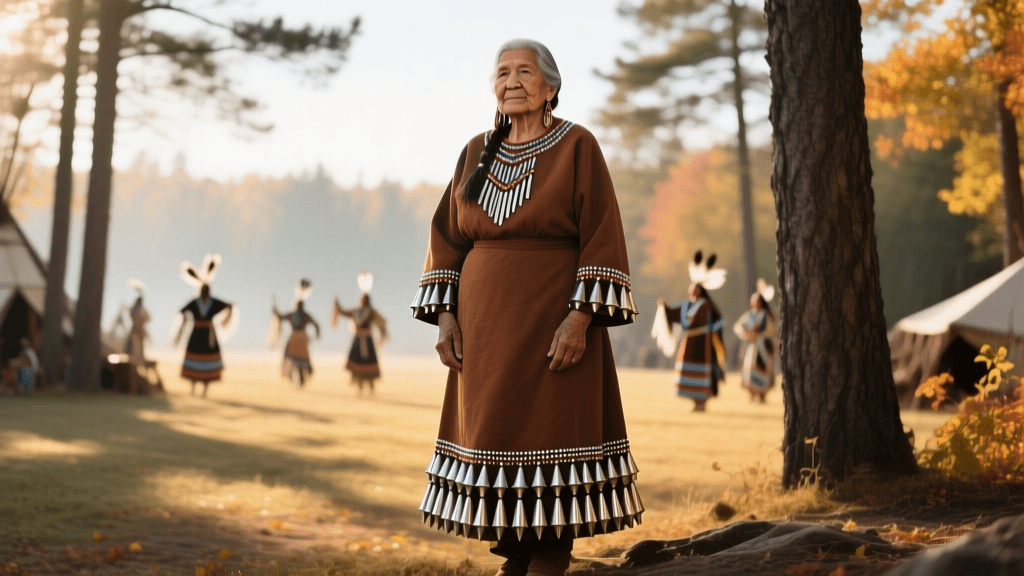
The rhythmic, cascading shhh-shhh of metal cones striking one another is one of the most recognizable and spiritually profound sounds at any North American powwow. The Jingle Dress, known in the Ojibwe language as ziibaaska'igan, is far more than a beautiful garment; it is a living, breathing medicine. As we navigate the 2026 powwow season, the Jingle Dress dance continues to evolve, blending deep-rooted Anishinaabe traditions with contemporary crafting techniques, sustainable material sourcing, and modern arena protocols.
For artisans, dancers, and cultural enthusiasts, understanding the construction, history, and etiquette surrounding the Jingle Dress is essential. Whether you are an Indigenous crafter looking to source the best copper cones in 2026, or a powwow attendee wanting to respectfully observe the dance, this comprehensive guide covers everything you need to know about this sacred regalia.
The Sacred Origins of the Jingle Dress
The origins of the Jingle Dress trace back to the Ojibwe (Anishinaabe) people of the Great Lakes region, specifically the White Earth Nation in Minnesota, during the early 20th century. According to oral histories documented by cultural archivists, the dress was born from a vision during a time of great sickness, often associated with the 1918 influenza pandemic. A medicine man, grieving the severe illness of his granddaughter, received a vision in his sleep of a dress adorned with metal cones that would bring healing when danced in a specific way.
Upon waking, he and his wife crafted the first dress using rolled snuff can lids. When the granddaughter danced in the dress, she recovered, and the Jingle Dress was established as a powerful healing ceremony. Over the decades, the dance spread from the Ojibwe to the Lakota, Dakota, and other Plains and Woodland tribes. Today, archives maintained by the Minnesota Historical Society hold some of the earliest photographic and textile records of these original garments, highlighting the transition from utilitarian recycled metals to the specialized regalia components used today.
Anatomy of the Regalia: 2026 Material Guide
Crafting a Jingle Dress in 2026 requires a blend of traditional knowledge and adaptation to modern textile markets. With global supply chain shifts and a growing emphasis on Indigenous sustainability, artisans are making deliberate choices about their fabrics and hardware.
Fabric and Appliqué
Historically, Jingle Dresses were made from heavy wool broadcloth or cotton. In 2026, while traditional wool is still highly prized for its durability and drape, many dancers opt for high-quality cotton-polyester blends or breathable rayon that withstands the intense heat of summer powwow arenas. The dress is typically adorned with intricate ribbon appliqué, representing floral or geometric patterns native to the dancer's specific tribe or family lineage.
The Ziibaaska'iganan (Jingles)
The jingles themselves are the heartbeat of the dress. Traditionally made from the lids of Prince Albert tobacco tins or snuff cans, modern jingles are commercially stamped from copper, brass, or stainless steel. In 2026, there is a massive resurgence in hand-rolled copper jingles, prized for their warmer, deeper acoustic resonance compared to factory-stamped aluminum. Sourcing ethical, responsibly mined copper has become a priority for many top-tier regalia makers this year.
2026 Material Sourcing and Cost Breakdown
Below is a structured guide to the materials required for a standard adult Jingle Dress, reflecting 2026 market prices and sourcing trends.
| Material Component | Traditional / Historical Choice | 2026 Modern Standard | Estimated 2026 Cost |
|---|---|---|---|
| Base Fabric (7-10 yards) | Wool Broadcloth | Cotton/Poly Blend or Rayon | $12 - $28 per yard |
| Jingles (300-400 pcs) | Rolled Snuff Can Lids | Stamped Copper or Brass | $45 - $75 per hundred |
| Ribbon for Appliqué | Silk or Cotton Ribbon | Satin / Polyester Double-Faced | $4 - $9 per spool |
| Cone Ties (Sinew/Leather) | Deer Hide Strips | Waxed Heavy-Duty Sinew | $15 - $25 per spool |
| Decorative Accents | Porcupine Quills / Shells | Seed Beads / Sequins | $10 - $40 per ounce |
Step-by-Step Construction and Cone Placement
The construction of a Jingle Dress is a meticulous process that can take hundreds of hours. The dress is typically a simple, T-shaped or A-line shift dress, allowing for maximum movement and ensuring the jingles hang freely without catching on the dancer's legs.
The Rule of 365
A widely respected tradition dictates that a Jingle Dress should contain exactly 365 jingles—one for every day of the year. While some modern competition dresses may feature more for visual density, or fewer for children's dresses, the 365 standard remains a spiritual benchmark. The jingles are arranged in horizontal rows, typically staggered so that the cones overlap slightly, creating a continuous wave of sound when the dancer moves.
Tying the Cones
Each jingle must be individually tied to the fabric. Artisans use a heavy waxed sinew or thin leather strip, threading it through the small hole at the top of the cone. The knot must be incredibly secure; a lost jingle on the powwow arena floor is not just a wardrobe malfunction, but a disruption of the dress's medicine. In 2026, many crafters use a double-loop locking stitch, sealing the knot with a micro-drop of flexible fabric adhesive to ensure the cones survive the aggressive footwork of modern competition dancing.
Powwow Arena Etiquette and Protocols for 2026
As the powwow circuit expands in 2026, with major events like the Gathering of Nations and Anishinaabe Days drawing tens of thousands of spectators, understanding arena etiquette is critical. The Jingle Dress is a healing dress, and the women who wear it carry a profound responsibility. Cultural commentators at ICT (formerly Indian Country Today) frequently highlight the importance of educating both Native and non-Native attendees on proper powwow protocols to ensure these sacred spaces remain respected.
Dance Footwork and Style
The traditional Jingle Dress dance is characterized by its grace and proximity to the earth. The dancer's feet never cross; instead, she uses a rhythmic side-step or a forward-and-back stepping motion. The goal is to keep the hem of the dress moving in a continuous, rolling wave, ensuring all the jingles strike each other in unison. In recent years, a 'fancy' or contemporary style has emerged among younger dancers, featuring higher kicks and faster spins, but the traditional, grounded footwork remains the most revered in ceremonial contexts.
Spectator Rules and Respect
If you are attending a powwow in 2026, you must adhere to strict etiquette regarding regalia. The Smithsonian National Museum of the American Indian emphasizes that regalia is not a 'costume' but a sacred, deeply personal expression of identity and spirituality.
- Never Touch the Regalia: Never touch a dancer's dress, jingles, or accessories without explicit permission. The oils from human hands can tarnish copper and damage delicate fabrics.
- Photography Protocols: Always ask before taking close-up photographs. During specific ceremonial songs, such as the Veterans Honor Songs or certain healing dances, photography and audio recording are strictly prohibited.
- Dropped Items: If a dancer drops a jingle, feather, or any part of their regalia, do not pick it up. In many traditions, a dropped item must be retrieved by a specific elder or ceremony conductor who knows the proper spiritual protocol for returning it to the dancer.
- Arena Boundaries: Never cross the arena boundary line while a dance is in progress, and never walk between a dancer and the drum group.
Conclusion: Preserving the Medicine
The Jingle Dress remains one of the most powerful symbols of Indigenous resilience, healing, and artistic brilliance. As we move through 2026, the dedication of Ojibwe and pan-Indigenous artisans ensures that the dress continues to evolve without losing its sacred core. Whether you are meticulously hand-tying your 365th copper cone or standing respectfully at the edge of the arena listening to the cascading rain of metal, the Jingle Dress offers a profound connection to the ancestors and a vibrant prayer for the future.