Jingle Dress Regalia Guide 2026: Materials, Costs & Crafting
The Living Tradition of the Jingle Dress
The Jingle Dress, widely revered as a healing dress or medicine dress, remains one of the most visually and acoustically striking traditions in Native American powwow culture. Originating from the Ojibwe (Anishinaabe) people in the early 20th century, the dance and its accompanying regalia were born from a vision of healing during a time of widespread illness. Today, as we navigate the 2026 powwow circuit—from the massive Gathering of Nations to regional tribal gatherings—the jingle dress continues to serve as a powerful conduit for prayer, community medicine, and cultural resilience.
For Indigenous artisans, dancers, and allies looking to understand or construct this sacred garment, the process requires deep respect, precise craftsmanship, and an understanding of both historical techniques and modern material innovations. This comprehensive guide explores the materials, construction methods, and 2026 market costs associated with creating a complete, powwow-ready jingle dress regalia.
Essential Materials for 2026 Regalia Construction
Creating a jingle dress is a labor-intensive endeavor that demands high-quality materials capable of withstanding the rigorous movement of the dance and the substantial weight of hundreds of metal cones. While traditionalists may still honor the origins of the dress by using cotton calico or broadcloth, the extreme heat of summer powwow seasons has shifted material preferences in 2026.
Fabric Selection and Yardage
A standard adult jingle dress requires between 7 to 10 yards of fabric, depending on the dancer's height and the desired fullness of the skirt. In 2026, many dancers opt for high-quality rayon-linen blends or lightweight, moisture-wicking natural fiber blends. These fabrics provide the necessary matte finish and traditional drape of cotton broadcloth but offer superior breathability and resistance to wrinkling during long travel days. Solid colors like deep red, navy, emerald green, and black remain popular, often serving as a canvas for vibrant ribbon appliqué work.
Sourcing Authentic Metal Jingles (Cones)
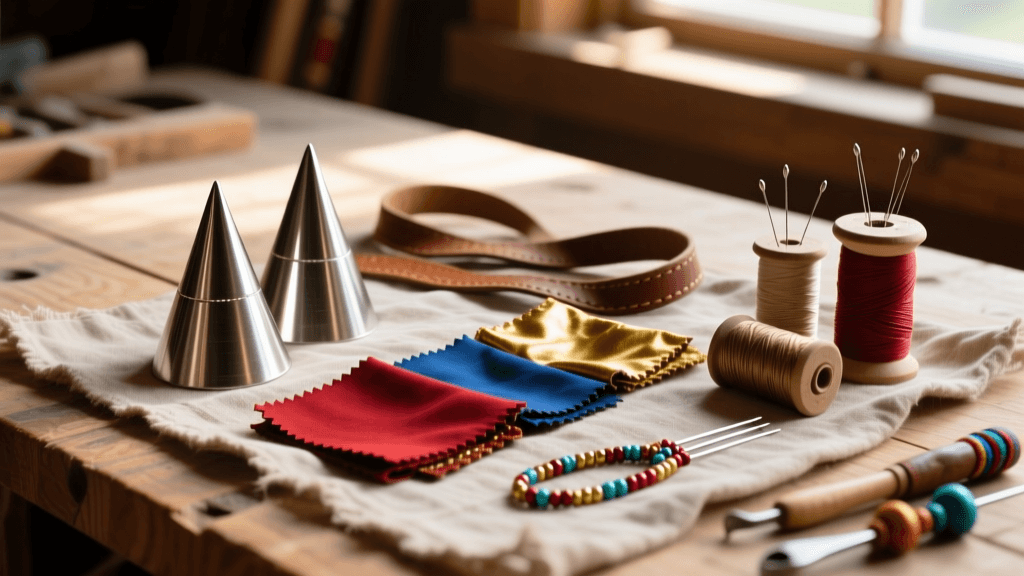
The defining feature of the regalia is the 'jingle'—the metal cones that strike one another to create the signature sound of falling rain. Historically, these were hand-rolled from the lids of snuff cans. Today, while some elders and traditionalists still hand-roll their own cones from sheet metal or recycled copper, most dancers purchase pre-manufactured jingles. When sourcing jingles in 2026, you will generally encounter three materials:
- Aluminum: Lightweight, affordable, and produces a bright, high-pitched sound. Ideal for younger dancers or those seeking a lighter garment.
- Galvanized Tin: The most common and traditional-sounding option, offering a balanced, resonant 'rain' sound with moderate weight.
- Copper and Brass Alloys: Premium options that provide a deeper, warmer acoustic profile and a beautiful natural patina over time, though they are heavier and more expensive.
An adult dress typically requires between 300 and 500 cones. It is crucial to purchase from verified Native American artisans and suppliers to ensure authenticity and support the Indigenous economy. The Indian Arts and Crafts Board provides excellent resources and directories for finding authentic Native-made crafting supplies and ensuring compliance with the Indian Arts and Crafts Act.
2026 Cost Breakdown: Budgeting for a Complete Dress
Understanding the financial investment required for a complete regalia set is essential for dancers and their families. Prices for raw materials, particularly metals and specialized textiles, have fluctuated over the past few years. Below is a detailed breakdown of the estimated costs for sourcing materials to build a high-quality, adult-sized jingle dress in 2026.
| Material Category | Specifications & Quantity | 2026 Estimated Cost (USD) |
|---|---|---|
| Primary Fabric | 7-10 yards (Rayon-linen blend or Broadcloth) | $140 - $280 |
| Metal Jingles | Box of 500 (Galvanized Tin or Copper) | $200 - $450 |
| Ribbon & Appliqué | 3/8-inch and 1-inch satin/grosgrain ribbons (30+ yards) | $80 - $150 |
| Thread & Needles | Heavy-duty polyester thread & Size 16 denim needles | $35 - $60 |
| Leather Lacing | 1/8-inch deer or elk hide lacing for cone attachment | $40 - $75 |
| Accessories (Beadwork) | Beaded belt, purse, and moccasin materials (Size 13/0 seed beads) | $250 - $600 |
| Total Estimated Cost | Complete DIY Regalia Set | $745 - $1,615 |
Note: Purchasing a fully completed, custom-beaded jingle dress from a master seamstress and beadworker in 2026 typically ranges from $2,500 to over $5,000, reflecting hundreds of hours of specialized labor.
Step-by-Step Construction and Layout Techniques
The construction of a jingle dress requires advanced sewing skills, particularly regarding weight distribution and reinforcement. A fully loaded dress can weigh between 10 to 15 pounds, placing immense stress on the shoulders, waistline, and seams.
1. Pattern Drafting and Cutting
Most seamstresses use a modified commercial pattern or draft a custom pattern based on the dancer's exact measurements. The dress typically features a high neckline, long sleeves, and a flared skirt that allows for the specific, grounded footwork of the jingle dance. When cutting the fabric, add an extra 1.5 inches to all seam allowances to accommodate heavy-duty finishing techniques like flat-felled seams, which prevent fraying and add structural integrity.
2. Preparing and Attaching the Jingles
If you are using pre-rolled jingles, they will come with a small hole at the top. The traditional method of attachment involves threading a piece of 1/8-inch leather lacing or heavy waxed cotton thread through the hole, tying it securely, and then sewing the lace directly into the fabric. Do not sew the metal cones directly onto the dress using a sewing machine, as this will break your needles and damage the machine.
For the layout, the cones are traditionally arranged in horizontal rows or V-shaped patterns. The spacing is critical: cones should be placed approximately 1.5 to 2 inches apart. If they are too close, they will tangle and muffle the sound; if they are too far apart, they will not strike one another to create the 'rain' effect. As noted by dance historians and resources like Powwows.com, the acoustic harmony of the dress is just as important as its visual beauty.
3. Reinforcement and Ribbonwork
Before attaching the jingles, the base dress must be reinforced. Use a walking foot on your heavy-duty sewing machine and size 100/16 denim or leather needles. Apply 3/8-inch double-fold bias tape or grosgrain ribbon to the inside of the waistline and shoulder seams to act as a stay, preventing the fabric from stretching under the weight of the metal. Once the structural sewing is complete, the exterior is decorated with intricate ribbon appliqué. In 2026, geometric Ojibwe floral patterns and diamond motifs remain highly popular, often utilizing contrasting colors to make the dancer stand out in the arena.
Powwow Protocol and Wearing Your Regalia
The jingle dress is not merely a performance costume; it is a sacred medicine garment. Understanding the protocol surrounding the regalia is just as important as knowing how to sew it. According to cultural guidelines upheld by tribal elders and documented by institutions like the Smithsonian National Museum of the American Indian, the dress must be treated with profound respect.
Arena Etiquette
When dancing in the arena, jingle dancers keep their feet close to the ground, executing a rhythmic, syncopated step that allows the cones to sway and strike. The dancer should maintain a modest, grounded posture. If a jingle falls off during a dance, protocol dictates that another dancer or an arena director must pick it up. The dancer who dropped it is often required to offer a small gift, such as tobacco or a monetary donation, to the person who retrieves it, acknowledging the disruption of the medicine.
Storage and Care
Never store a jingle dress crumpled in a plastic bag, as this can cause the metal cones to rust and the fabric to mildew. In 2026, many dancers invest in specialized, breathable canvas regalia bags with padded hangers. The dress should be hung in a cool, dry place, and the cones should be periodically wiped down with a dry microfiber cloth to remove sweat and arena dust. If the dress features intricate beadwork on the bodice or belt, store those pieces flat in acid-free tissue paper to prevent the thread from degrading under the tension of gravity.
Conclusion
Crafting and wearing a jingle dress is a profound commitment to Ojibwe heritage and the broader Native American powwow community. By investing in high-quality materials, mastering the structural sewing techniques required to support the garment's weight, and adhering to the sacred protocols of the dance arena, you ensure that the healing song of the jingles will continue to resonate for generations to come. Whether you are rolling your own copper cones or carefully spacing galvanized tin across a rayon-linen skirt, the medicine of the dress lies in the intention, respect, and love woven into every seam.