Authentic Oaxacan Zapotec Backstrap Weaving in 2026
The Living Heritage of Zapotec Backstrap Weaving
In the vibrant cultural landscape of Latin America, few textile traditions command as much respect and fascination as the Zapotec backstrap weaving of Oaxaca, Mexico. As we navigate the global fashion and textile markets in 2026, the demand for sustainably produced, ethically sourced, and culturally significant garments has reached an all-time high. Discerning collectors, interior designers, and conscious consumers are increasingly turning away from mass-produced fast fashion, seeking instead the profound historical resonance and unmatched craftsmanship of indigenous textile arts. The Zapotec weavers of Oaxaca, whose techniques have been passed down through millennia, are at the forefront of this artisanal renaissance.
According to cultural preservation frameworks outlined by organizations like the UNESCO Intangible Cultural Heritage initiatives, traditional weaving is not merely a method of fabric production; it is a complex language of identity, cosmology, and community survival. In 2026, the intersection of ancestral knowledge and modern fair-trade cooperatives has created a robust ecosystem that protects these artisans while allowing their work to reach a global audience. This comprehensive guide explores the mechanics of the backstrap loom, the 2026 landscape of natural dyeing, and how to ethically source authentic Zapotec textiles today.
Anatomy of the Telar de Cintura (Backstrap Loom)
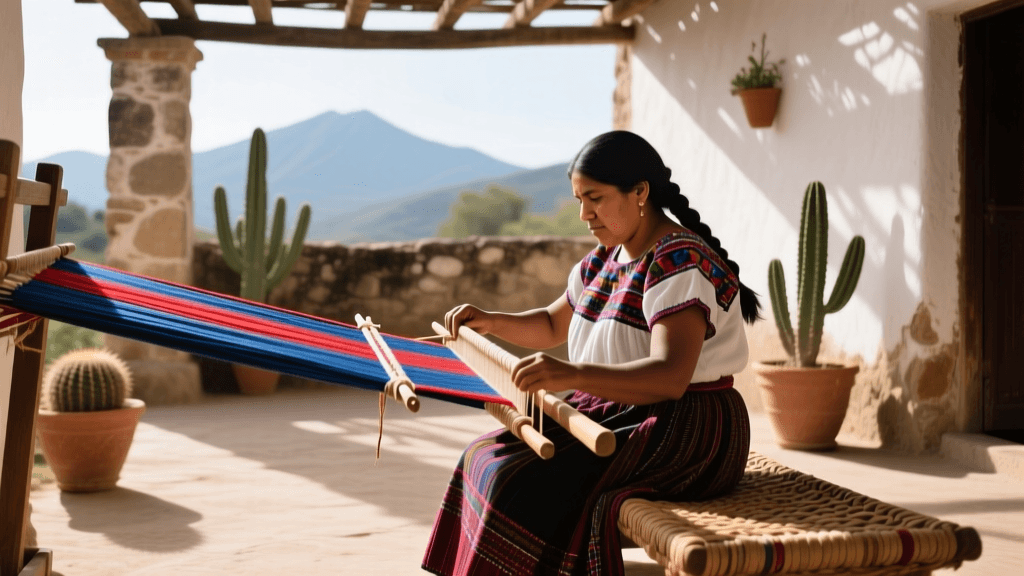
The telar de cintura, or backstrap loom, is a pre-Columbian technology that relies on the weaver’s own body to create the tension necessary for weaving. Unlike the large, stationary pedal looms (telar de pedal) introduced by the Spanish in the 16th century—which are primarily used for heavy wool rugs in towns like Teotitlán del Valle—the backstrap loom is highly portable and intimately connected to the weaver's physical movements. It is predominantly used for creating intricate cotton garments, rebozos (shawls), and ceremonial huipiles.
The loom consists of several key components, traditionally carved from local hardwoods:
- Enjulio (Warp Beam): The top stick that is tied to a sturdy post, tree, or ceiling beam, holding the unwoven warp threads.
- Enjulillo (Cloth Beam): The bottom stick that is attached to the weaver via a leather or woven strap that wraps around the lower back.
- Lizos (Heddles): A complex system of string loops that lift alternating warp threads to create the shed (the space through which the weft thread passes).
- Espada (Batten/Sword): A flat, polished wooden blade used to beat the weft thread tightly into place, determining the density and durability of the fabric.
In 2026, master weavers emphasize that the backstrap loom requires immense core strength and spinal endurance. The weaver controls the tension of the warp threads simply by leaning forward or backward. This bodily connection means that no two handwoven pieces are exactly alike; the subtle variations in tension reflect the weaver’s breathing, posture, and physical rhythm on any given day.
The 2026 Renaissance of Natural Dyes
One of the most significant shifts in the Latin American textile market over the last decade has been the aggressive phase-out of toxic, synthetic aniline dyes in favor of ancestral natural dyeing techniques. By 2026, prestigious artisan cooperatives and independent dyers in Oaxaca have perfected the chemistry of natural pigments, yielding colors that are not only environmentally benign but also remarkably colorfast.
The Smithsonian Center for Folklife and Cultural Heritage has extensively documented the intricate biochemistry required to extract these colors, a process that requires deep ecological knowledge of the local Oaxacan flora and fauna.
Cochineal (Grana Cochinilla)
The most famous of all Oaxacan dyes is cochineal, a brilliant crimson pigment derived from the Dactylopius coccus scale insect that feeds on the nopal (prickly pear) cactus. The insects are carefully harvested, dried, and ground into a fine powder. The magic of cochineal lies in its pH sensitivity. By altering the mordant or the acidic environment of the dye bath, master dyers in 2026 can extract a vast spectrum of colors from a single insect:
- Deep Crimson: Achieved using a neutral water base with an alum mordant.
- Vibrant Orange: Created by adding acidic lime juice to the dye bath.
- Rich Purple/Maroon: Produced by introducing an alkaline substance, such as baking soda or wood ash, to shift the pH.
Indigo (Añil) and Marigold (Cempasúchil)
Natural indigo, derived from the leaves of the Indigofera suffruticosa plant, requires a complex fermentation process to reduce the pigment and make it water-soluble. In 2026, sustainable dye houses utilize natural fructose or henna to maintain the alkaline, oxygen-depleted vat required for indigo dyeing, completely avoiding the harsh chemical reducers used in commercial denim production. When the yarn is pulled from the yellow-green vat and exposed to the air, it oxidizes into a deep, permanent blue. Meanwhile, the vibrant yellows and golds are sourced from cempasúchil (Mexican marigold) and pecan shells, rounded out by the deep browns of oak bark and the soft greens of wild mint.
2026 Fair-Trade Pricing and Market Guide
Understanding the true value of handwoven textiles is critical for ethical purchasing. The Mexican Ministry of Culture continually advocates for the protection of artisan intellectual property and fair compensation. When buying directly from cooperatives or certified fair-trade galleries in 2026, consumers should expect to pay prices that reflect the hundreds of hours of labor involved in spinning, dyeing, and weaving.
Below is a guide to the average fair-trade market prices for authentic, naturally dyed, backstrap-woven Zapotec textiles in 2026:
| Textile Type | Dimensions | Estimated Weaving Time | 2026 Fair-Trade Price (USD) |
|---|---|---|---|
| Faja (Ceremonial Belt) | 10 x 150 cm | 1 - 2 Weeks | $60 - $95 |
| Rebozo (Cotton Shawl) | 70 x 200 cm | 3 - 5 Weeks | $220 - $350 |
| Huipil (Traditional Tunic) | 60 x 90 cm (per panel) | 2 - 4 Months | $400 - $750 |
| Camino de Mesa (Table Runner) | 35 x 180 cm | 2 - 3 Weeks | $150 - $220 |
Note: Prices vary based on the complexity of the brocade patterns (supplementary weft) and the rarity of the natural dyes used. Textiles featuring intricate, double-sided brocade or entirely dyed with wild-harvested indigo will command the higher end of the price spectrum.
How to Identify Authentic Handwoven Textiles
As the global appetite for 'boho-chic' and indigenous-inspired aesthetics grows, so does the market for machine-made imitations imported from overseas. To ensure you are purchasing an authentic Zapotec backstrap-woven textile in 2026, look for the following hallmarks of human craftsmanship:
- The Selvage Edge: On a backstrap loom, the edges of the fabric (selvage) are naturally finished and incredibly tight. If the edges are serged, stitched with a modern sewing machine, or fraying unevenly, the piece was likely cut from a larger bolt of machine-woven fabric.
- Irregularities in the Weft: Look closely at the horizontal threads. Hand-spun and hand-woven yarn will have slight variations in thickness. The beat of the espada (batten) will also leave microscopic variations in the tightness of the weave, which is a signature of human labor.
- The Scent of Natural Dyes: Synthetic dyes often carry a faint chemical or metallic odor, especially when new or slightly damp. Authentic natural dyes smell earthy. Cochineal may have a faint, dusty scent, while indigo and marigold retain the subtle, organic aroma of fermented plants and flowers.
- Brocade vs. Embroidery: Traditional Zapotec designs are often woven directly into the fabric using a supplementary weft technique (brocade), meaning the pattern is integrated into the structure of the cloth and is visible on both sides (though sometimes reversed). If the design is stitched onto the surface of a plain fabric, it is embroidery, which is a different technique entirely.
Regional Hubs: Where to Source in 2026
Oaxaca is a vast state with distinct textile micro-climates. Knowing which towns specialize in which techniques is essential for the serious collector or ethical buyer.
Santo Tomás Jalieza: Known as the 'Town of Sashes,' this community is famous for its backstrap-woven cotton fajas (belts) and table runners. The weavers here have adapted ancestral motifs to suit modern home decor while maintaining strict adherence to hand-spinning and natural dyeing cooperatives.
San Antonino Castillo Velasco: This town is renowned for its incredibly fine, gossamer-like cotton weaving and intricate hazme si puedes (make me if you can) embroidery. While they utilize both backstrap and pedal looms, their mastery of ultra-fine cotton thread makes their garments highly sought after in 2026.
Teotitlán del Valle: While primarily famous for heavy wool rugs woven on Spanish-introduced pedal looms, the Zapotec weavers here are the undisputed masters of natural dye chemistry. If you are looking for large-scale tapestries and floor coverings dyed with cochineal and indigo, this is the premier destination, provided you buy directly from family workshops rather than middlemen.
Conclusion: Weaving the Future
The survival of Oaxacan Zapotec backstrap weaving in 2026 is a testament to the resilience and adaptability of indigenous artisans. By choosing to invest in authentic, naturally dyed, and ethically sourced textiles, consumers do more than acquire a beautiful garment; they actively participate in the preservation of a living heritage. As the global textile industry continues to grapple with its environmental impact, the ancestral wisdom of the Zapotec weavers offers a brilliant, sustainable blueprint for the future of fashion and design.