LDS Temple Garments 2026: Religious Meaning & Styles
The Sacred Textile: Understanding the LDS Temple Garment
For members of The Church of Jesus Christ of Latter-day Saints, the temple garment is far more than a simple piece of underclothing. It is a profound, deeply personal symbol of faith, a constant physical reminder of sacred covenants made in the temple, and a unique textile tradition that spans the globe. As we navigate the cultural and religious landscape of 2026, the garment continues to evolve in its design and accessibility, while its core theological significance remains entirely unchanged. For textile historians, cultural anthropologists, and members alike, understanding the intersection of this sacred apparel with daily life across the Americas offers a fascinating glimpse into modern religious devotion.
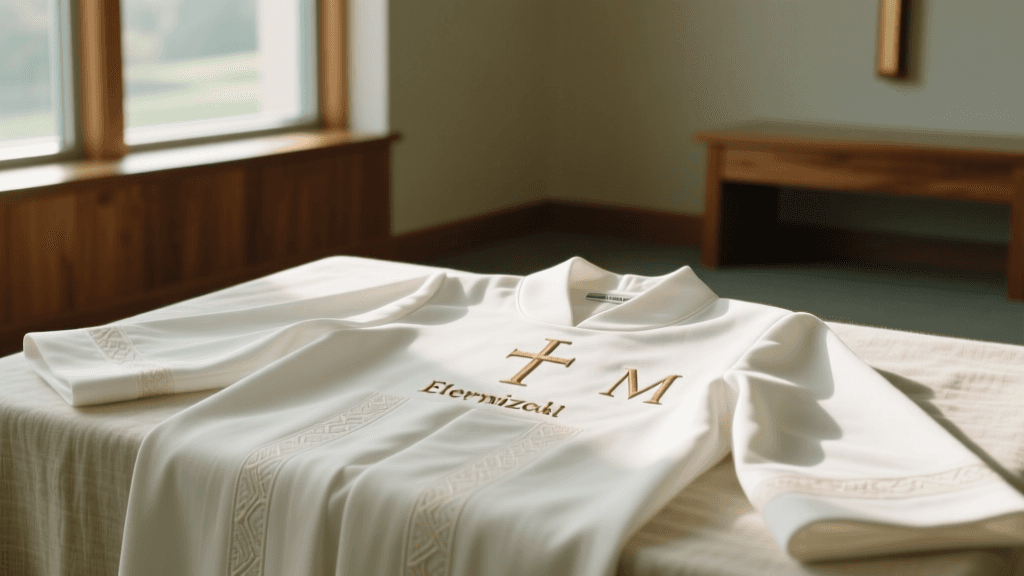
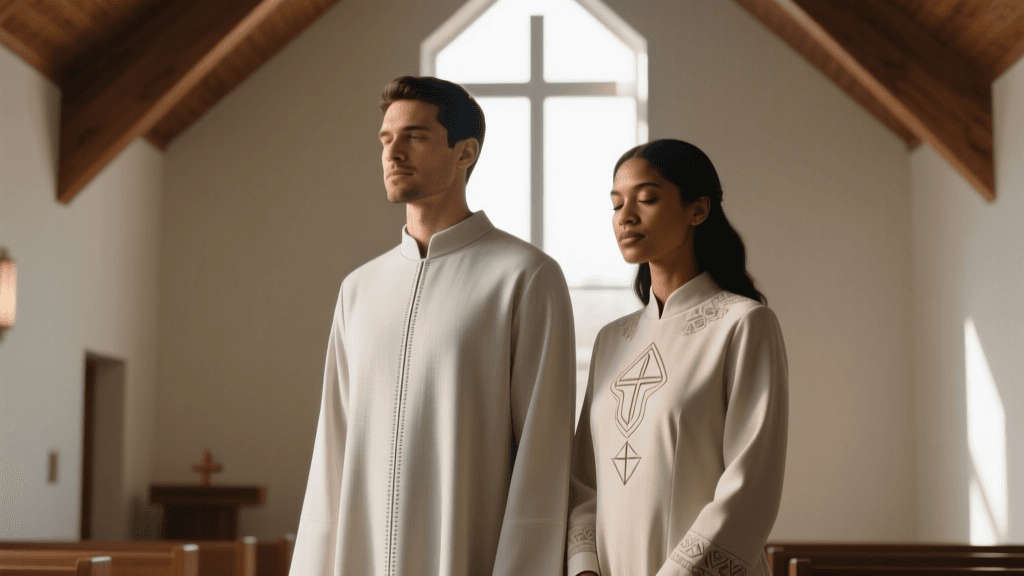
Often referred to simply as 'garments' by adherents, these white undergarments are worn by adult members who have participated in the temple endowment ceremony. Unlike outer religious vestments that signal clerical authority or public piety, the LDS garment is intentionally hidden beneath everyday clothing. This concealment is central to its meaning: it represents a private, intimate relationship with the divine, shielding the wearer's sacred commitments from the public eye while providing a continuous, tactile reminder of their spiritual promises.
Theological Origins and Covenant Symbolism
The origins of the temple garment trace back to the early 1840s in Nauvoo, Illinois, when the faith's founder, Joseph Smith, introduced the temple endowment. According to LDS theology, the garment is a modern iteration of the 'coats of skins' provided to Adam and Eve in the Garden of Eden, as well as the sacred undergarments worn by ancient Israelite priests. It serves as a spiritual armor, offering the wearer protection against temptation and a constant reminder of their commitment to live a Christ-centered life.
The most distinctive features of the traditional garment are the woven or embroidered marks (symbols) located on the chest, navel, and right knee. According to the Church's official teachings, these marks carry deep allegorical meaning tied to the eternities, representing honor, the descent of the spirit into the mortal body, and the willingness to kneel before God. As outlined in the Church's guide Preparing to Enter the Holy Temple, the garment is treated with the utmost respect, never left exposed to the view of those who do not understand its sacred nature.
Cultural Intersections in the Americas: Indigenous and Latin American Contexts
While the garment's theology is universal across the faith, its daily wear intersects uniquely with the diverse cultural tapestries of the Americas. In 2026, the Church's membership in North, Central, and South America is vast, and the garment is worn beneath a wide array of regional and traditional attire.
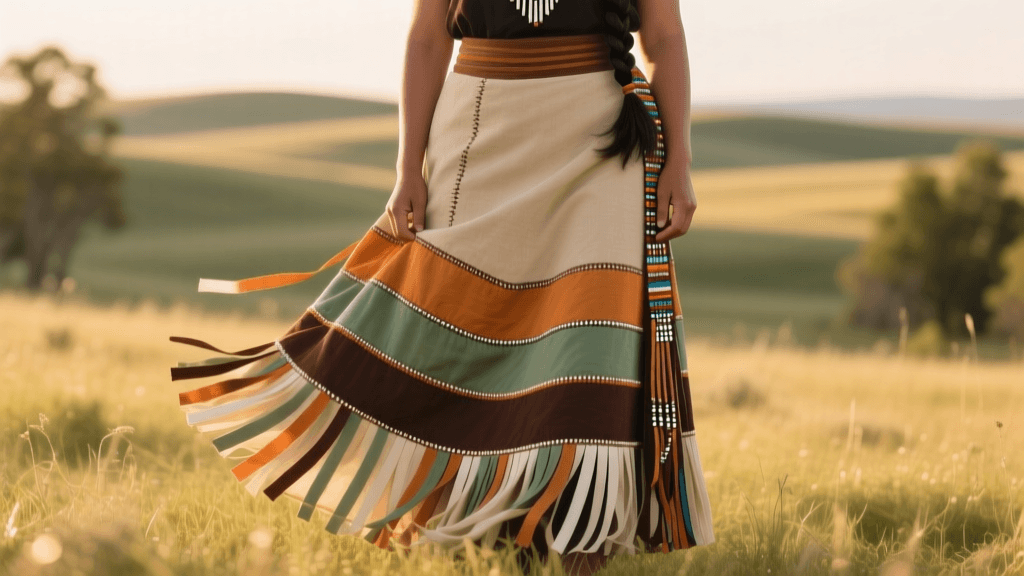
For Indigenous Latter-day Saints in North America—such as members of the Navajo, Lakota, and Hopi nations—navigating dual religious and cultural identities is a lived reality. During powwows, tribal ceremonies, or cultural festivals, Indigenous members often wear elaborate traditional regalia, such as ribbon shirts, jingle dresses, or beadwork. The garment is worn as the undermost layer, resting against the skin beneath these vibrant cultural expressions. Local Indigenous leadership and cultural advocates within the faith have increasingly fostered an environment where wearing traditional outer regalia over the sacred undergarment is seen not as a conflict, but as a beautiful layering of spiritual and ancestral identity.
In Latin America, the cultural and climatic realities are vastly different. In the humid, tropical regions of Central America and the Amazon basin, wearing multiple layers of clothing can be physically taxing. The introduction of advanced, climate-appropriate fabrics in recent years has been a revelation for members in these regions. Agricultural workers, urban commuters, and students in countries like Guatemala, Brazil, and Mexico now rely heavily on moisture-wicking and ultra-lightweight modal garments, allowing them to maintain their religious commitments without suffering from heat exhaustion in extreme climates.
2026 Design Innovations and the Women's Garment Lineup
The year 2026 marks a significant era in the garment's textile history, particularly regarding women's styles. Following a multi-year initiative to listen to the feedback of female members regarding fit, comfort, and compatibility with modern wardrobes, the Church's distribution system now offers a highly diversified catalog. Historically, women's garments were nearly identical in cut to men's, which created challenges when wearing professional, athletic, or contemporary women's clothing.
Today, the 2026 catalog features an array of women's tops, including scooped necklines, V-necks, cap sleeves, and even maternity-specific cuts. These designs allow women to wear modern blouses, athletic wear, and professional attire while keeping the sacred garment completely concealed. Furthermore, the fabric technology available in 2026 is exceptional. The 'Active' line utilizes advanced synthetic blends that rival top-tier secular athletic wear, while the 'Modest' and 'Classic' lines use sustainably sourced, ultra-soft cotton and modal blends that offer breathability and durability.
For a comprehensive look at the current distribution options and fabric technologies, members and researchers can review the official Church Distribution Garment Catalog, which details the exact material compositions and care instructions for every 2026 style.
2026 Style Comparison Chart
| Style Category | Primary Fabric | Best Use Case (2026) | Available Necklines/Sleeves |
|---|---|---|---|
| Classic Cotton | 100% Combed Cotton | Everyday wear, cooler climates, sensitive skin | Crew, V-neck (Men); Round, Scoop (Women) |
| Modal Blend | Modal / Spandex Mix | Office wear, formal events, high breathability | V-neck, Cap-sleeve, Scoop |
| Active Performance | Polyester / Moisture-Wicking | Athletics, manual labor, tropical/humid climates | Crew, Athletic cut, Sleeveless (Women) |
| Maternity | Stretch Modal / Cotton | Pregnancy and postpartum comfort | Empire waist, adjustable side panels |
A Practical Guide to Sizing, Ordering, and Care
For endowed members looking to purchase garments in 2026, the process is streamlined through local distribution centers and the online Church store. Because the garment is meant to fit modestly but comfortably—neither skin-tight nor overly baggy—accurate measuring is crucial. Members are advised to use a soft measuring tape to measure the chest (at the fullest part), the natural waist, and the hips. The online portal automatically recommends the best size based on these inputs, reducing the high return rates seen in previous decades.
Pricing in 2026 remains heavily subsidized by the Church to ensure global accessibility. A standard two-piece set (top and bottom) typically ranges from $12 to $18 USD, depending on the fabric technology chosen. This price point ensures that members in developing regions across the Americas can afford to maintain an adequate supply of sacred clothing.
Respectful Care and Disposal
Caring for the garment requires both practical laundry knowledge and religious reverence. They should be washed with like colors and dried on low heat to preserve the elasticity of the modern spandex blends. However, the most unique aspect of garment care is the protocol for disposal. When a garment becomes worn, torn, or unusable, it cannot simply be thrown in the trash or donated to a thrift store. Members are instructed to carefully cut out the sacred marks (the symbols on the chest, navel, and knee) and destroy them. The remaining fabric, stripped of its religious markers, can then be discarded or repurposed as cleaning rags. This practice ensures that the sacred symbols are never treated as common refuse, a principle strictly upheld by the Church Newsroom's official guidelines on garment respect.
Conclusion
As of 2026, the LDS temple garment stands as a remarkable intersection of ancient theology, modern textile engineering, and diverse cultural expression across the Americas. Whether worn beneath a business suit in New York, a traditional ribbon shirt at a powwow in the Dakotas, or lightweight linen in the humidity of Guatemala, the garment remains a unifying thread for millions. It is a silent, sacred textile that speaks volumes about the enduring nature of faith in the modern world.