Crafting Ojibwe Jingle Dress Regalia: 2026 Cost Guide
The Enduring Legacy of the Jingle Dress
The Jingle Dress dance is far more than a competition category at modern powwows; it is a profound ceremony of healing, resilience, and cultural continuity. Originating among the Ojibwe (Anishinaabe) people in the early 20th century, the dance and its accompanying regalia were born from a vision of healing during a time of widespread illness. Today, as we move through the 2026 powwow circuit, the Jingle Dress remains a powerful symbol of Indigenous survivance and prayer in motion.
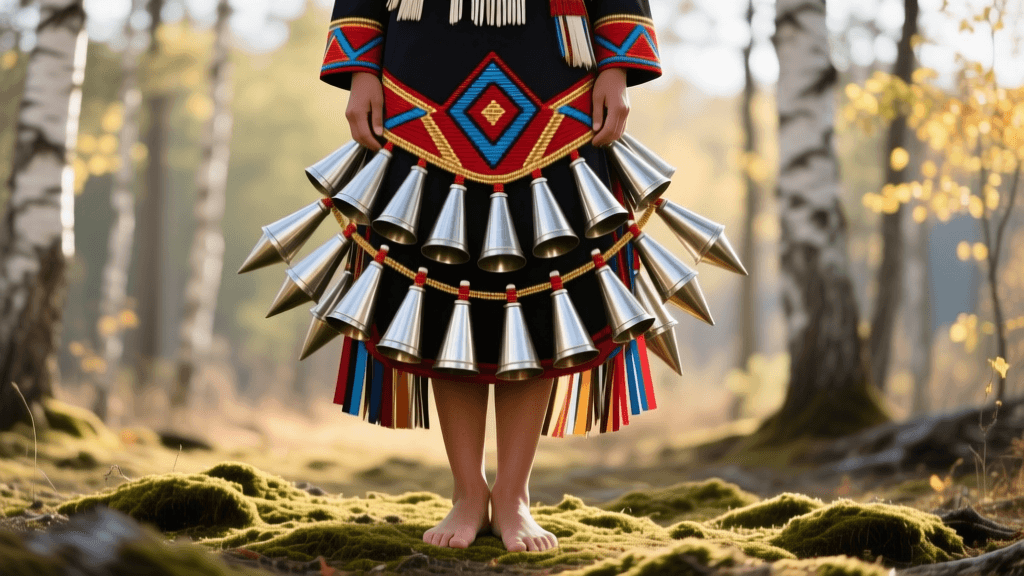
According to oral histories and records preserved by institutions like the Minnesota Historical Society, the original dress was adorned with rolled tin cones, often fashioned from tobacco can lids. These cones, known as ziibaaska'iganan, were designed to mimic the sound of falling rain. When a dancer moves, keeping one foot continuously in contact with the earth, the synchronized collision of hundreds of metal cones creates a rhythmic, rushing sound that aligns with the heartbeat of the drum. This acoustic property is not merely aesthetic; it is the spiritual engine of the healing prayer.
2026 Trends in Regalia Construction and Materials
As Indigenous artisans and dancers prepare for the 2026 summer powwow season—from the massive Gathering of Nations in Albuquerque to the Crow Fair in Montana—there has been a noticeable shift in material science applied to traditional regalia. While the sacred protocols of the dance remain untouched, the physical construction of the dresses has evolved to prioritize dancer ergonomics, sustainability, and climate adaptability.
The Shift to Sustainable and Lightweight Metals
Historically, rolled tin and heavy copper were the standards for jingles. However, a fully loaded dress can carry upwards of 400 to 800 cones, adding significant weight that can cause fatigue during multi-day competition events. In 2026, there is a massive surge in the use of aerospace-grade recycled aluminum alloys and stamped lightweight copper. These modern metals offer the same resonant, rain-like acoustic profile but reduce the overall weight of the skirt by nearly 35%.
Artisans are increasingly sourcing ethically mined and recycled metals, aligning with broader Indigenous environmental stewardship movements. As highlighted by recent cultural reporting from ICT News, many Native-owned metalworking cooperatives have emerged in the Great Lakes region, providing stamped, uniform cones that support local Indigenous economies while ensuring eco-friendly production methods.
Climate-Adaptive Broadcloths and Backings
Summer powwows in 2026 are seeing record-high temperatures across the Northern Plains and the Southwest. To combat heat exhaustion without sacrificing the traditional drape and opacity required for the Jingle Dress, makers are turning to advanced cotton-polyester moisture-wicking broadcloth blends. These fabrics maintain the heavy, flowing silhouette essential for the dance's visual impact but allow for greater breathability. Furthermore, the use of unbleached, organic cotton muslin as a backing layer has become the standard to protect the primary fabric from the friction of the metal cones.
Mastering the Appliqué: Ribbonwork Techniques
The visual hallmark of a Jingle Dress is its vibrant, geometric ribbonwork. This appliqué technique requires precision, patience, and a deep understanding of color theory. In 2026, while some makers utilize laser-cut acrylic templates to ensure flawless symmetry in their geometric patterns, the actual stitching remains a revered handcraft.
The most common method is the reverse appliqué or the folded-edge appliqué. Satin ribbons, typically in widths of 3/4 inch to 1 inch, are carefully folded and blind-stitched onto the broadcloth base. The patterns often feature interlocking diamonds, zig-zags, and stepped triangles, representing the hills, rivers, and sacred fires of the Anishinaabe homelands. For the 2026 competition season, judges are placing a high premium on the density of the stitching and the sharpness of the corners in the ribbonwork, rewarding makers who take the extra hours to ensure no raw edges are exposed.
Material Comparison: Choosing Your Cones
Selecting the right metal for your jingles is a critical decision that impacts the sound, weight, and budget of your regalia. Below is a comparison of the most popular cone materials utilized by dancers in 2026.
| Material | Weight Profile | Acoustic Quality | Durability | 2026 Avg. Cost (per 100) |
|---|---|---|---|---|
| Rolled Tin (Traditional) | Heavy | Sharp, bright, high-pitched | Prone to rust if untreated | $45 - $60 |
| Stamped Copper | Medium | Warm, deep, resonant | High (develops patina) | $85 - $110 |
| Recycled Aluminum Alloy | Very Light | Crisp, rain-like, sustained | Extremely High (rust-proof) | $70 - $90 |
2026 Cost Breakdown and Budgeting
Creating a competition-ready Jingle Dress is a significant financial and temporal investment. The cost of raw materials has fluctuated over the past few years, but as of 2026, the market for Native-made crafting supplies has stabilized. Below is a comprehensive budget breakdown for a standard adult Women's Jingle Dress regalia set, excluding the intricate beadwork components (such as the yoke, purse, and moccasins) which can add thousands of dollars to the final valuation.
| Component | Quantity / Specifications | Estimated 2026 Cost |
|---|---|---|
| Premium Broadcloth (Main Body) | 8 yards (Wool or Cotton Blend) | $140.00 |
| Muslin Backing | 8 yards | $45.00 |
| Satin Appliqué Ribbon | 40 yards (Assorted Colors) | $180.00 |
| Metal Cones (Recycled Aluminum) | 500 pieces (with snaps/links) | $375.00 |
| Heavy-Duty Upholstery Thread | 4 spools | $35.00 |
| Leather for Cone Ties | 2 sq. ft. (Deerhide scrap) | $50.00 |
| Total Base Material Cost | Excluding Beadwork & Labor | $825.00 |
Note: Fully beaded accessories, including brain-tanned moccasins, a beaded yoke, and a matching purse, are typically crafted separately and can range from $1,500 to over $4,000 depending on the artisan and the complexity of the beadwork.
Construction Protocol: Spacing and Attachment
The placement of the cones is a mathematical art form. The cones must be spaced in a way that allows them to strike one another when the dancer steps, but not so densely that they tangle or muffle the sound. The standard 2026 competition spacing places the cones approximately 3 to 4 inches apart horizontally, with rows staggered vertically. This staggered grid ensures an even distribution of weight across the hips and shoulders.
Each cone is traditionally attached using a small strip of leather or heavy waxed sinew, looped through a reinforced grommet or a hand-stitched buttonhole on the skirt. Reinforcing the attachment points with small squares of leather on the inside of the muslin backing is a crucial step that prevents the heavy metal from tearing through the broadcloth over years of vigorous dancing.
Cultural Protocol and Care
It is vital to remember that the Jingle Dress is considered sacred medicine. The protocols surrounding its creation, handling, and wear are guided by tribal elders and spiritual leaders. Many dancers fast, pray, or offer tobacco before cutting the fabric for a new dress. The dress should never be placed on the floor, and it is typically stored in a dedicated, clean cloth bag when traveling the powwow trail.
The National Endowment for the Arts National Heritage Fellows program has frequently recognized Indigenous master artisans who dedicate their lives to preserving these intricate textile and beadwork traditions, underscoring the importance of treating the regalia not just as a garment, but as a living cultural artifact. When caring for the metal cones, a simple wipe-down with a dry microfiber cloth after a humid outdoor powwow will prevent oxidation, ensuring the dress remains vibrant and resonant for generations.
Conclusion
The Ojibwe Jingle Dress is a breathtaking convergence of acoustic engineering, textile artistry, and spiritual devotion. As the 2026 powwow season unfolds, the integration of sustainable metals and climate-adaptive fabrics proves that Indigenous cultures are not static relics of the past, but dynamic, evolving forces. Whether you are a seasoned dancer upgrading your regalia or an artisan beginning your first dress, understanding the deep history and precise construction techniques ensures that the healing rain of the jingles will continue to echo across the dance arbor for decades to come.