Jingle Dress Regalia: Ethical Sourcing & Construction 2026
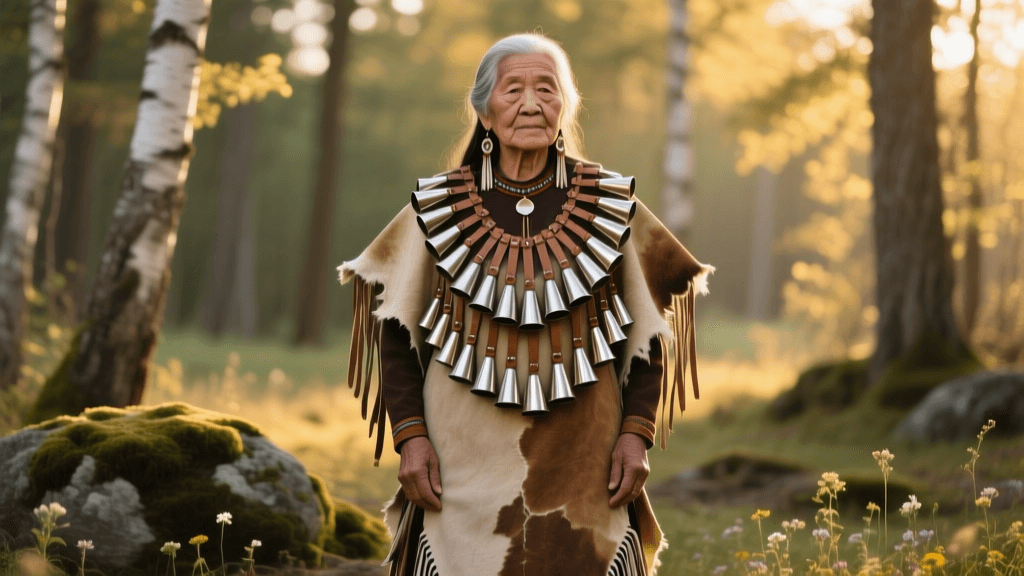
The Jingle Dress, originally a healing dress of the Ojibwe (Anishinaabe) people, has evolved into one of the most recognizable and deeply respected styles of Native American regalia seen on the powwow circuit. As we enter the 2026 powwow season, the demand for authentic, ethically sourced materials has never been higher. Dancers and makers are increasingly turning away from mass-produced, overseas synthetic imitations, favoring Native-owned supply shops and traditional construction methods that honor the dress’s spiritual origins. This comprehensive guide explores the anatomy, ethical sourcing, and step-by-step construction of the Jingle Dress regalia in 2026, ensuring that makers can build garments that resonate with cultural integrity and contemporary durability.
The Spiritual Origins and Modern Significance
To understand how to construct a Jingle Dress, one must first understand its purpose. According to Ojibwe oral history, the dress originated in the early 20th century through a vision granted to a medicine man seeking a way to heal his gravely ill daughter. The vision provided specific instructions on how to create a dress adorned with metal cones that would produce a sound akin to rain on a tin roof. When the daughter danced in the dress, she was healed. Today, the Jingle Dress is widely recognized as a healing dress, and the Jingle Dress Dance is a staple at powwows across North America. The Smithsonian National Museum of the American Indian notes that the dress has transcended its Ojibwe roots to become a pan-Indian symbol of healing, resilience, and cultural pride, especially prominent during the global health crises of the early 2020s and continuing as a powerful statement of Indigenous sovereignty in 2026.
Anatomy of the 2026 Jingle Dress
While historical Jingle Dresses were often made from simple cotton calico and featured modest, straight silhouettes, the contemporary 2026 powwow Jingle Dress is a masterclass in movement, color, and acoustic engineering. The modern dress typically consists of three main components:
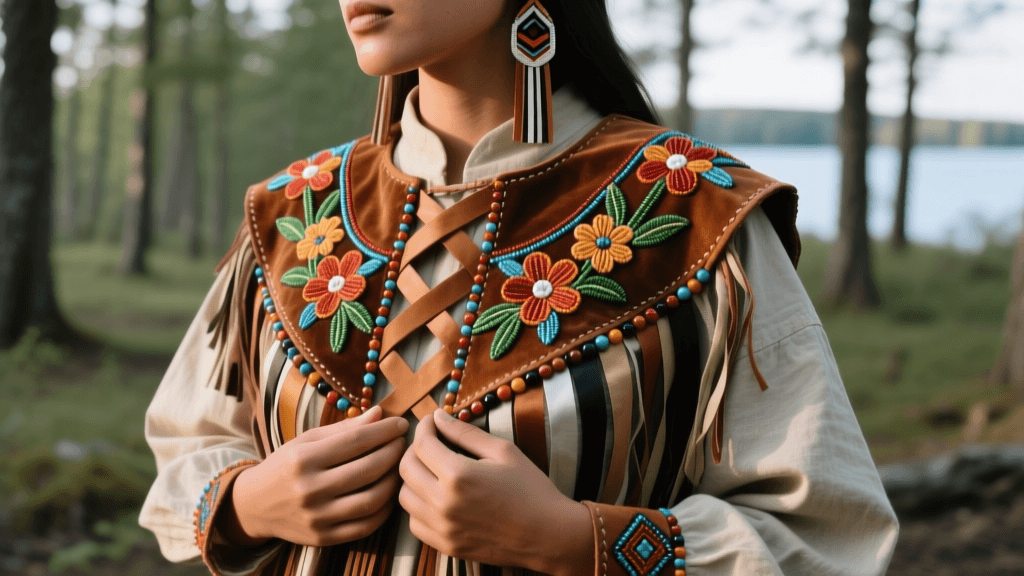
- The Yoke and Bodice: Often heavily decorated with ribbonwork appliqué, sequins, or beadwork. The yoke must be structured enough to support the weight of the upper jingles without sagging.
- The Skirt: Usually a full, flowing circle or gored skirt that allows for the dynamic footwork required in the dance. The hem is frequently adorned with ribbons or fabric ruffles.
- The Jingles (Cones): The defining feature. Traditionally made from rolled snuff can lids, modern jingles are typically stamped from tin or brass. In 2026, lightweight aluminum and polished brass are popular for dancers seeking a brighter, higher-pitched sound that cuts through the loud drums of modern powwow arenas.
Ethical Sourcing: Navigating the 2026 Market
Sourcing materials ethically is paramount when creating Native regalia. The proliferation of counterfeit Native goods has made it essential for makers to verify their supply chains. The Indian Arts and Crafts Board (IACB) actively enforces the Indian Arts and Crafts Act, which prohibits the misrepresentation of Native American arts and crafts. When purchasing trade cloth, broadcloth, ribbons, and jingles, prioritize Native-owned and operated businesses.
In 2026, several prominent Native-owned online cooperatives and physical trading posts in the Great Lakes and Plains regions offer sustainably dyed cotton broadcloth and domestically stamped tin jingles. Supporting these vendors ensures that the economic benefits of the powwow circuit remain within Indigenous communities. Furthermore, organizations like the Native Arts and Cultures Foundation frequently publish directories of verified Indigenous artisans and material suppliers, making it easier for novice regalia makers to find ethical sources for their materials.
Step-by-Step Construction Guide
Constructing a Jingle Dress requires patience, precise measurement, and an understanding of how the garment will move during the dance. Below is a foundational guide to assembling the dress.
1. Drafting the Pattern
Begin by taking precise measurements: bust, waist, hips, shoulder-to-waist, and waist-to-floor. For the skirt, a four-gore pattern provides excellent volume without adding excessive bulk at the waist. Cut the fabric with a 1/2-inch seam allowance. The yoke should be drafted to sit squarely on the shoulders, with a slight dip in the back to accommodate the spine's curvature during the forward-leaning dance posture.
2. Preparing and Attaching the Jingles
If you are using pre-rolled jingles, you will need to attach them to the dress using ribbon or strong cotton twill tape. Cut your ribbon into 4-inch strips. Thread the ribbon through the holes at the top of the jingle and tie a secure double knot, leaving a small loop so the jingle can swing freely. If the jingle is tied too tightly, it will not produce the signature chiming sound.
3. Layout and Spacing
The layout of the jingles is both an aesthetic and acoustic choice. A standard adult dress requires between 300 and 500 jingles. Mark your fabric with a fabric chalk pen, creating staggered rows spaced approximately 2 to 2.5 inches apart. Staggering the rows ensures that the jingles overlap visually and strike one another during movement, maximizing the acoustic effect. Sew the ribbon ties directly onto the marked spots, using a reinforced backstitch or a heavy-duty sewing machine needle (size 16/100) to penetrate the broadcloth and ribbon securely.
2026 Material Cost and Sourcing Comparison
Budgeting for a handmade Jingle Dress can vary wildly based on the materials chosen. Below is a comparison of average 2026 costs for essential regalia components, comparing mass-market craft stores with specialized Native-owned trading posts.
| Material Component | Mass-Market Craft Store (Est. Cost) | Native-Owned Trading Post (Est. Cost) | Notes for 2026 |
|---|---|---|---|
| Wool Broadcloth (per yard) | $18.00 (Synthetic blend) | $35.00 (100% Wool, Ethically sourced) | Wool drapes better and resists wrinkling during travel. |
| Rolled Tin Jingles (Pack of 100) | $25.00 (Imported, thin gauge) | $45.00 (Domestic, heavy gauge) | Heavy gauge tin produces a deeper, more resonant tone. |
| Satin Ribbon (Spool) | $8.00 | $12.00 (Double-faced, colorfast) | Colorfast ribbons prevent bleeding when washing the dress. |
| Trade Cloth Appliqué (per yard) | $15.00 | $28.00 (Hand-cut, traditional patterns) | Supporting Native cutters preserves traditional floral motifs. |
Regalia Protocol and Care
A Jingle Dress is not a costume; it is a sacred garment imbued with healing energy and cultural significance. Proper care and adherence to powwow protocol are mandatory for any dancer or maker.
- Storage: Never store your Jingle Dress in a plastic bag, as this can trap moisture and cause the metal jingles to rust or the fabric to mildew. Use a breathable cotton garment bag and store it in a cool, dry place.
- Cleaning: Spot clean the broadcloth whenever possible. If a full wash is necessary, remove the jingles if they are prone to rusting, or wash the dress on a gentle, cold cycle and immediately hang it to dry. Never put a Jingle Dress in a mechanical dryer.
- Powwow Etiquette: If a jingle falls off your dress during a powwow, it is customary to have a respected elder or a fellow dancer pick it up for you. Do not step over regalia, and never allow your Jingle Dress to touch the ground.
Conclusion
Creating a Jingle Dress in 2026 is a profound act of cultural continuation. By prioritizing ethical sourcing, mastering traditional construction techniques, and treating the garment with the reverence it deserves, makers ensure that the healing song of the jingles will continue to resonate across Turtle Island for generations to come. Whether you are sewing your first dress or refining a competition garment, the dedication you pour into every stitch honors the ancestors and the enduring spirit of Indigenous resilience.