Jingle Dress Regalia Guide 2026: Sourcing & Powwow Etiquette
The Origins and Spiritual Significance of the Jingle Dress
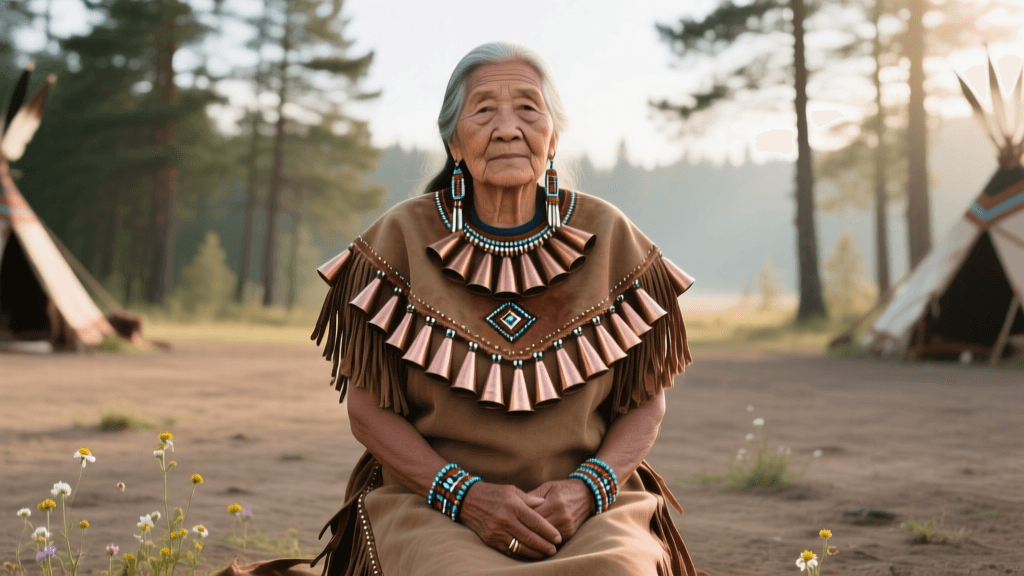
The powwow circuit of 2026 is a vibrant, living testament to Indigenous resilience, artistry, and community. Among the most visually and sonically captivating elements of the modern powwow is the Jingle Dress dance, known in the Ojibwe language as Chiigidiwin. To understand the construction and sourcing of jingle dress regalia, one must first understand that this garment is not merely a dance outfit; it is a sacred medicine dress. According to the Smithsonian National Museum of the American Indian, the Jingle Dress originated among the Ojibwe (Anishinaabe) people in the early 20th century, with many oral histories tracing its visionary creation to the era of the 1918 influenza pandemic. A medicine man received a vision of a dress adorned with metal cones that, when danced in a specific rhythm, would produce a sound like rain on a tin roof, bringing healing to his ailing daughter and, by extension, the community.
Today, the Jingle Dress dance has spread far beyond its Great Lakes origins, becoming a staple at intertribal powwows across North America. However, the spiritual weight of the dress remains intact. Dancers are often asked to pray for those who are sick while they dance, and the creation of the regalia itself is treated as an act of devotion, healing, and cultural preservation. As we navigate the 2026 powwow season, understanding how to properly source, construct, and respect this regalia is vital for both new dancers and seasoned artisans.
Sourcing Materials for 2026: Fabrics, Cones, and Notions
Creating a jingle dress requires a significant investment of time, resources, and capital. The supply chain for Native regalia materials has seen fluctuations over the past few years, but as of 2026, Native-owned trading posts and specialized online bead and fabric shops have stabilized their inventory. When sourcing materials, prioritizing authenticity and supporting Indigenous businesses is highly recommended, a principle strongly supported by the Indian Arts and Crafts Board, which advocates for the economic development of authentic Native American arts and crafts enterprises.
Metal Cones (Jingles)
The defining feature of the regalia is the jingle, traditionally made from the lids of snuff cans or baking powder tins in the early 1900s. Today, artisans have two primary options: purchasing pre-rolled cones or buying flat metal blanks to roll by hand. In 2026, nickel-silver and brass are the most popular metals due to their bright resonance and resistance to tarnishing. A standard adult jingle dress requires anywhere from 400 to 800 cones, depending on the size of the dancer and the density of the design. Pre-rolled nickel-silver cones currently average between $0.40 and $0.65 each when purchased in bulk from Native suppliers. Rolling your own from flat blanks is more labor-intensive but can reduce the cost to approximately $0.15 per cone, allowing for a highly customized sound profile.
Base Fabrics and Appliqué
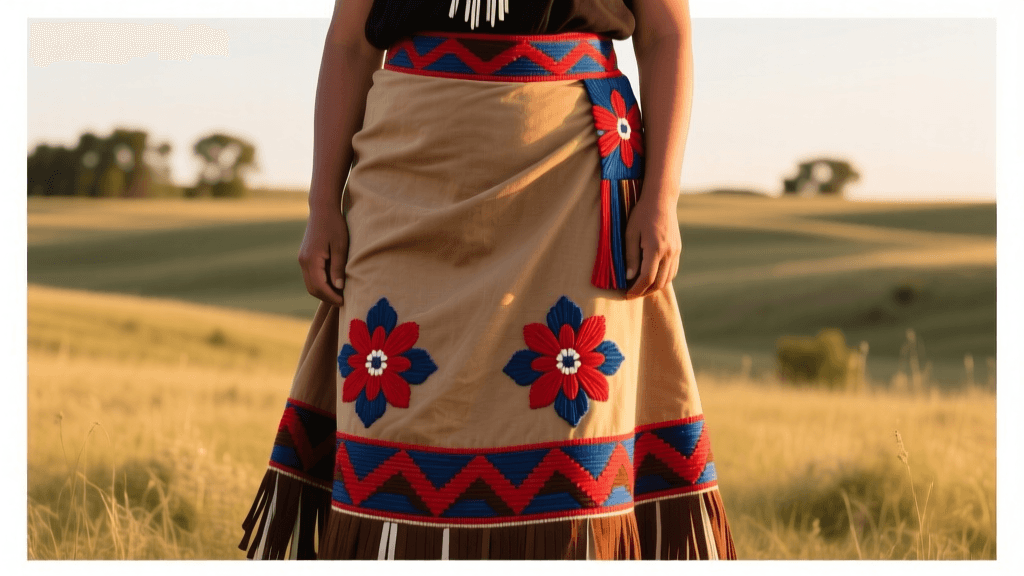
The base of a traditional jingle dress is typically made from cotton calico, broadcloth, or trade cloth. For the 2026 season, rich jewel tones, deep floral prints, and star-patterned calicos are highly sought after. Broadcloth remains a favorite for its durability and ability to hold the weight of hundreds of metal cones without sagging. You will need between 5 to 8 yards of 45-inch or 60-inch wide fabric. Additionally, double-faced satin ribbon (usually 1-inch or 2-inch wide) is essential for the intricate appliqué work that adorns the yoke, sleeves, and hem. Sourcing ribbon from wholesale Native craft suppliers can save you up to 30% compared to big-box craft stores.
Construction Blueprint: Measurements and Assembly
Constructing a jingle dress requires a solid grasp of garment sewing, pattern alteration, and structural reinforcement. The dress is generally designed with a straight or slightly A-line silhouette, featuring long sleeves and a high neckline, though modern variations may incorporate contemporary tailoring while maintaining traditional modesty standards.
Pattern and Structural Reinforcement
Because a fully loaded dress can weigh between 15 and 25 pounds, the shoulder seams and the yoke must be heavily reinforced. Many artisans use a cotton-poly blend interfacing or line the entire bodice with a secondary layer of heavy canvas or duck cloth. This hidden layer absorbs the stress of the swinging metal cones, preventing the outer decorative fabric from tearing during the vigorous footwork of the dance.
Cone Placement and Spacing
The placement of the jingles is both an aesthetic and acoustic science. Cones are typically arranged in staggered, zig-zag, or chevron patterns across the front, back, and sleeves of the dress. The standard spacing for the 2026 powwow season is 1.5 to 2 inches apart, both horizontally and vertically. If the cones are placed too closely, they will tangle and muffle the sound; if placed too far apart, the dress will lose its signature "rain" sound. Each cone is attached using a sturdy cotton string, waxed sinew, or a narrow strip of leather, tied securely so the cone can swing freely but not detach during the dance.
2026 Material Cost and Sourcing Comparison
Budgeting for a complete jingle dress regalia set requires careful planning. Below is a structured breakdown of estimated costs and sourcing strategies for an adult-sized dress in the current market.
| Material | 2026 Estimated Cost | Quantity Needed | Sourcing & Preparation Tip |
|---|---|---|---|
| Nickel-Silver Cones (Pre-rolled) | $0.45 - $0.65 each | 500 - 800 | Buy in bulk from Native-owned online trading posts to avoid retail markups. |
| Flat Metal Blanks (DIY Cones) | $0.12 - $0.20 each | 500 - 800 | Requires a wooden dowel and pliers to roll; yields a deeper, custom pitch. |
| Cotton Broadcloth / Calico | $14.00 - $22.00 / yard | 5 - 8 yards | Always pre-wash and iron to prevent shrinkage after the cones are attached. |
| Double-Faced Satin Ribbon | $4.00 - $6.00 / spool | 8 - 12 spools | Use 1-inch for appliqué borders and 2-inch for decorative sashes. |
| Heavy Canvas (Lining) | $9.00 / yard | 3 - 4 yards | Crucial for reinforcing the yoke and shoulder seams against cone weight. |
| Waxed Sinew / Leather Lace | $12.00 / pack | 2 - 3 packs | Sinew provides the strongest, most traditional tie for individual cones. |
Powwow Etiquette and Protocol for 2026
As the National Congress of American Indians (NCAI) frequently highlights in its public education campaigns, understanding and respecting Indigenous cultural protocols is essential for anyone attending a powwow, whether as a dancer, a vendor, or a spectator. The Jingle Dress is a sacred item, and interacting with it requires strict adherence to cultural etiquette.
The Sanctity of the Regalia
First and foremost, a jingle dress is never referred to as a "costume"; it is "regalia" or "medicine." It is imbued with the prayers of its maker and the healing intentions of the dancer. Spectators must never touch a dancer's regalia without explicit permission. The oils from human hands can tarnish the metal cones and soil the delicate fabrics, but more importantly, touching the dress without permission is a profound violation of the dancer's personal and spiritual space.
Photography and Arena Protocol
While the 2026 powwow season embraces modern digital sharing, photography etiquette remains strict. Always ask for verbal consent before taking a portrait of a Jingle Dress dancer. Furthermore, if a dancer drops an item in the arena—such as a feather, a piece of beadwork, or a loose cone—spectators must never pick it up. In many traditions, a fallen item is considered to have absorbed the energy of the earth and the dance. Only the dancer, an elder, or a designated arena director (often a veteran) is permitted to retrieve it, usually following a specific ceremonial protocol. As the National Congress of American Indians advises, when in doubt, observe, listen to the Master of Ceremonies, and err on the side of deep respect.
Conclusion
The creation and wearing of Ojibwe jingle dress regalia in 2026 is a beautiful synthesis of historical reverence and contemporary artistry. By carefully sourcing high-quality materials, reinforcing the garment to withstand the rigors of the dance, and strictly observing powwow etiquette, dancers and community members ensure that the healing song of the jingles will continue to resonate across Indigenous communities for generations to come. Whether you are rolling your first metal cone or preparing to step into the arena for the Grand Entry, approach the process with a good mind, a humble heart, and a deep respect for the medicine the dress carries.