LDS Temple Garments 2026: Sacred Meaning and Modern Styles
The Spiritual and Cultural Foundation of the Temple Garment
For members of The Church of Jesus Christ of Latter-day Saints, the temple garment is far more than a simple undergarment; it is a profound religious symbol, a reminder of sacred covenants, and a deeply ingrained element of cultural identity across the Americas and the globe. Often referred to simply as 'garments' or 'Mormon underwear' by those outside the faith, these garments hold a sacred space in the daily lives of endowed Latter-day Saints. As we navigate the cultural and religious landscape of 2026, understanding the evolution, meaning, and modern availability of these garments provides a unique window into how ancient religious symbolism adapts to contemporary life in the Americas.
Historically, the origins of the LDS temple garment trace back to the mid-19th century in Nauvoo, Illinois, and later the American West. Early garments were one-piece union suits that extended to the wrists and ankles, reflecting both the modesty standards of the Victorian era and the specific symbolic markers introduced during the temple endowment ceremony. Over the decades, as American and global fashion evolved, so too did the garment. By the mid-20th century, the Church transitioned to a two-piece design (a t-shirt and shorts), and today, in 2026, members have access to a highly specialized, technologically advanced catalog of fabrics and cuts designed to accommodate everything from corporate boardrooms in New York to humid missionary assignments in Central America.
Decoding the Sacred Symbolism
To understand the cultural significance of the garment, one must understand its religious purpose. According to the Church's official Gospel Topics essay on Temple Garments, the garment serves as a 'shield and a protection.' It is a tangible, physical reminder of the covenants made inside the temple—a sacred space where members participate in ordinances that bind families together for eternity.
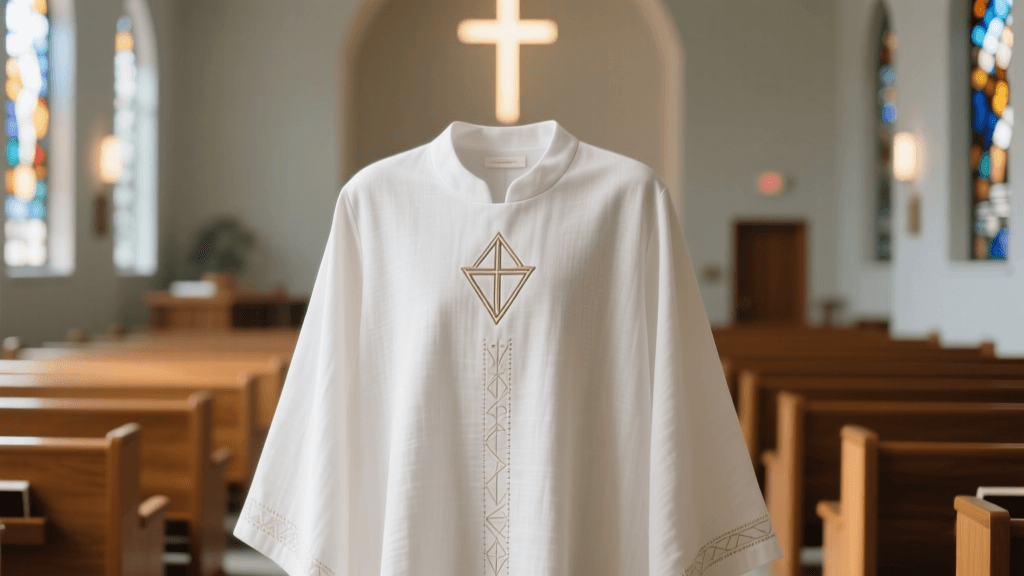
The garment features specific marks woven or embroidered into the fabric. While the exact nature of these marks is considered sacred and is not discussed casually by faithful members, they are deeply tied to the Atonement of Jesus Christ, the Plan of Salvation, and the wearer's personal commitment to live a Christ-centered life. In a cultural sense, wearing the garment creates a unifying bond among Latter-day Saints across the diverse landscapes of the Americas. Whether a member is attending a university in Utah, working in the garment district of Los Angeles, or farming in the Andes, the shared, hidden experience of wearing the garment fosters a profound sense of global and hemispheric community.
2026 Garment Styles: Balancing Faith and Functionality
The Church's Distribution Services has continually refined its textile offerings to meet the diverse needs of its global membership. In 2026, the emphasis is on breathability, durability, and inclusive sizing, ensuring that the sacred clothing does not hinder a member's daily physical or professional activities. The official Church Distribution Garment Catalog now features a highly engineered lineup of fabrics that cater to specific climates and lifestyles.
For members living in the sweltering heat of the American South, the Caribbean, or Latin America, the 'Stretch Mesh' and 'CoolMax' style blends have become the standard. These fabrics utilize advanced moisture-wicking technology that was simply unavailable a decade ago. Conversely, members in colder North American climates can opt for heavier cotton blends or specialized thermal options during the winter months.
2026 Fabric and Style Comparison Chart
| Fabric Type (2026 Lineup) | Material Composition | Best Use Case | Climate Suitability |
|---|---|---|---|
| Stretch Mesh | 90% Polyester, 10% Spandex | High activity, sports, hot weather | Tropical, Summer, Humid |
| Cotton/Poly Blend | 60% Cotton, 40% Polyester | Everyday wear, office environments | Temperate, Year-Round |
| 100% Cotton | 100% Combed Cotton | Sensitive skin, traditional preference | Mild, Dry Climates |
| Athletic Performance | Nylon/Spandex Moisture-Wicking | Marathons, gym workouts, outdoor labor | All Climates (High Sweat) |
| Modesty Panel Mesh | Cotton/Spandex with opaque panels | Wearing under sheer or light-colored clothing | Summer, Professional |
The Evolution of Women's Garment Options
One of the most significant cultural and practical shifts in recent years, culminating in the expansive 2026 catalog, is the variety of women's garment styles. Historically, women's garments were limited to standard t-shirt silhouettes, which often conflicted with modern women's professional and athletic wardrobes. Today, the Church offers a wide array of women's specific designs, including cap sleeves, scoop necks, camisole styles, and even specialized maternity cuts.
These adaptations have had a profound impact on the cultural expression of modesty among Latter-day Saint women in the Americas. A female attorney in Chicago or a medical student in Toronto can now wear professional blouses and scrubs while remaining entirely faithful to her temple covenants. The introduction of the 'caraco' and camisole styles has also been a cultural boon for women in warmer Latin American regions, allowing for greater comfort without compromising the sacred coverage required by the endowment.
Purchasing, Measuring, and the Gospel Store App
Purchasing temple garments is a unique experience, as they are not available in standard retail clothing stores or mall kiosks. They are exclusively distributed through Church Distribution Services, either at physical distribution centers located near temples and meetinghouses, or online. In 2026, the primary method for ordering is via the official Gospel Store app or website, which requires a secure login linked to the member's Church record to verify their endowed status.
Practical Measuring Advice for 2026
- Use a Soft Tape Measure: Always use a flexible tailor's tape measure. Do not guess your size based on commercial clothing brands, as garment sizing is highly specific and standardized globally.
- Measure the Chest and Waist: For tops, measure around the fullest part of the chest. For bottoms, measure at the natural waistline and the fullest part of the hips.
- Consider Shrinkage: If ordering 100% cotton garments, many experienced members recommend sizing up slightly, as natural cotton fibers will shrink over repeated washings, whereas the synthetic stretch-mesh blends retain their exact shape indefinitely.
- Utilize the Virtual Fit Tool: The 2026 update to the Gospel Store app includes an AI-assisted virtual fit tool that recommends sizes based on your height, weight, and preferred fit (snug vs. relaxed).
Care, Maintenance, and Respectful Disposal
Caring for temple garments involves both practical textile maintenance and religious reverence. Because they are considered sacred, they are treated with a level of respect that differs from ordinary laundry. Members are instructed to wash them separately or with care, ensuring they are not treated disrespectfully.
When a garment becomes worn, torn, or stretched beyond usability, it cannot simply be thrown into a public trash bin or donated to a thrift store. The cultural and religious protocol for disposal is strict and deeply meaningful. Members must carefully cut out the sacred marks (the embroidered or woven symbols) using scissors. Once the marks are removed, they are destroyed (often by burning or cutting them into unrecognizable pieces) to ensure they are never discarded in a way that could be treated with disrespect. The remaining, unmarked fabric can then be disposed of in the regular trash or repurposed as cleaning rags. If a garment is completely unworn and still in its original packaging, it can be returned to a local distribution center for a refund or exchange, but worn garments are never accepted for donation.
Cultural Impact Across the Americas
The presence of the temple garment subtly influences the broader fashion and modesty choices of Latter-day Saints across the Americas. Because the garment requires coverage of the shoulders, chest, and upper thighs, members naturally gravitate toward clothing that accommodates it. This has fostered a distinct cultural aesthetic within the community—one that generally favors higher necklines, longer hemlines, and more tailored fits.
In regions with a high density of Latter-day Saints, such as the American Intermountain West and parts of Mexico and Brazil, local clothing boutiques and even major department stores often stock 'garment-friendly' clothing lines. These are tops with slightly higher armholes and dresses with built-in linings designed specifically to conceal the sacred clothing underneath. This symbiotic relationship between religious requirements and regional retail markets highlights how deeply the temple garment is woven into the socioeconomic and cultural fabric of the Americas.
Ultimately, the temple garment in 2026 represents a beautiful intersection of ancient faith and modern innovation. As noted by the Church Newsroom, the garment remains a steadfast symbol of devotion, even as the textiles and cuts evolve to meet the demands of a modern, active, and global membership. For those studying the intersection of religion and dress in the Americas, the LDS temple garment stands as a premier example of how sacred clothing can adapt to the rigors of contemporary life while fiercely preserving its spiritual core.