Ojibwe Jingle Dress Regalia: 2026 Powwow Sewing & Sourcing
The Healing Power of the Ziibaaska'igan
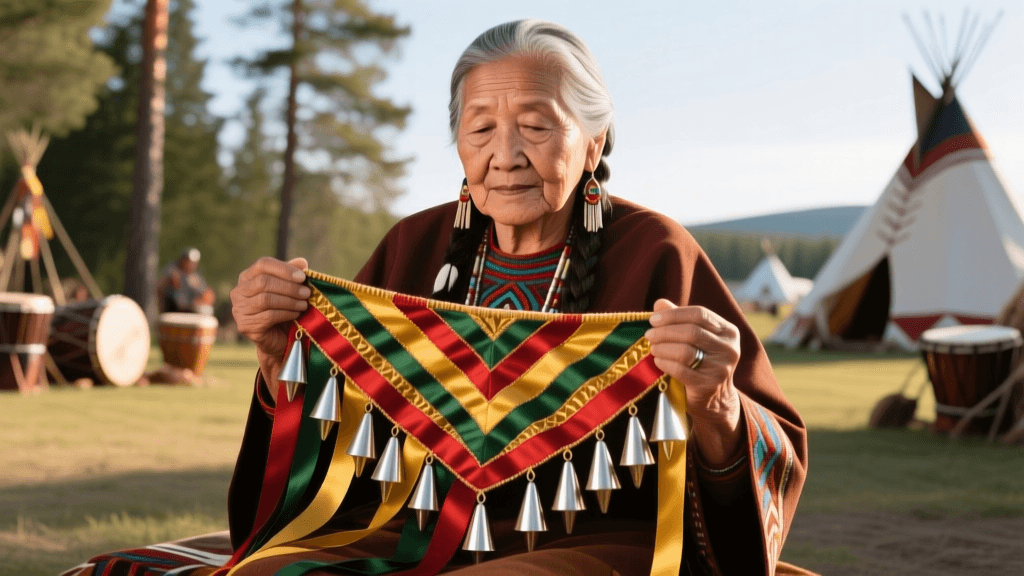
The Jingle Dress, known in the Ojibwe language as ziibaaska'igan, is far more than a beautiful piece of Native American traditional clothing; it is a profound vessel of healing, prayer, and cultural resilience. Originating from the Ojibwe (Anishinaabe) communities around the Great Lakes in the early 20th century, the dress was revealed in a vision to a medicine man seeking a way to heal his gravely ill daughter. The vision instructed him to create a dress adorned with metal cones that would produce the sound of falling rain when the dancer moved. Today, as we navigate the 2026 powwow season, the Jingle Dress dance remains one of the most revered and widely practiced traditions across North America, frequently utilized in ceremonies to bring healing to communities, honor Missing and Murdered Indigenous Women (MMIW), and revitalize ancestral knowledge.
For Indigenous artisans, seamstresses, and dancers preparing for the 2026 powwow circuit, creating a jingle dress requires a deep understanding of both historical authenticity and modern construction techniques. This comprehensive guide will walk you through sourcing materials, mastering ribbon appliqué, and understanding the etiquette required to honor this sacred regalia.
Sourcing Authentic Metal Jingles (Cones) in 2026
The defining feature of the ziibaaska'igan is the jingle itself. The sound produced by the metal cones striking one another is considered the heartbeat of the dance, carrying prayers to the Creator. In 2026, the market for regalia supplies offers a variety of cones, but not all jingles are created equal. Authenticity in sound and material is paramount for serious dancers and traditionalists.
When sourcing jingles, you will generally encounter three types of metal cones. It is highly recommended to avoid cheap, mass-produced aluminum cones often found on generic craft websites, as they produce a high-pitched, tinny sound that lacks the deep, resonant 'rain' effect required for traditional dancing. Instead, seek out rolled steel or heavy tin jingles from dedicated Native craft suppliers or Indigenous metalworkers.
| Jingle Type | Material | Sound Profile | 2026 Avg. Price (per gross) | Best Use |
|---|---|---|---|---|
| Authentic Rolled | Steel / Heavy Tin | Deep, resonant rain | $65 - $95 | Competition & Traditional Exhibition |
| Stamped Cones | Light Aluminum | High-pitched, tinny | $25 - $40 | Practice, Children's Regalia |
| Vintage Reproduction | Heavy Gauge Steel | Mellow, antique ring | $120 - $160 | Heirloom Pieces, Special Ceremonies |
Established vendors like Crazy Crow Trading Post remain a reliable resource for authentic rolled jingles, offering consistent quality for seamstresses outfitting entire dance troupes. Additionally, many Indigenous families have taken to social media and specialized e-commerce platforms to sell hand-rolled jingles, supporting the Native economy directly while ensuring the highest acoustic quality for the 2026 season.
Selecting Fabrics and Ribbon Appliqué Techniques
The foundation of a traditional jingle dress is the fabric. While early 20th-century dresses were often made from available trade cloth or repurposed garments, modern traditionalists typically favor high-quality cotton calico, cotton broadcloth, or cotton-poly blends. Broadcloth is particularly popular for the 2026 season due to its heavier drape, which allows the skirt to swing beautifully during the traditional side-step dance, maximizing the sound of the jingles.
Ribbon appliqué is the primary decorative technique used on the bodice, sleeves, and hem of the dress. This intricate art form involves layering ribbons of varying widths and colors to create geometric or floral patterns. There are two main methods:
- Standard Appliqué: Ribbons are folded under and stitched directly onto the base fabric. This is faster and highly durable for the rigorous movement of powwow dancing.
- Reverse Appliqué: A top layer of fabric is cut away to reveal a contrasting ribbon or fabric underneath. This technique is more time-consuming but yields a stunning, multi-dimensional effect that is highly prized in contest dancing.
When designing your colorway, consider the symbolic weight of your choices. In recent years, and continuing strongly into 2026, many Jingle Dress dancers have incorporated specific shades of red into their ribbon work and beadwork to honor the MMIW movement, transforming their regalia into a walking billboard for awareness and justice. Pairing deep reds with black, white, and turquoise creates a striking visual contrast that photographs beautifully and stands out in the dance arena.
Construction and the Rule of 365
The construction of a jingle dress requires precise measurements to ensure the dancer has the mobility needed for the low, grounded footwork characteristic of the style. The dress is typically a one-piece or two-piece garment (bodice and skirt) with an elastic or drawstring waist for comfort.
The most critical construction rule is the placement and quantity of the jingles. Tradition dictates that a fully completed healing dress should contain exactly 365 jingles—one for every day of the year, representing a continuous, year-round prayer for the people. When laying out your skirt, measure the circumference of the hem and calculate the spacing. Jingles are typically attached using strong, waxed button thread or heavy-duty nylon upholstery thread, tied off with a secure knot on the inside of the skirt to prevent them from tearing through the fabric during vigorous dancing.
It is crucial to leave a gap of about 4 to 6 inches at the front center seam of the skirt. This prevents the jingles from tangling when the dancer steps forward and ensures the dress hangs correctly. Furthermore, the length of the skirt in 2026 generally falls between mid-calf and just above the ankle, depending on the specific powwow committee's dress code rules, ensuring the jingles do not drag in the dirt or grass of the arena.
2026 Powwow Etiquette and Contest Rules
Understanding the etiquette surrounding the Jingle Dress is just as important as the sewing process. As noted by cultural historians and resources like Powwows.com, the Jingle Dress is fundamentally a healing dance. Dancers are expected to maintain a level of dignity and grace in the arena. The traditional footwork involves a gentle, syncopated side-step that keeps the feet close to the ground, allowing the jingles to sing without chaotic jumping or spinning, which is reserved for Fancy Shawl dancers.
For those entering contest categories in 2026, pay close attention to the head judge's instructions during the powwow's morning meetings. Contest rules have evolved to strictly separate 'Traditional' jingle dancing (which emphasizes the older, side-step style and modest, calico-based regalia) from 'Contemporary' or 'Fancy' jingle dancing (which may feature more athletic footwork, brighter satin fabrics, and elaborate beadwork). Crossing the line between these styles can result in point deductions.
Moreover, the Smithsonian National Museum of the American Indian frequently highlights the importance of respecting the origins of the dance. Non-Indigenous individuals should never create or wear a jingle dress, as it is a closed cultural practice tied to specific spiritual responsibilities within the Ojibwe and broader Anishinaabe communities. Allies can support the tradition by attending powwows, respecting arena etiquette, and purchasing authentic art from Indigenous creators.
Caring for Your Regalia
A well-made jingle dress is an investment of time, money, and spiritual energy. Proper care is essential to ensure it lasts for generations. After a long weekend on the 2026 powwow trail, your dress will likely be exposed to sweat, arena dust, and humidity.
- Preventing Rust: Metal jingles are highly susceptible to rust, especially if you dance in humid climates or get caught in a summer rainstorm. Store your dress in a breathable cotton garment bag with several silica gel desiccant packets to absorb ambient moisture.
- Thread Maintenance: Inspect the thread holding your jingles before every powwow. The friction of the metal cones can eventually saw through cotton thread. Replacing worn threads with waxed synthetic thread annually will prevent catastrophic jingle loss in the arena.
- Fabric Care: Avoid machine washing the entire dress if it features heavy ribbon work or beadwork, as the agitation can fray the ribbons. Instead, use a fabric refresher spray and spot-clean the bodice and underarms. If a full wash is necessary, hand-wash the garment in cold water with a mild detergent and lay it flat to dry.
By honoring the materials, the construction methods, and the deep spiritual roots of the ziibaaska'igan, you ensure that the sound of the healing rain continues to echo through Indigenous communities for generations to come.