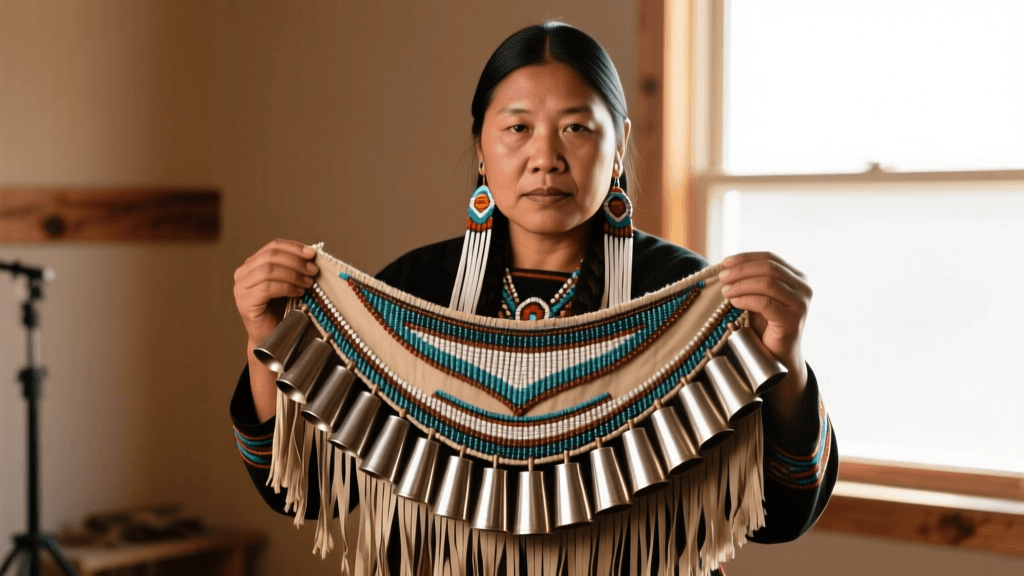
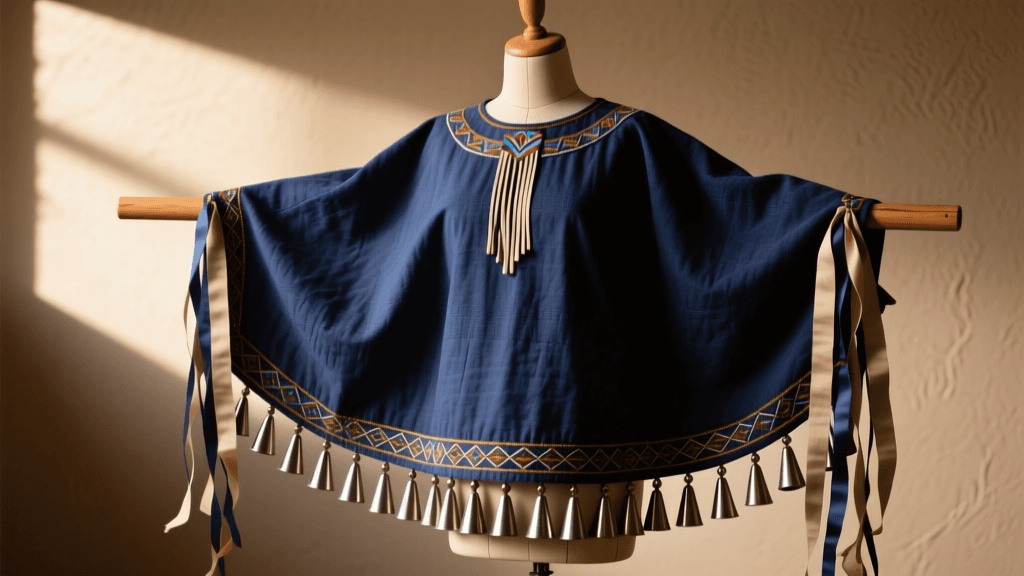
Ojibwe Floral Beadwork and Ribbonwork Regalia Guide 2026
Introduction to Anishinaabe Textile Arts
The Anishinaabe people, encompassing the Ojibwe, Odawa, and Potawatomi nations, possess a profound and vibrant textile heritage that continues to evolve in 2026. Among the most recognizable and celebrated expressions of this heritage are the intricate floral beadwork and striking silk ribbonwork that adorn traditional regalia, moccasins (makizinan), and bandolier bags. As we navigate the 2026 powwow season and witness the integration of these motifs into contemporary Indigenous fashion, understanding the deep cultural roots, regional variations, and modern material sourcing of these art forms is essential for both seasoned artisans and cultural historians. This comprehensive guide explores the techniques, symbolism, and current market dynamics of Great Lakes Indigenous dress traditions.
Historical Context: From Quills to Glass
Long before the introduction of European trade goods, Anishinaabe artisans decorated their clothing and accessories using porcupine quillwork, moose hair embroidery, and natural dyes derived from local flora. The geometric patterns inherent in quillwork dictated early design constraints, resulting in striking, angular motifs. However, the arrival of European traders in the 17th and 18th centuries introduced two revolutionary materials: glass seed beads and silk ribbons. According to the National Museum of the American Indian Collections, the transition from quillwork to beadwork allowed for unprecedented fluidity in design. Artisans quickly adapted, translating the natural world around them into the sweeping, curvilinear floral patterns that define Great Lakes beadwork today. This shift was not merely aesthetic; it represented a resilient adaptation to changing environments and economies, ensuring the survival of Indigenous artistic expression.
The Symbolism of the Floral Motif
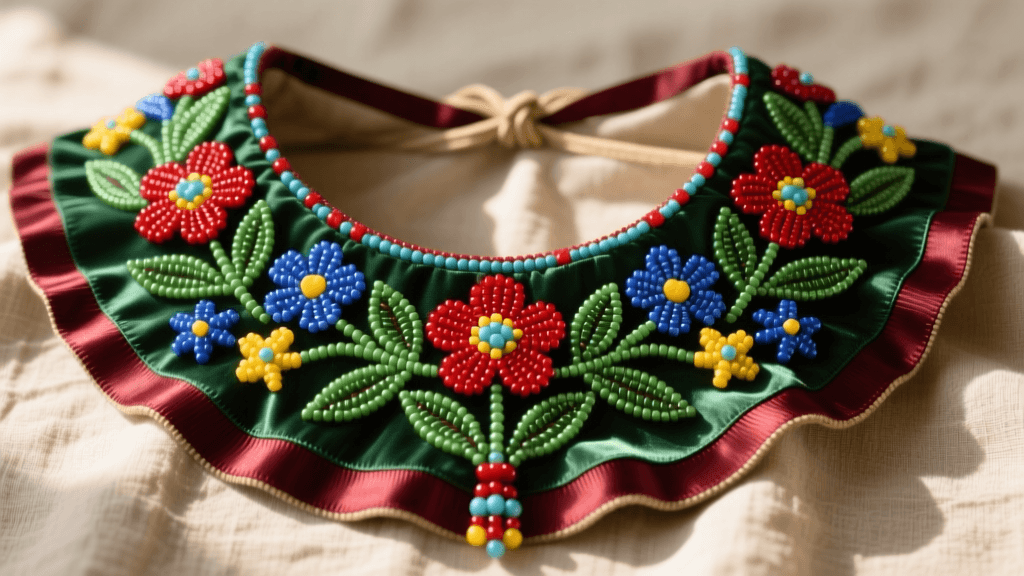
The floral designs found in Ojibwe beadwork are rarely purely decorative. They are deeply tied to the local ecosystem, medicinal plants, and spiritual beliefs. Strawberry plants, wild roses, fireweed, and maple leaves are common motifs, each carrying specific cultural teachings. For instance, the strawberry plant is often associated with the heart and the teachings of love and reconciliation, while the cedar branch represents protection and purification. In 2026, many contemporary beadworkers emphasize the importance of studying local botany and consulting with Elders to ensure the plants depicted in their regalia are accurate to their specific regional territories and clan responsibilities. The Ojibwe People's Dictionary remains an invaluable digital resource for artisans seeking the correct Anishinaabemowin terminology for the flora and fauna they immortalize in thread and glass.
Core Beadwork Stitches in Contemporary Practice
Mastering the floral aesthetic requires a deep understanding of specific stitching techniques. While there are numerous methods, two primary stitches dominate Great Lakes floral beadwork:
The Spot Stitch (Couching)
The spot stitch, often referred to as couching, is the hallmark of raised, textured floral beadwork. In this technique, a string of beads is laid onto the backing material (such as heavy wool or brain-tanned deerhide), and a second thread is used to tack the bead string down at regular intervals. This allows the artisan to create sweeping, continuous lines and tight spirals that mimic the curling vines and overlapping petals of woodland flowers. In 2026, modern synthetic sinew and pre-waxed nylon threads like Nymo or Silamide are heavily favored for the tacking thread due to their superior tensile strength and resistance to fraying compared to traditional cotton.
Two-Needle Appliqué
Also known as the lane stitch or overlay stitch, this method involves threading beads onto one needle while using a second needle to secure the thread to the backing. This stitch is typically used for filling in the solid color blocks of a floral design or creating the geometric borders that frame the organic floral centers. The tension control required for a flawless two-needle appliqué is a skill that takes years to perfect, ensuring the beads lay flat and uniform across the hide or broadcloth.
Ribbonwork Traditions: Silk and Strategy
Parallel to beadwork is the art of ribbonwork, a textile technique that transformed European silk ribbons into powerful markers of Indigenous identity. Great Lakes ribbonwork is primarily characterized by appliqué, where layers of contrasting silk ribbons are folded, cut, and sewn onto a base fabric, usually heavy wool broadcloth or stroud cloth. The resulting patterns are highly stylized, symmetrical, and feature bold, curving lines that echo the floral beadwork of the region.
Appliqué vs. Cutwork
While Prairie tribes further west often utilized intricate cutwork (where negative space is cut away to reveal a contrasting fabric underneath), Great Lakes Anishinaabe ribbonwork heavily favors the appliqué method. The edges of the ribbons are meticulously folded under to prevent fraying, a technique that requires immense patience and precision. In 2026, the resurgence of traditional plant-based dyes has also influenced ribbonwork, with some master artisans dyeing their own silk ribbons using walnut hulls, goldenrod, and bloodroot to achieve historically accurate, earth-toned palettes that stand in stark contrast to the neon synthetic ribbons of the late 20th century.
2026 Material Sourcing and Cost Analysis
Creating authentic regalia requires high-quality materials. The global supply chain shifts over the past few years have impacted the availability and pricing of traditional craft supplies. As of 2026, artisans must navigate a market where premium European glass beads and ethically sourced hides command a premium, but the investment ensures the longevity and cultural integrity of the garment.
| Material Type | 2026 Average Cost | Best Application | Durability & Notes |
|---|---|---|---|
| Czech Charlotte 13/0 | $8.50 per hank | Fine detail, floral centers, fringe | High. The single cut facet provides a brilliant sparkle essential for dance regalia. |
| Miyuki Delica 11/0 | $6.00 per 10g tube | Geometric borders, background fills | Very High. Uniform cylindrical shape ensures a flat, smooth finish. |
| Brain-Tanned Deerhide | $18.00 per sq ft | Moccasins, pouches, yokes, leggings | Exceptional. Soft, breathable, and historically accurate. Must be kept dry. |
| Heavy Wool Broadcloth | $35.00 per yard | Ribbonwork skirts, shawls, legging flaps | High. Dense weave prevents fraying when cut for ribbonwork appliqué. |
| Silk Ribbon (1 inch) | $4.50 per yard | Appliqué ribbonwork, hair ties | Moderate. Requires careful edge-folding and protection from prolonged UV exposure. |
Ethical Sourcing and Supporting Indigenous Artisans
A critical conversation in the 2026 regalia-making community revolves around ethical sourcing. The Indian Arts and Crafts Board continues to play a vital role in protecting the economic and cultural rights of Native American artisans by enforcing truth-in-marketing laws. When purchasing materials, particularly brain-tanned hides and porcupine quills, it is paramount to buy directly from Indigenous harvesters and tanners. Supporting Native-owned trading posts and tanneries not only ensures that the materials are harvested respectfully and sustainably, but it also keeps the economic benefits within the communities that originated these traditions. Furthermore, many contemporary artisans are forming cooperatives to bulk-order premium Czech glass beads directly from European manufacturers, bypassing middlemen and reducing costs for community workshops.
Caring for Heirloom and Contemporary Regalia
Whether you are preserving a century-old bandolier bag or maintaining a newly completed 2026 powwow outfit, proper storage is essential. Wool broadcloth and deerhide are highly susceptible to moisture fluctuations and pests. Regalia should be stored in acid-free tissue paper and placed in archival-quality cotton storage bags or cedar chests. Avoid plastic bins, which can trap moisture and lead to mildew, particularly on organic hide. For beaded items, lay them flat to prevent the thread from stretching or the beads from pulling through the backing material over time. Silica gel packets can be placed in storage areas to regulate humidity, ensuring that the vibrant colors of the silk ribbons and glass beads remain intact for future generations.
Conclusion: Cultural Continuity in a Modern Era
The floral beadwork and ribbonwork of the Ojibwe and broader Anishinaabe nations are not static relics of the past; they are living, breathing art forms that adapt and thrive. In 2026, a new generation of Indigenous designers and traditionalists are blending ancestral techniques with modern aesthetics, ensuring that the language of the land continues to be spoken through thread, glass, and silk. By understanding the history, mastering the techniques, and committing to ethical sourcing, artisans and enthusiasts alike play a crucial role in the ongoing story of Indigenous North American dress traditions.