2026 Jingle Dress Regalia Guide: Materials, Cones and Sewing
The Sacred Heartbeat: Introduction to Jingle Dress Regalia
The Jingle Dress, often referred to as a prayer dress, holds a deeply sacred and healing place in Native American culture. As dancers and artisans prepare for the 2026 powwow season, the demand for authentic, high-quality materials and traditional construction techniques continues to grow. Creating a Jingle Dress is not merely a sewing project; it is a spiritual endeavor that requires patience, respect for tradition, and an understanding of the garment's profound cultural significance. The distinctive sound of the metal cones—reminiscent of rain falling on a tin roof or the gentle shuffling of a healing spirit—is the heartbeat of the dance. This comprehensive guide will walk you through the precise measurements, material sourcing, and sewing techniques required to craft a beautiful, competition-ready Jingle Dress for the 2026 circuit.
Cultural Origins and Modern Significance
Originating from the Ojibwe (Chippewa) people in the early 20th century, the Jingle Dress was born from a vision meant to heal a sick child during a time of widespread illness. According to oral histories, a medicine man was visited by spirits who showed him how to construct the dress and perform the accompanying dance to bring healing to his community. Today, the dance has spread across North America, embraced by numerous tribes while maintaining its core identity as a medicine dance. According to cultural archives documented by Smithsonian National Museum of the American Indian, the Jingle Dress dance remains a powerful expression of Indigenous resilience, female empowerment, and spiritual healing. When constructing your regalia, it is vital to approach the work with a good heart and clear mind, as the energy you put into the dress is believed to resonate in its sound.
Calculating Fabric and Yardage for 2026
Selecting the right base fabric is the first critical step. Traditional Jingle Dresses are typically made from cotton calico or broadcloth. In 2026, global textile supply chains have stabilized, but the cost of premium 100% cotton broadcloth has risen slightly, averaging $8 to $12 per yard. Avoid poly-blends if possible, as they do not breathe well during hot summer powwows and can cause the heavy metal cones to tear through the fabric over time.
Yardage Requirements
For a standard adult women's dress (sizes Medium to Large), you will need between 5 to 7 yards of 45-inch wide fabric. If you are using 60-inch wide fabric, 4 to 5 yards will suffice. Always pre-wash and dry your fabric on high heat before cutting. Cotton broadcloth can shrink by 3% to 5%, and pre-shrinking ensures that your meticulously placed ribbon appliqué and cone rows do not warp after the first wash.
Pattern and Cutting
The traditional Jingle Dress features a loose, comfortable fit with a slight A-line or straight drop silhouette to allow for the rhythmic side-step and bounce of the dance. The bodice is usually fitted but not restrictive, while the skirt flows freely. Many artisans use a basic shift dress pattern as a foundation, extending the hem to just below the knee or mid-calf, ensuring the cones do not drag on the ground or catch on arena grass.
The Heartbeat: Sourcing and Selecting Jingle Cones
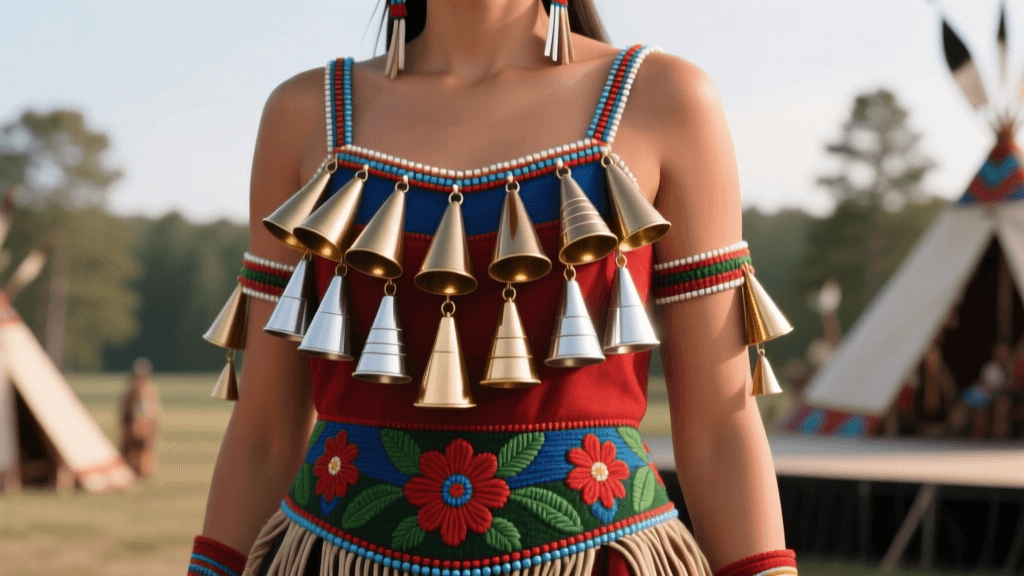
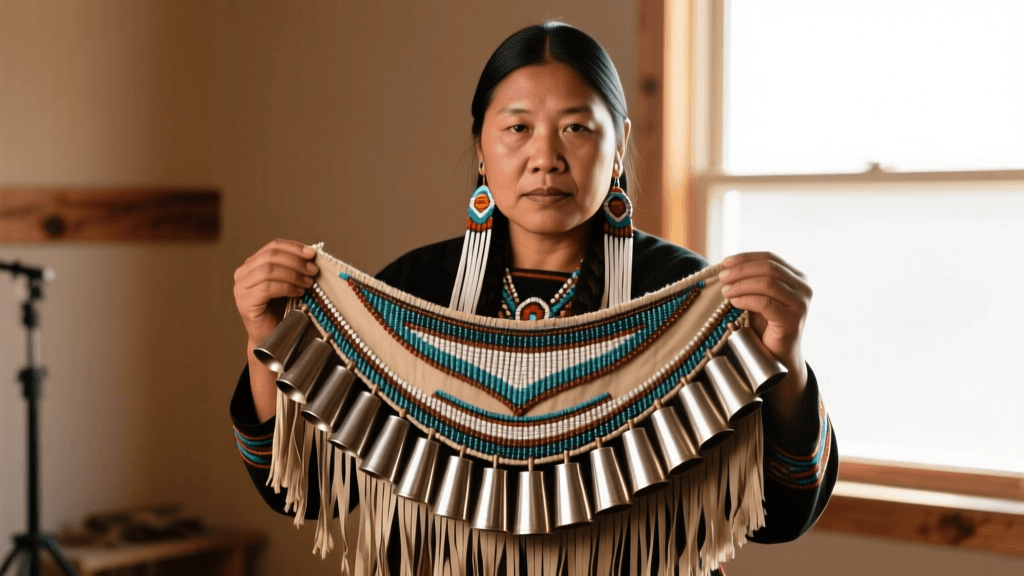
The metal cones, known as ziibaaska'iganan in Ojibwe, are the defining element of the regalia. Historically, these were hand-rolled from snuff can lids or tobacco tin. Today, dancers source commercially rolled or stamped cones. As highlighted by Powwows.com, the choice of cone material drastically alters the acoustic profile and physical weight of the dress. A standard adult dress requires anywhere from 300 to 700 cones, depending on the density of the rows and the size of the dancer.
Rolled vs. Stamped Cones
When shopping for the 2026 season, you will encounter two main types of cones. Rolled cones are formed by curling a flat piece of metal into a cylinder, leaving a slight slit that creates a sharp, bright, and resonant chime. Stamped cones are pressed from a single sheet of metal without a slit, resulting in a duller, softer clinking sound. Serious competitors and traditionalists overwhelmingly prefer rolled cones for their authentic, rain-like acoustic signature.
| Material | Sound Profile | 2026 Avg Cost (per gross) | Durability & Weight |
|---|---|---|---|
| Brass (Rolled) | Deep, resonant, traditional | $45 - $65 | Heavy, highly durable, tarnishes naturally |
| Tin (Rolled) | Bright, sharp, high-pitched | $25 - $35 | Lightweight, prone to denting |
| Copper (Rolled) | Warm, mellow, soft chime | $50 - $70 | Medium weight, develops rich patina |
| Aluminum (Stamped) | Dull, flat, quiet clink | $15 - $20 | Very light, less durable, not recommended |
For a dress requiring 500 cones, purchasing brass in bulk (by the gross, which is 144 units) will cost approximately $150 to $225 in 2026. It is highly recommended to buy 10% more than your calculated need to account for lost or damaged cones during the powwow season.
Step-by-Step Construction and Ribbon Appliqué
The visual beauty of a Jingle Dress lies in its vibrant ribbon appliqué. Ribbon work is a time-honored Indigenous textile art that requires precision and patience.
Choosing Ribbons
Use 3/8-inch or 5/8-inch wide satin, taffeta, or grosgrain ribbon. In 2026, double-faced satin ribbons are widely available and preferred because they offer a brilliant sheen on both sides, which is important as the ribbons twist and move during the dance. You will need approximately 30 to 50 yards of ribbon for a fully decorated adult dress, depending on the complexity of your geometric patterns.
The Appliqué Process
- Design Layout: Use a fabric chalk pencil to draw your geometric patterns (typically zig-zags, diamonds, or stepped lines) directly onto the dress fabric. Symmetrical designs on the front and back yoke are traditional.
- Folding and Pinning: Fold the raw edges of the ribbon under by 1/4 inch to prevent fraying. Pin the ribbon securely along your chalk lines.
- Stitching: Using a sewing machine, stitch along both edges of the ribbon using a straight stitch or a very narrow zig-zag stitch. For mitered corners (sharp 90-degree turns), fold the ribbon at a 45-degree angle, pin, and stitch carefully to maintain a crisp, professional point.
- Pressing: After sewing, use a steam iron on the cotton setting to press the ribbons flat. This ensures the appliqué lies perfectly smooth against the broadcloth.
Tying the Cones: Techniques for Durability
Attaching the cones is the most labor-intensive part of the process, but doing it correctly ensures your regalia survives the rigorous movements of the powwow arena.
Spacing and Placement
Cones are traditionally attached in horizontal rows across the skirt, and sometimes cascading down the sleeves or yoke. The standard rule of thumb for spacing is the 'fist measurement.' Place your fist between each cone to ensure they are spaced roughly 3 to 4 inches apart. If they are too close, they will tangle and muffle the sound; if they are too far apart, the dress will look sparse and lack the collective acoustic impact required for the dance.
Tying Materials
Never use thin nylon string or fishing line, as these will eventually slice through the metal eyelet of the cone and cause it to fall off. Instead, use 100% cotton twill tape (1/4-inch wide) or heavy-duty cotton embroidery floss. Cut your twill tape into 6-inch strips. Thread the strip through the eyelet of the cone, tie a secure double knot, and then stitch the other end of the twill tape directly into the fabric using a heavy-duty upholstery thread. Reinforce the back of the fabric with a lightweight fusible interfacing if you are using a thinner calico, to prevent the weight of the cones from tearing the garment.
Powwow Etiquette and Regalia Care
As you enter the 2026 powwow season with your newly crafted Jingle Dress, it is essential to observe proper cultural etiquette. Regalia is deeply personal and often blessed. Never touch another dancer's regalia without explicit permission. If a dancer drops a cone or a piece of their outfit in the arena, do not pick it up and hand it to them; instead, stand near it to protect it and notify the Arena Director, who will facilitate its return according to tribal protocols.
To care for your dress, hang it in a cool, dry place away from direct sunlight, which can fade the vibrant ribbons. Before traveling to a powwow, carefully wrap the bottom rows of cones in a soft cloth or bubble wrap to prevent them from scratching the fabric or tangling in transit. By honoring the materials, the construction process, and the spiritual roots of the Jingle Dress, you contribute to the enduring legacy of Indigenous healing and artistry for generations to come.