LDS Temple Garments 2026: Religious Meaning & Modern Styles
The Sacred Foundation of the Temple Garment
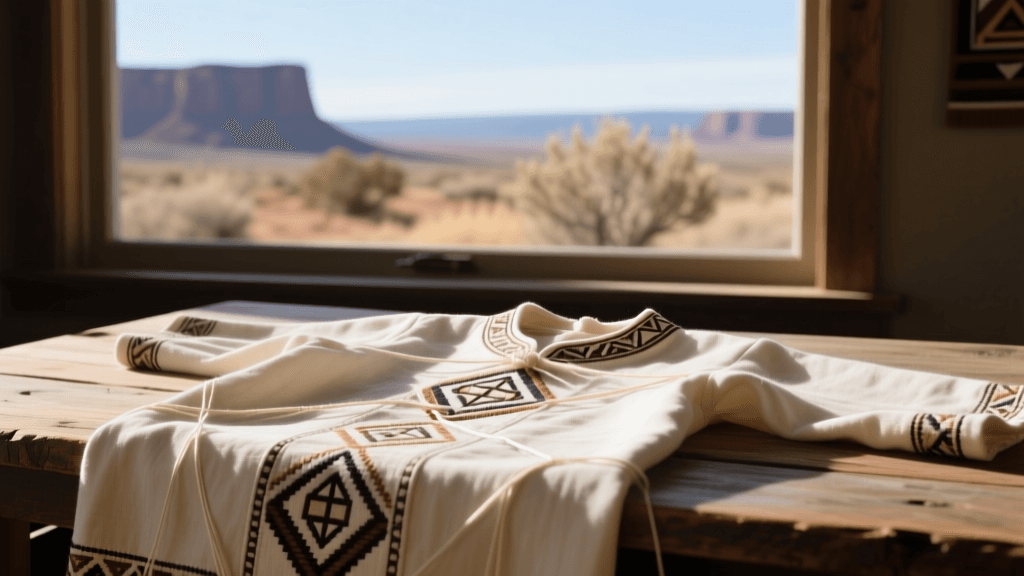
For members of The Church of Jesus Christ of Latter-day Saints, the temple garment is far more than a simple undergarment; it is a profound, sacred symbol of faith, covenants, and spiritual protection. Often referred to respectfully as the 'garment of the holy priesthood,' it serves as a constant, tangible reminder of the covenants made within the sacred walls of Latter-day Saint temples. As we navigate the cultural and textile landscape of 2026, the intersection of this deeply religious apparel with the diverse climates and Indigenous cultures across the Americas presents a fascinating study of faith, tradition, and modern material science.
Unlike secular modesty movements or general religious dress codes, the LDS temple garment is strictly reserved for those who have participated in the temple endowment ordinance. It is worn day and night, serving as a spiritual shield and a personal commitment to live a life aligned with the teachings of Jesus Christ. Understanding the religious meaning of the garment is essential to appreciating its cultural footprint, particularly as the Church's membership continues to grow rapidly across Latin America and among Indigenous communities in North America.
Decoding the Sacred Symbolism and Markings
The religious meaning of the temple garment is intricately tied to its specific design and markings. According to the Church's official Gospel Topics Essays, the garment features distinct marks that hold allegorical significance, pointing the wearer's mind to spiritual truths and eternal principles. These markings are not magical talismans, but rather visual reminders of the wearer's promises to God.
Historically woven directly into the fabric, modern 2026 iterations often feature these markings embroidered or screen-printed with soft, skin-friendly inks to maximize comfort. The primary markings include:
- The Square: Represents justice, equity, and the importance of keeping one's actions and thoughts aligned with moral correctness.
- The Compass: Symbolizes an undeviating course in relation to truth, constancy, and the eternal nature of God's love.
- The Navel Mark: A reminder of the need for constant spiritual nourishment and the vital connection between the physical body and the spirit.
- The Knee Mark: Represents the willingness to bow in prayer, signifying humility, reverence, and submission to the will of the Almighty.
These symbols transform a simple piece of clothing into a wearable sanctuary, allowing the wearer to carry the sanctity of the temple into their daily lives, whether they are working in a high-rise in New York City or farming in the highlands of Guatemala.
Cultural Intersections: Indigenous and Latin American Perspectives
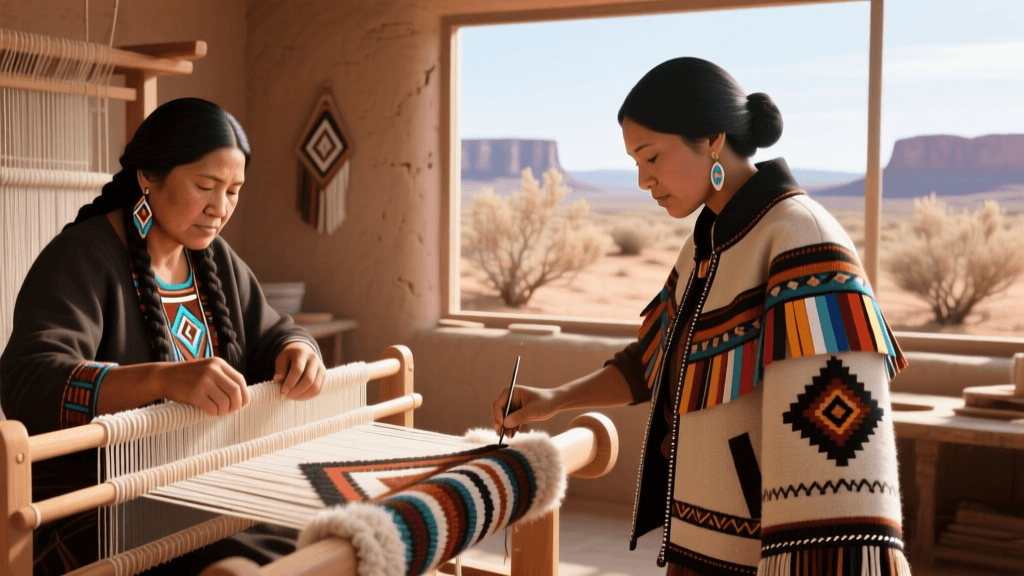
The Americas are home to a rich tapestry of Indigenous cultures and Latin American traditions, many of which have intersected beautifully with the Latter-day Saint faith. For Native American Latter-day Saints, such as those within the Navajo (Diné) or Hopi nations, the temple garment is often viewed not as a colonizing imposition, but as a deeply personal spiritual anchor that coexists harmoniously with their Indigenous identity. When participating in cultural events, powwows, or traditional family ceremonies, Native LDS members carefully adapt their traditional regalia to accommodate the modesty requirements of the garment, ensuring that their cultural expression honors both their heritage and their faith.
Similarly, in Latin America, where the Church has seen exponential growth, the garment influences the design and selection of traditional and folkloric clothing. For example, members participating in Ballet Folklórico or regional festivals in Mexico and Central America often work with local tailors to design performance dresses that feature higher necklines and longer sleeves, elegantly accommodating the garment without sacrificing the vibrant, historical accuracy of the folkloric dress. In the humid, tropical climates of regions like the Yucatán Peninsula or the Amazon basin, the challenge of wearing a multi-layered garment has historically been significant. However, the 2026 advancements in textile engineering have dramatically improved the daily experience for these members.
The 2026 Evolution of Garment Textiles
The year 2026 marks a significant milestone in the manufacturing and distribution of temple garments. Recognizing the global nature of its membership and the diverse climates of the Americas, the Church's distribution centers have introduced a highly refined lineup of sustainable, high-performance fabrics. The days of relying solely on heavy, traditional cotton are long gone. Today's members have access to advanced textiles that prioritize breathability, moisture-wicking, and eco-friendly production.
The 2026 catalog available through the official Church Distribution Store highlights several key innovations:
- Sustainable Modal Blends: Derived from sustainably harvested beech trees, these fabrics offer a silk-like softness that is highly resistant to shrinking and fading, making them ideal for everyday wear in temperate climates.
- Performance Dry-Mesh: Designed specifically for members living in the intense heat of Central America, the US Southwest, or those engaged in rigorous physical labor and athletics. This 2026 fabric features micro-venting technology that pulls sweat away from the body.
- Stretch Cotton-Elastane: Offering a tailored, modern fit that moves with the body, this blend is incredibly popular among younger members and professionals who wear fitted, modern business attire.
2026 Fabric Comparison and Climate Guide
Choosing the right garment fabric is essential for comfort and compliance, especially when navigating the diverse weather patterns across the Americas. Below is a comprehensive guide to the primary fabrics available in 2026, their ideal use cases, and current pricing estimates.
| Fabric Type (2026) | Best Climate / Activity | Key Features | Est. Price (USD) |
|---|---|---|---|
| Traditional Cotton | Cool / Temperate | Durable, classic feel, highly absorbent | $11.50 |
| Stretch Cotton Blend | Moderate / Office Wear | Flexible, retains shape, smooth under suits | $13.00 |
| Micro-Modal | Year-Round / Sensitive Skin | Ultra-soft, lightweight, eco-friendly dyes | $14.50 |
| Performance Dry-Mesh | Tropical / High-Heat / Athletics | Moisture-wicking, anti-microbial, rapid-dry | $16.00 |
| Thermal Insulated | Extreme Cold / Outdoor Winter Work | Heat-retaining, brushed interior fleece | $17.50 |
Sizing, Purchasing, and Modesty Guidelines
Purchasing temple garments in 2026 is a streamlined process, primarily conducted online through the Church's secure distribution portal or in person at local distribution centers attached to temples and meetinghouses. Because the garment is considered sacred, it is not sold in secular retail stores or standard clothing boutiques.
Proper sizing is critical for both comfort and the respectful wearing of the garment. The 2026 sizing charts have been updated to reflect more inclusive and precise body measurements. When ordering, members are advised to measure their chest, natural waist, and inseam using a soft measuring tape. For women, the 2026 catalog continues to offer a robust selection of styles, including cap-sleeve, short-sleeve, and stretch-lace neckline options, allowing for seamless integration with a wide variety of outerwear. Modesty guidelines dictate that outer clothing should be sufficient to completely cover the garment, ensuring that the sacred markings and the garment itself are not exposed to public view.
Care, Maintenance, and Respectful Disposal
Caring for modern temple garments requires attention to the specific fabric blends introduced in recent years. While traditional cotton can withstand high-heat washing and drying, the 2026 Performance Dry-Mesh and Micro-Modal lines require gentler care to maintain their structural integrity and moisture-wicking properties. Members are advised to wash these garments in cold water with mild, bleach-free detergents and tumble dry on low heat or air dry.
When a garment becomes worn, torn, or unusable, it must be disposed of in a respectful manner. The sacred markings are carefully cut out and destroyed (typically by cutting them into small pieces or burning them), while the remaining fabric can be discarded in the regular trash or repurposed as cleaning rags. This practice underscores the deep reverence members hold for the symbols embedded within the clothing, ensuring that what is holy is not treated as common refuse.
Conclusion: An Enduring Symbol in a Modern World
As we look at the religious and cultural landscape of 2026, the LDS temple garment stands as a testament to the enduring nature of faith amidst rapid material and societal change. For the millions of Latter-day Saints across the Americas—from the bustling streets of São Paulo to the Indigenous reservations of the American Southwest—the garment remains a unifying, sacred thread. It bridges the gap between ancient covenants and modern living, proving that deep religious meaning can be seamlessly woven into the very fabric of our daily lives. For those seeking to understand the purpose of Latter-day Saint temples and the ordinances performed within them, the garment serves as the most personal, intimate extension of that sacred work, carried quietly and faithfully into the world.