Authentic Oaxacan Zapotec Huipils: 2026 Buying Guide
The Enduring Legacy of the Zapotec Huipil
The Oaxacan Zapotec huipil stands as one of the most profound expressions of Indigenous identity and textile mastery in the Americas. As we navigate the global artisan market in 2026, the demand for authentic, ethically sourced Latin American traditional garments has reached unprecedented heights. Collectors, fashion historians, and conscious consumers are increasingly turning their attention to the intricate backstrap-woven huipiles of Oaxaca, Mexico. However, this surge in popularity has also led to a proliferation of mass-produced imitations. This comprehensive 2026 buying guide will equip you with the knowledge to identify, source, and care for authentic Zapotec huipiles, ensuring your investment supports the living heritage of Indigenous artisans.
Cultural Significance and Wearable Codices
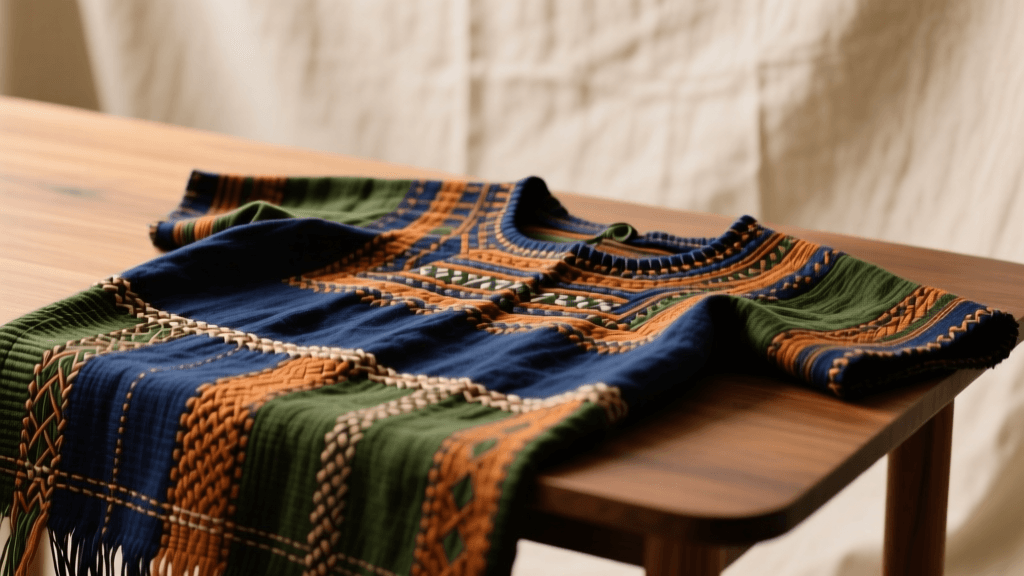
To understand the value of a Zapotec huipil, one must first understand its cultural and historical weight. The huipil—a traditional Mesoamerican tunic worn by Indigenous women—is far more than a simple article of clothing. It is a wearable codex, a geographic identifier, and a spiritual shield. In Zapotec communities across Oaxaca, from the coastal plains to the rugged Sierra Norte, the patterns woven into the fabric communicate the wearer’s village, marital status, and cosmological beliefs. In 2026, cultural preservation organizations emphasize that purchasing a huipil is an act of participating in a living tradition. According to the Museo Textil de Oaxaca, the continuation of pre-Hispanic weaving techniques is a form of cultural resistance against homogenization. The garments are traditionally constructed from three panels of hand-woven cotton, joined together with intricate randa (decorative stitching) that symbolizes the union of the earthly and the divine.
Identifying Authentic Backstrap Weaving vs. Loom Fakes
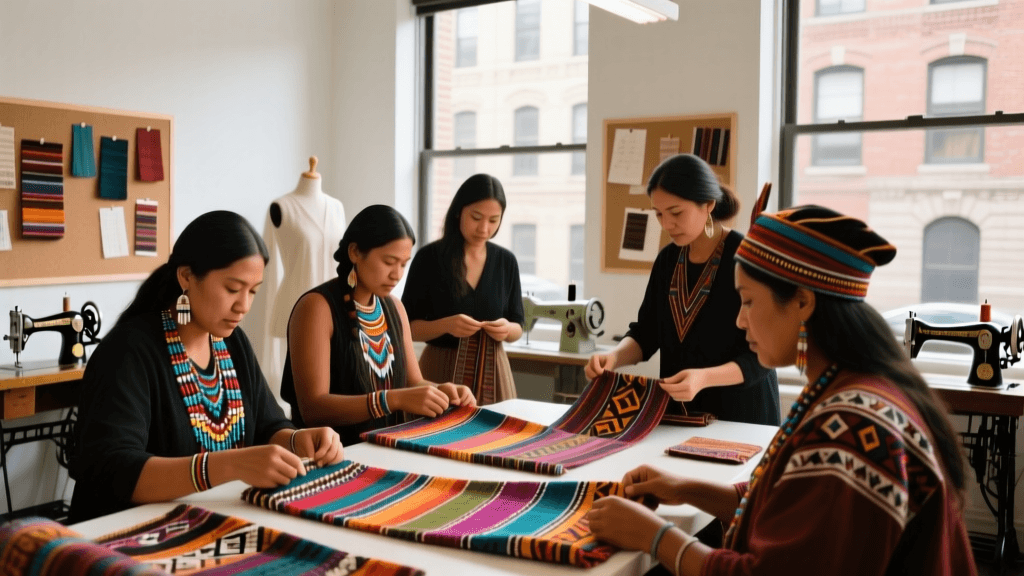
The most critical factor in authenticating a traditional Zapotec huipil is understanding the weaving technique. True ceremonial and high-quality daily huipiles are woven on a backstrap loom, known in Spanish as a telar de cintura. This ancient, portable loom relies on the weaver’s body weight to create tension on the warp threads. As you examine a potential purchase in 2026, look closely at the edges, or selvedges, of the fabric. A genuine backstrap-woven piece will have perfectly finished, continuous selvedges on both sides because the fabric is woven exactly to the width of the weaver’s body. In contrast, garments produced on European-style pedal looms (telar de pedal) or modern power looms are woven in long, wide bolts and then cut to shape, leaving raw edges that are later hemmed or serged.
Furthermore, the brocade patterns—where supplementary weft threads are manually added to create geometric designs of corn, mountains, and local fauna—are integrated directly into the weave on a backstrap loom. On mass-produced fakes, these patterns are often embroidered onto the surface of the fabric after the fact, or digitally printed. Run your fingers over the design; if it feels like a separate layer of thread sitting on top of a uniform grid, it is likely machine-embroidered rather than hand-woven.
The 2026 Natural Dye Palette: Cochineal, Indigo, and Marigold
In 2026, the renaissance of natural dyes has become a major focal point for serious textile collectors and ethical fashion advocates. The Zapotec weavers of Oaxaca are globally renowned for their mastery of organic colorants, a knowledge base that dates back centuries. The most famous of these is cochineal (Dactylopius coccus), a parasitic insect that lives on the nopal cactus. When dried and crushed, it yields a spectacular range of reds, pinks, and purples, depending on the mordant used. Another cornerstone of the Oaxacan palette is añil, or natural indigo, which requires a complex, living fermentation vat to reduce the indigo leaves into a soluble dye. Marigold (cempasúchil), pecan shells, and huizache pods are also used to achieve vibrant yellows, deep browns, and charcoal blacks.
However, climate fluctuations in the mid-2020s have impacted the harvest yields of both nopal and marigold, making authentic, naturally dyed cotton significantly more expensive and highly sought after in 2026. Synthetic aniline dyes, while colorfast and cheap, lack the subtle, living variations of organic dyes. To verify natural dyes, experts often look for the slight irregularities in color saturation that occur naturally, and some collectors even use portable UV lights, as natural indigo and cochineal react distinctly under ultraviolet illumination compared to their synthetic counterparts.
Pricing and Sourcing Authentic Pieces in 2026
Navigating the pricing landscape of Oaxacan textiles requires an understanding of the labor and materials involved. A single backstrap-woven huipil can take anywhere from two to six months of daily weaving to complete. Below is a 2026 market comparison to help you budget and identify the tier of garment you are purchasing.
| Garment Category | Weaving Technique | Materials & Dyes | 2026 Average Price (USD) |
|---|---|---|---|
| Mass-Produced Souvenir | Power Loom / Machine Embroidery | Synthetic Blends, Aniline Dyes | $30 - $60 |
| Semi-Artisan Pedal Loom | Pedal Loom (Telar de Pedal) | Commercial Cotton, Mixed Dyes | $90 - $180 |
| Authentic Backstrap Brocade | Backstrap Loom (Telar de Cintura) | Hand-spun Cotton, Natural Dyes | $400 - $950 |
| Vintage Ceremonial Tehuana | Hand-embroidered Velvet | Silk Thread, Vintage Velvet | $1,500 - $3,500+ |
How to Care for Your Natural-Dyed Textiles
Once you have acquired an authentic, naturally dyed Zapotec huipil, proper care is essential to preserve the integrity of the organic fibers and colorants. Natural dyes are inherently more sensitive to pH imbalances and UV degradation than synthetic dyes. Never wash a naturally dyed huipil in a washing machine or use harsh commercial detergents. Instead, hand-wash the garment in cold water using a pH-neutral, eco-friendly soap specifically designed for delicate textiles.
- Submerge the huipil gently and avoid vigorous scrubbing, which can distort the tension of the hand-woven cotton.
- After washing, do not wring the fabric. Lay the huipil flat on a clean, dry cotton towel.
- Roll the towel up to gently press out the excess moisture, and then lay the garment flat to dry in a shaded, well-ventilated area. Direct sunlight will rapidly fade natural cochineal and indigo.
- For storage, fold the huipil with acid-free tissue paper and keep it in a cedar-lined drawer or a breathable cotton bag to protect it from humidity and textile pests.
Ethical Sourcing and Supporting Artisan Cooperatives
As the global appreciation for Indigenous textile arts continues to grow in 2026, the conversation around ethical sourcing and cultural appropriation has never been more vital. The line between cultural appreciation and exploitation is defined by how the artisan is compensated and credited. When sourcing a Zapotec huipil, bypass middlemen and tourist traps that pressure weavers into lowering their prices. Instead, seek out established artisan cooperatives and organizations that guarantee fair trade practices.
The Fundación Alfredo Harp Helú Oaxaca (FAHHO) has been instrumental in establishing infrastructure and fair-market access for Indigenous weavers, ensuring that the financial benefits of the global textile market return directly to the communities. Additionally, global nonprofits like Nest work to map artisan supply chains, providing transparency and ensuring that traditional garment makers receive living wages and retain the intellectual property rights to their ancestral designs. By purchasing directly from these vetted cooperatives, you are not merely buying a beautiful garment; you are actively funding the economic sovereignty and cultural survival of the Zapotec people.