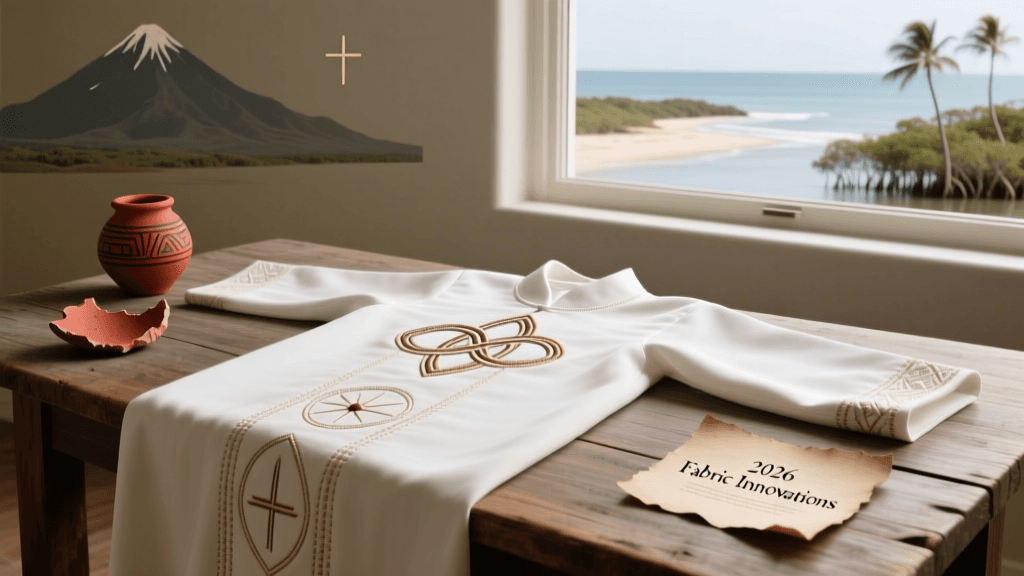
Mormon Temple Garments in 2026: Meaning, Styles & Traditions

Understanding the Spiritual Significance of LDS Temple Garments
For members of The Church of Jesus Christ of Latter-day Saints (often referred to as Mormons), the temple garment is a profoundly sacred article of clothing. Often misunderstood by those outside the faith, these garments are not magical or mystical items; rather, they serve as a deeply personal, physical reminder of the covenants (promises) made with God during the sacred temple Endowment ceremony. Much like a wedding ring serves as a continuous, visible reminder of marital vows, the temple garment acts as a private, spiritual anchor for faithful Latter-day Saints, reminding them of their commitment to live a virtuous, Christ-centered life.
According to the Church's official Gospel Topics essays, the garment represents the 'armor of God' referenced in the New Testament. It is a symbol of protection, modesty, and dedication. Members who have participated in the temple Endowment are instructed to wear the garment day and night throughout their lives, removing it only for activities where it would be impractical or disrespectful to do so, such as swimming, bathing, or participating in rigorous contact sports.
Historical Context: From 19th-Century Nauvoo to 2026
The tradition of wearing sacred undergarments traces back to the early 1840s in Nauvoo, Illinois, when the Prophet Joseph Smith introduced the temple Endowment to early Church members. Originally, the garment was a one-piece union suit that extended to the wrists and ankles, reflecting the modesty standards and practical clothing norms of the 19th century. Over the decades, as global fashion and daily living conditions evolved, the Church leadership authorized modifications to the garment's design to accommodate modern lifestyles, military service, and varying global climates.
By 2026, the evolution of the temple garment reflects a highly globalized Church membership. With millions of active members residing in tropical, arid, and temperate regions across the Americas, Africa, and Asia, the Church's Distribution Services have optimized their textile supply chains to offer highly breathable, ergonomic, and culturally adaptable options. The modern garment is a two-piece set (a top and bottom) that closely resembles standard contemporary undergarments, allowing members to participate fully in modern professional, athletic, and social environments while maintaining their sacred commitments.
Sacred Markings and Their Symbolism
What truly distinguishes a temple garment from ordinary underclothing is the presence of specific, woven marks. These marks are not mere decorations; they are rich in allegorical meaning, tying the wearer to the creation narrative, the fall of Adam and Eve, and the Atonement of Jesus Christ. While the exact nature of the temple ceremony is kept sacred and private by members, the general symbolism of the marks is well-documented in approved Church literature:
- The Compass: Represents the importance of keeping one's life aligned with truth, staying on the correct spiritual path, and avoiding the pitfalls of the world.
- The Square: Symbolizes exactness, honor, and integrity in all personal and professional dealings.
- The Navel Mark: A reminder of the need for continuous spiritual nourishment and the vital connection between the physical body and the spirit.
- The Knee Mark: Represents the willingness to bow in prayer, submit to the will of God, and seek divine guidance in all things.
These markings are carefully integrated into the fabric during the manufacturing process. In 2026, advanced embroidery and woven-in techniques ensure that these marks do not irritate the skin, maintaining both the sacredness and the physical comfort of the garment.
Modern 2026 Garment Styles and Fabric Technologies
A major shift in the availability and design of temple garments occurred over the last few years, culminating in the diverse, highly functional catalog available to members in 2026. Following extensive feedback from global membership—particularly women seeking options that accommodate modern professional and casual necklines—the Church introduced and fully standardized rounded necklines and cap sleeves. As reported by the Deseret News during the initial rollout, these updates were designed to help members honor their covenants without having to compromise on standard, modest outerwear.
Today, members can purchase garments through the official Church Distribution Services in a variety of cuts and fabrics tailored to specific needs.
2026 LDS Garment Style Comparison Chart
| Style Option | Neckline | Sleeve Length | Primary Fabrics | Best Use Case / Climate |
|---|---|---|---|---|
| Classic Traditional | Crew | Short | 100% Cotton, Cotton-Poly | Temperate climates, everyday wear, traditional outerwear. |
| Rounded Neckline | Scoop / Round | Short | Cotton, Stretch Blends | Modern women's apparel, wider necklines, office wear. |
| Cap Sleeve (Women's) | Scoop / Round | Cap (Shoulder) | Stretch Mesh, Cotton | Warm climates, active lifestyles, sleeveless modest tops. |
| Stretch Mesh | Crew / Scoop | Short | Nylon / Spandex Blend | Tropical climates, high-activity, athletics, high humidity. |
| Military / Flame Resistant | Crew | Short | Modacrylic Blends | Active-duty military personnel, firefighters, industrial work. |
Guidelines for Wearing, Caring, and Disposal
The tradition of wearing the garment comes with specific guidelines regarding respect and care. Because the garment is considered sacred, members are taught to treat it with the utmost reverence. It is worn as the innermost layer of clothing, directly against the skin, and is designed to be kept hidden from public view. This practice reinforces the deeply personal and private nature of the covenants it represents.
When it comes to laundering, modern 2026 fabrics require standard care—machine washing in cold or warm water and tumble drying on low. However, the tradition of respect extends to the eventual disposal of the garment. When a garment becomes worn, stretched out, or damaged beyond repair, it is not simply thrown into the household trash. Members are instructed to carefully cut out the sacred markings and destroy them (often by burning or shredding) so that the symbols are not discarded disrespectfully. The remaining, unmarked fabric can then be disposed of in a normal, respectful manner, or repurposed as cleaning rags.
Purchasing Traditions and the Temple Recommend
Unlike typical religious apparel that can be bought by anyone at a retail store, the purchase of marked temple garments is strictly regulated to preserve their sacred nature. To buy marked garments, an individual must possess a current 'Temple Recommend'—a small card signed by local ecclesiastical leaders (a Bishop and a Stake President) that verifies the member is in good standing and has completed the necessary temple preparations.
In 2026, the purchasing process is highly streamlined. Members can order garments online via the Church's secure distribution portal, where their temple recommend status is verified digitally through their Church account. Alternatively, garments can be purchased in person at Deseret Book stores, local temple distribution centers, and specialized kiosks located inside or adjacent to Latter-day Saint temples worldwide. For new Endowment participants, it is a time-honored tradition for family members or mentors to accompany them to the distribution center to help them select their first set of garments, offering guidance on sizing, fabric choices, and how to properly integrate them into their daily wardrobe.
Unmarked garments (often referred to as 'carrying the marks' when they are ready to be marked by the wearer or a local leader, though this practice is rare today as most are factory-marked) or specific modesty undergarments are sometimes available without a recommend, but the official, marked temple garment remains exclusively reserved for endowed members. This careful stewardship ensures that the garment retains its profound spiritual weight and continues to serve as a quiet, powerful source of strength for millions of Latter-day Saints navigating the modern world.