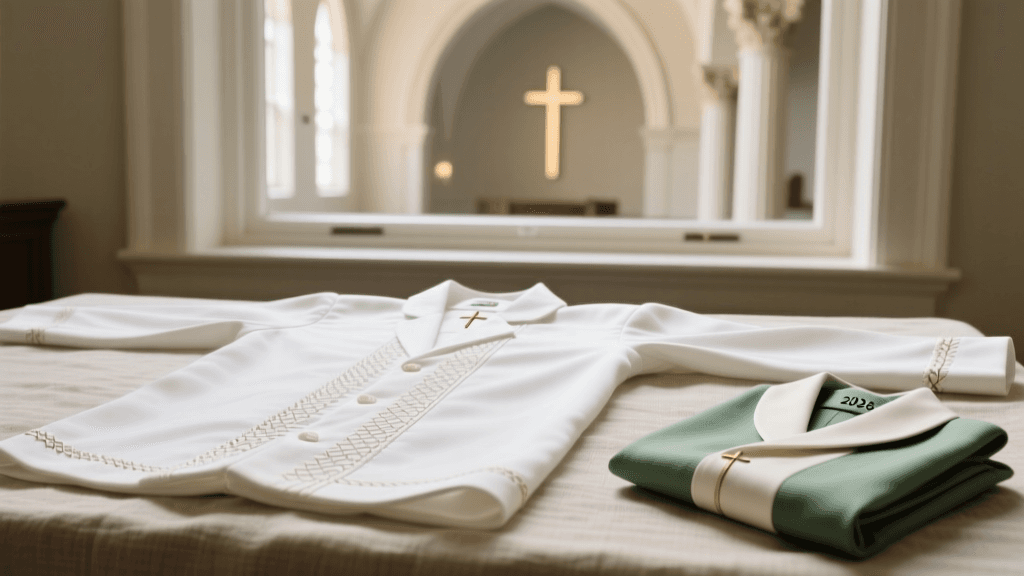
Mormon Garments in 2026: Meaning, Purpose & Modern Styles
Understanding LDS Temple Garments in 2026
For members of The Church of Jesus Christ of Latter-day Saints, the temple garment is a deeply sacred piece of clothing that holds profound spiritual significance. Often misunderstood by those outside the faith, these undergarments are worn by endowed members as a daily, tangible reminder of the covenants they make in Latter-day Saint temples. As of 2026, the Church has continued to refine garment designs, offering a wider array of inclusive sizing, sustainable fabrics, and modern cuts to accommodate the diverse, global lifestyles of its members.
At The Garment Atlas, we explore the rich tapestry of religious and traditional clothing across the Americas and the world. In this comprehensive guide, we examine the meaning, historical evolution, modern 2026 styles, and purchasing traditions surrounding LDS temple garments.
The Spiritual Meaning and Sacred Purpose
To understand the purpose of Mormon garments, one must look beyond the physical fabric and focus on the spiritual symbolism they carry. According to the Gospel Topics Essay on Temple Garments, the clothing serves as a protective reminder of the wearer's promises to God. They are not considered magical or mystical; rather, they function similarly to the Jewish tzitzit, the Sikh kara, or the Muslim hijab—acting as an outward expression of an inward commitment and a constant prompt for mindful, righteous living.
The garment represents sacred covenants and fosters modesty, serving as a constant, tangible reminder of the wearer's commitments to God and their faith.
The garments feature specific symbolic marks woven or stitched into the fabric. These marks represent gospel principles, such as the compass (symbolizing an undeviating course in relation to the truth), the square (representing virtue and honor), the navel (signifying the need for constant spiritual nourishment), and the knee (reminding the wearer of the importance of prayer). While the exact nature of the temple ceremony remains sacred and private to members, the symbols on the garments serve as a personal, daily compass for moral and spiritual decision-making.
Historical Evolution of the Garment
The tradition of wearing sacred undergarments dates back to the early days of the Latter-day Saint movement in the 19th century. Originally, the garments resembled the standard one-piece union suits of the era, featuring long sleeves and long legs. As societal clothing norms shifted throughout the 20th century, the Church adapted the designs to allow members to participate fully in modern society while maintaining their covenants.
In the 1920s and 1930s, the one-piece suit was separated into a top and bottom. Over the decades, sleeves and hems were shortened to accommodate changing fashion trends, such as the introduction of short-sleeved shirts and knee-length skirts. By the 2010s and into 2026, the Church introduced significant updates to address the needs of women and athletes. Today, members can choose from cap-sleeve tops, v-necklines, and specialized athletic wear, ensuring that the sacred tradition remains practical for a modern, active global membership.
2026 Fabric Guide and Style Comparison
In 2026, the Church Distribution network offers a highly optimized selection of fabrics designed for varying climates, skin sensitivities, and activity levels. The focus in recent years has been on breathability, moisture-wicking technology, and durable, eco-conscious textiles. Below is a comparison of the primary garment styles available this year.
| Fabric Type | Best Use Case | Climate Suitability | 2026 Price Range |
|---|---|---|---|
| Cotton | Everyday wear, sensitive skin | Temperate | $12.00 - $14.00 |
| Stretch Mesh | Hot weather, active lifestyles | Tropical / Summer | $14.00 - $16.00 |
| Athletic Blend | Sports, gym, high movement | All (Active) | $15.00 - $17.00 |
| Modesty (Long) | Winter, conservative dress | Cold | $14.00 - $16.00 |
Key 2026 Updates: The athletic blend line has recently been upgraded with advanced anti-odor and quick-dry microfibers, making them ideal for members engaged in high-intensity workouts or living in extremely humid regions. Additionally, the stretch mesh line now features reinforced stitching at high-stress points to improve longevity without sacrificing breathability.
Traditions, Rules, and Practical Exceptions
The general tradition and expectation is that endowed members wear their garments day and night. However, Church leadership has provided practical guidelines for situations where wearing the garment is impossible, unsafe, or impractical. In 2026, the Church continues to emphasize that the spirit of the law and personal revelation should guide members in these exceptions.
Common, acceptable exceptions for temporarily removing the garment include:
- Swimming, bathing, and water sports
- Strenuous athletic activities where the garment would be damaged or cause injury
- Medical examinations, surgeries, and specific medical procedures
- Intimate marital relations
- Activities where the garment would be exposed to excessive dirt or chemicals that cannot be washed out
Members are encouraged to put the garments back on as soon as the activity is complete. The tradition emphasizes personal responsibility and reverence rather than rigid, legalistic enforcement.
Where to Purchase and 2026 Pricing
Unlike standard clothing, LDS temple garments cannot be purchased at conventional retail stores. They are strictly distributed through official Church channels to maintain their sacred nature and ensure quality control. In 2026, the primary methods for acquiring garments include:
- The Official Church Store: Members can order directly through the Church Distribution Services website. The online portal verifies the member's endowed status via their Church account before allowing the purchase.
- Local Distribution Centers: Physical stores located adjacent to many Latter-day Saint temples and select meetinghouses worldwide.
- Authorized Retailers: Stores like Deseret Book often carry a limited selection of garment styles and fabrics, though the full 2026 inventory is best accessed online or at dedicated distribution centers.
Pricing is heavily subsidized by the Church to ensure accessibility for members globally. As of 2026, individual garment tops and bottoms generally range from $12.00 to $17.00 USD, depending on the fabric technology and style selected.
Proper Care and Respectful Disposal
Caring for temple garments requires a balance of practical laundry habits and spiritual respect. Because the garments feature sacred symbols, members are taught to treat them with care, avoiding actions that might be deemed disrespectful.
Washing and Drying Best Practices
- Temperature: Wash in cold or warm water. Hot water can degrade the elastic and shrink cotton blends.
- Detergents: Use mild, standard laundry detergents. Avoid harsh bleach, which can break down the fibers and fade the symbolic markings.
- Drying: Tumble dry on low heat or air dry. High heat is particularly damaging to the stretch mesh and athletic blends introduced in recent years.
Respectful Disposal
When garments become worn, torn, or no longer fit, they must be disposed of respectfully. The long-standing tradition dictates that members cut out the sacred marks (the symbols on the fabric) and destroy them, typically by cutting them into small pieces and discarding them in the trash. The remaining, unmarked fabric can be thrown away, repurposed as cleaning rags, or, if the garment is completely unworn and unused, donated to a local bishop for distribution to members in need.
Conclusion
Mormon temple garments represent a profound intersection of faith, tradition, and daily life. Far from being a mere uniform, they are a deeply personal and sacred reminder of the covenants Latter-day Saints make with God. With the continued evolution of garment styles in 2026—ranging from high-tech athletic blends to inclusive, modest designs—the Church ensures that this sacred tradition remains both spiritually meaningful and practically viable for its millions of members worldwide. Understanding the purpose and care of these garments offers a unique window into the devotional lives of Latter-day Saints and the broader landscape of religious textile traditions in the Americas.