NYC & LA Garment Districts: 2026 Indigenous Textile Sourcing Guide
The Evolution of American Fashion Hubs for Indigenous Designers
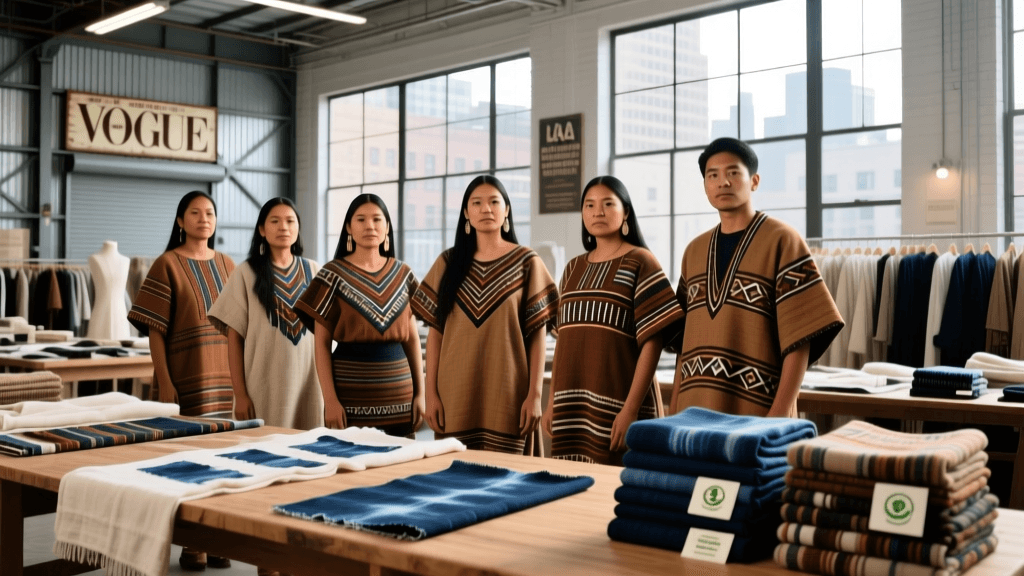
The landscape of American fashion manufacturing has undergone a radical transformation leading into 2026, particularly concerning how Indigenous designers, traditional garment makers, and Native-owned apparel brands source their materials. Historically, the major garment districts in the United States were built around fast fashion and mass production, often sidelining the specific needs of traditional regalia makers and contemporary Indigenous fashion houses. However, the current ecosystem in both the New York City Garment District and the Los Angeles Fashion District has pivoted heavily toward sustainability, ethical supply chains, and cultural authenticity. For designers creating everything from traditional ribbon shirts and wool blanket coats to contemporary Indigenous streetwear, knowing how to navigate these urban textile hubs is more critical than ever.
In 2026, the demand for traceable, natural fibers and culturally appropriate textiles has forced major wholesalers to adapt. Indigenous designers are no longer just looking for the cheapest yardage; they are seeking organic cottons, ethically sheared wools, heavy-duty canvases for embroidery, and specialized ribbons that honor traditional craftsmanship while meeting modern durability standards. This guide provides a comprehensive, actionable roadmap for sourcing materials in America's two most prominent fashion hubs, ensuring your supply chain is both culturally respectful and commercially viable.
Navigating the New York City Garment District in 2026
The New York City Garment District, nestled between 34th and 42nd Streets in Manhattan, remains the historic heart of American fashion. According to the Save the Garment Center initiative, the district has successfully retained its status as a premier hub for high-quality, small-batch manufacturing and specialized textile sourcing. For Indigenous designers based on the East Coast or those producing high-end contemporary Native fashion, NYC offers unparalleled access to premium natural fibers and specialized trims.
Sourcing Traditional and Contemporary Materials
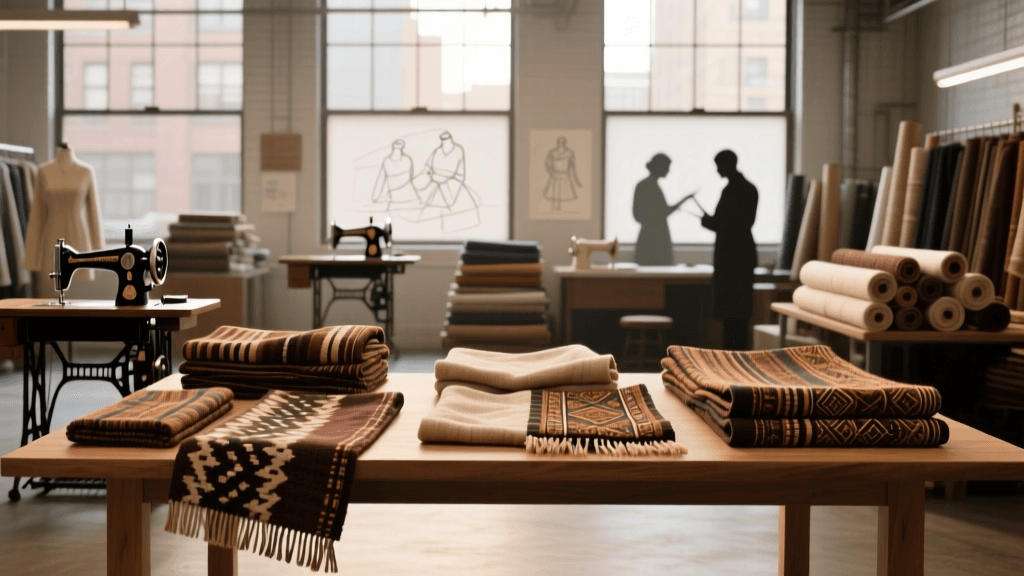
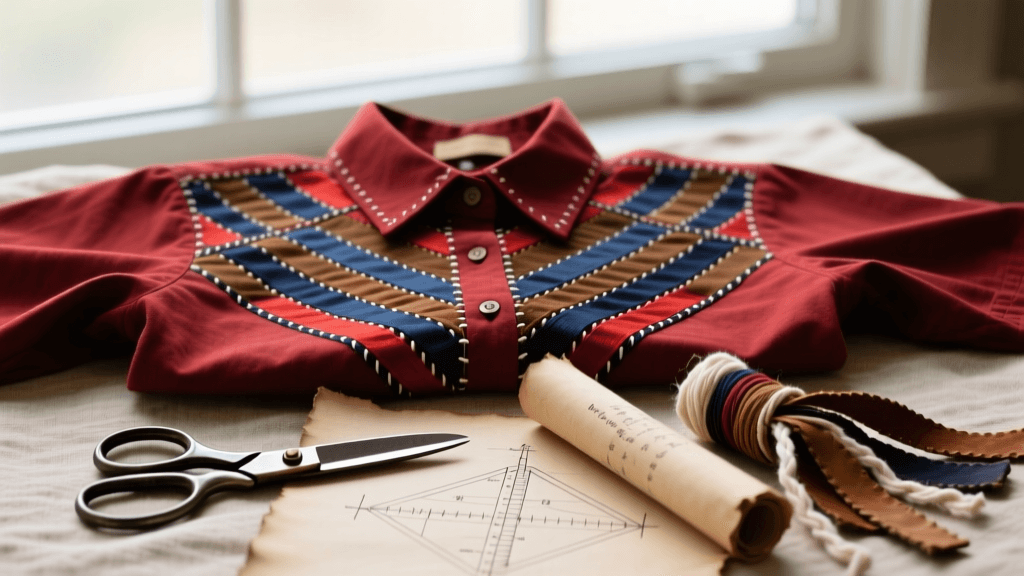
When sourcing for traditional garments such as woolen blanket coats or broadcloth ribbon shirts, the NYC district excels in premium naturals. In 2026, specialized wholesalers on 38th and 39th Streets have expanded their inventory of GOTS-certified (Global Organic Textile Standard) organic cottons and ethically sourced merino wools. For ribbon work—a vital component of many Native American regalia traditions—designers can find high-quality, colorfast satin and grosgrain ribbons in bulk at dedicated trim stores along 37th Street. Unlike the synthetic, easily frayed ribbons of the past decade, the 2026 inventory heavily features double-faced, high-density weaves that withstand the rigorous movement of powwow dancing and ceremonial wear.
The Shift Toward Micro-Manufacturing
Beyond raw materials, the NYC Garment District in 2026 is a hub for micro-manufacturing. Many Indigenous fashion brands utilize the district's sample rooms to produce small, culturally significant capsule collections. The proximity of fabric stores, pattern makers, and cut-and-sew facilities within a ten-block radius allows designers to oversee the entire production process, ensuring that sacred motifs and traditional construction methods are respected and accurately executed by local artisans.
The Los Angeles Fashion District: A Hub for West Coast and Latin American Textiles
While NYC focuses on premium wools and high-end trims, the Los Angeles Fashion District—centered around Maple Avenue, 9th Street, and Olympic Boulevard—is the undisputed king of heavy-duty cottons, sustainable denim, and vibrant embroidery materials. This district is particularly vital for designers working at the intersection of Native American, Indigenous Mexican, and broader Latin American traditional garment traditions.
Specialty Sourcing for Embroidery and Heavy Weaves
The LA Fashion District is the premier destination for sourcing the heavy canvas, manta (unbleached cotton), and specialized embroidery floss required for traditional Latin American garments like the huipil or the guayabera, as well as contemporary Indigenous streetwear. In 2026, the California Fashion Association has reported a massive surge in the availability of recycled and waterless-dyed denim within the district, catering to the eco-conscious mandates of modern Indigenous brands. Wholesalers along 9th Street offer massive selections of mercerized cotton threads in hundreds of colorways, essential for the intricate, time-honored embroidery techniques utilized by Indigenous artisans across the Americas.
Accessibility and Volume
One of the distinct advantages of the LA Fashion District in 2026 is its accessibility for emerging designers and smaller tribal enterprises. Many vendors in the Santee Alley and surrounding wholesale plazas offer lower minimum order quantities (MOQs) compared to their NYC counterparts. This allows Indigenous makers to purchase smaller batches of specialized textiles, reducing upfront capital risk while still accessing commercial-grade materials suitable for retail production.
Comparative Guide: NYC vs. LA Garment Districts
Choosing between New York and Los Angeles depends heavily on the specific material requirements of your Indigenous garment line. Below is a structured comparison of the two hubs based on 2026 market conditions.
| Feature | NYC Garment District | LA Fashion District |
|---|---|---|
| Primary Textile Focus | Premium wools, silks, high-end trims, broadcloth | Heavy cottons, denim, manta, embroidery threads |
| Best For Indigenous Designers | Ribbon shirts, wool blanket coats, high-end contemporary fashion | Huipiles, Indigenous streetwear, embroidered regalia, everyday wear |
| Average Wholesale Minimums | Higher (often 50+ yards per SKU) | Lower (often 10-25 yards per SKU) |
| 2026 Sustainability Focus | Zero-waste cutting facilities, traceable animal fibers | Waterless denim dyeing, recycled cotton blends |
| Transit Hub Proximity | Close to major East Coast ports and rail freight | Adjacent to the Port of LA and major West Coast logistics routes |
Best Practices for Ethical and Cultural Sourcing
As the global fashion industry continues to grapple with cultural appropriation, Indigenous designers and allies must be hyper-vigilant when sourcing textiles in 2026. The mass production of counterfeit Native prints and unauthorized replication of sacred geometric patterns remains a significant issue in both the NYC and LA districts. To protect cultural intellectual property, it is essential to adhere to strict ethical sourcing guidelines.
Avoiding Counterfeit and Appropriated Prints
When browsing print houses and fabric jobbers, designers must actively avoid purchasing mass-produced textiles that mimic traditional Indigenous weaving patterns, such as Navajo (Diné) rug motifs or Andean textile geometries, unless they are explicitly licensed from Indigenous cooperatives. The Indian Arts and Crafts Board provides vital resources and legal frameworks to help designers and consumers identify authentic Indigenous-made goods and avoid supporting manufacturers that exploit traditional designs. In 2026, the most reputable fabric suppliers in both NYC and LA have implemented strict vetting processes, removing culturally appropriated prints from their shelves and instead offering blank, high-quality base fabrics that allow Indigenous artists to apply their own authentic, community-specific patterns through traditional beadwork, embroidery, or natural dyeing.
Seeking Out Indigenous-Owned Wholesalers
A major development in 2026 is the rise of Indigenous-owned wholesale textile distributors operating within these major fashion hubs. These distributors act as vital bridges, importing raw, ethically harvested materials directly from tribal lands and Indigenous farming cooperatives, and selling them to designers in the city. Sourcing from these vendors not only guarantees the cultural authenticity of the materials but also ensures that the economic benefits of the fashion supply chain flow back into Indigenous communities.
Logistics and Shipping for Remote Indigenous Communities
For many traditional garment makers and Indigenous fashion brands, the design studio or reservation is located far outside the urban centers of NYC and LA. Navigating the logistics of transporting heavy textiles from the garment districts to remote Indigenous communities requires careful planning and an understanding of 2026 freight rates.
Less Than Truckload (LTL) Freight Strategies
Purchasing fabric in bulk usually means dealing with standard 60-inch width rolls that weigh between 40 and 80 pounds each. Shipping these via standard parcel carriers is cost-prohibitive. In 2026, the most cost-effective method for moving textiles from NYC or LA to remote areas (such as the Navajo Nation, rural Andean communities, or Northern Plains reservations) is Less Than Truckload (LTL) freight. Designers should request that district vendors palletize their orders. A standard 40x48-inch wooden pallet can hold up to 1,500 pounds of fabric. Current LTL rates average between $1.50 and $2.50 per mile, depending on fuel surcharges and the remoteness of the delivery zip code.
Timing and Climate Considerations
When shipping natural fibers like wool and untreated cotton, climate control during transit is a critical consideration. If your materials are shipping from the humid East Coast or the arid West Coast to a region with extreme temperature fluctuations, ensure your vendor uses moisture-barrier poly-bagging for every roll before palletizing. In 2026, most major logistics hubs in NYC and LA offer climate-controlled warehousing for an additional 5% fee, which is highly recommended to prevent mold, mildew, or fiber degradation before the materials even reach your remote studio.
Conclusion
The NYC and LA garment districts remain the beating hearts of American fashion manufacturing, but their relevance to Indigenous designers in 2026 hinges on a commitment to sustainability, ethical practices, and cultural respect. By understanding the unique strengths of each hub—whether it is the premium wools and trims of Manhattan or the heavy cottons and embroidery threads of Los Angeles—Indigenous garment makers can build robust, authentic supply chains. As the industry continues to evolve, prioritizing ethical sourcing and supporting Indigenous-owned distributors within these urban centers will ensure that the rich textile traditions of the Americas are preserved, respected, and celebrated on the global stage.