Plains Indian Ribbon Shirts: 2026 Material & Pattern Guide
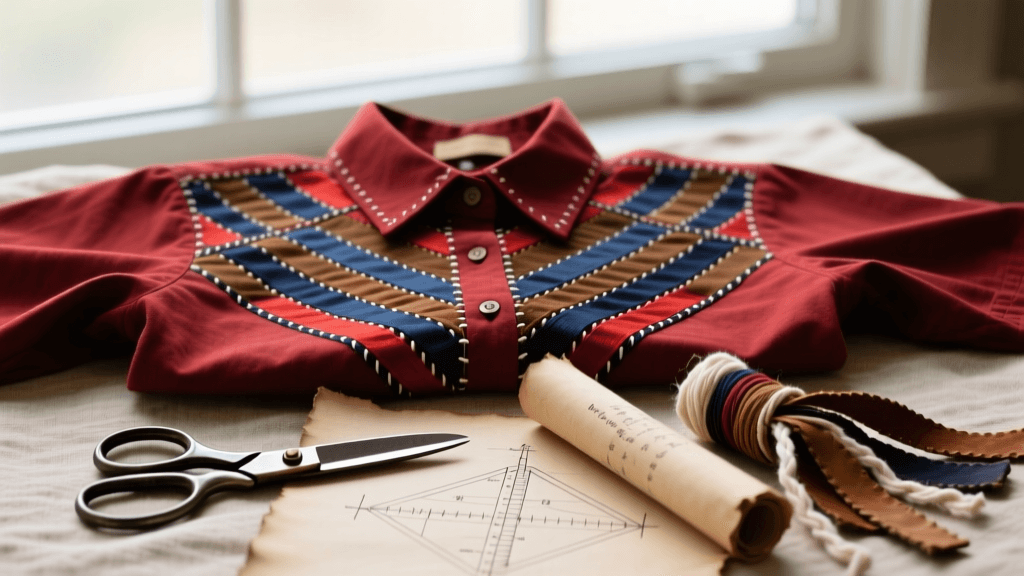
The ribbon shirt is far more than a simple garment; it is a living testament to Indigenous resilience, adaptation, and artistry. Originating among the Plains tribes, this iconic piece of clothing has evolved from its 19th-century trade-cloth roots into a powerful symbol of cultural pride worn across North America. As we navigate the 2026 powwow season and everyday cultural expression, the ribbon shirt remains a staple in Native American wardrobes. Whether you are a seasoned regalia maker, a fashion historian, or an enthusiast looking to support authentic Native artisans, understanding the regional variations, material requirements, and construction techniques of the ribbon shirt is essential.
The Historical Evolution of the Ribbon Shirt
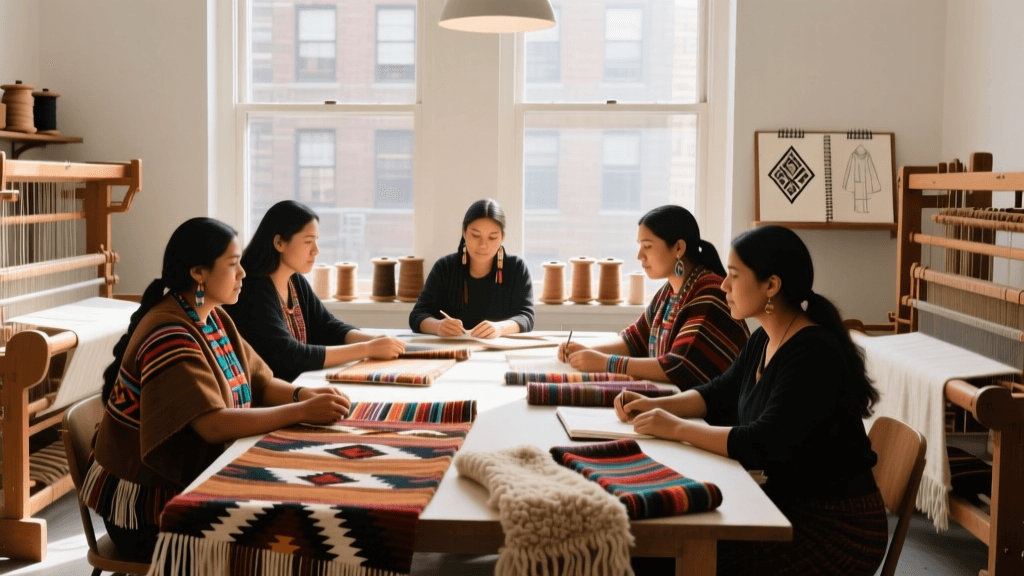
Before European contact, Plains tribes utilized animal hides, intricately tanned and decorated with porcupine quills, paint, and later, glass beads. The introduction of trade cloth by European fur traders and military personnel fundamentally shifted Indigenous sartorial practices. Cotton calico, wool stroud, and silk ribbons became highly prized trade items. Native women, known for their exceptional sewing and appliqué skills, quickly adapted these new materials to fit traditional silhouettes and cultural needs.
By the late 19th and early 20th centuries, the ribbon shirt had become a distinct pan-Indian garment, though specific tribes developed highly recognizable regional styles. The integration of military uniform elements, such as the drop-shoulder and standing collars, blended with Indigenous aesthetic preferences for bold, contrasting colors and geometric ribbon appliqué.
Osage Origins: The Wedge Shirt
The Osage Nation is widely credited with pioneering the distinct 'wedge' or 'drop-shoulder' ribbon shirt. Historically, Osage men adopted elements of 19th-century military and civilian coats, transforming them using trade cloth. The traditional Osage wedge shirt features a unique yoke construction where the sleeves are set in a way that creates a dropped shoulder line, providing ease of movement essential for dancing and daily labor. In 2026, the Osage wedge shirt remains a highly sought-after silhouette, often constructed from heavy cotton broadcloth and featuring intricate, multi-layered ribbon work on the chest, sleeves, and hem.
Lakota and Dakota Adaptations
Further north, the Lakota and Dakota peoples developed their own distinct approach to the ribbon shirt. While the Osage favored complex yoke cuts, Northern Plains artisans often utilized a standard tailored shirt block, elevating it through elaborate ribbon appliqué. Lakota ribbon shirts frequently feature bold, contrasting satin ribbons applied in symmetrical, geometric patterns across the chest yoke and down the sleeves. According to the Smithsonian National Museum of the American Indian, Northern Plains ribbon work often incorporates symbolic colorways that reflect clan affiliations, personal achievements, or spiritual visions.
Southern Plains Variations
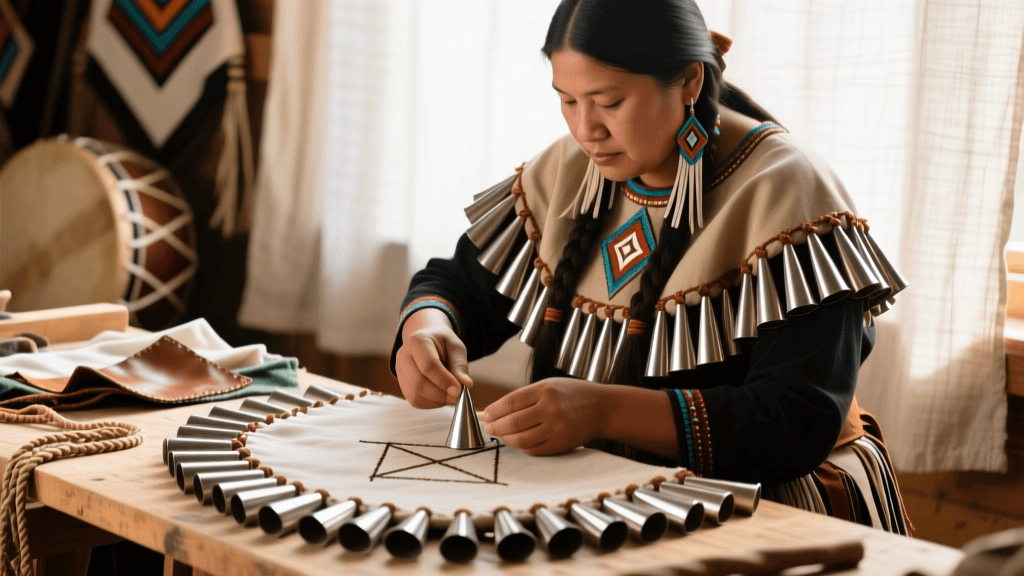
Tribes such as the Comanche, Kiowa, and Pawnee developed Southern Plains styles that often incorporate lighter fabrics suitable for warmer climates. These shirts may feature ruffled yokes, intricate tin-cone jingles integrated into the ribbon work, and vibrant, multi-colored floral or geometric appliqué. The Southern Plains style heavily influenced the modern powwow ribbon shirt seen across the continent today.
Regional Distinctions at a Glance
| Tribe / Region | Silhouette & Cut | Key Design Features (2026 Trends) | Common Materials |
|---|---|---|---|
| Osage (Central Plains) | Wedge shirt, dropped shoulder, military collar | Structured yoke, heavy chest appliqué, tailored hem | Heavy cotton broadcloth, wide satin ribbons |
| Lakota / Dakota (Northern Plains) | Standard tailored block, straight sleeves | Symmetrical geometric chest patterns, bold contrast | Cotton-poly blends, medium-width grosgrain |
| Comanche / Kiowa (Southern Plains) | Lighter cut, sometimes ruffled or gathered yoke | Floral motifs, integrated metal jingles, vibrant hues | Lightweight calico, silk or rayon ribbons |
Sourcing Authentic Materials in 2026
Creating a high-quality ribbon shirt requires specific materials that can withstand the rigors of powwow dancing, outdoor ceremonies, and frequent washing. As of 2026, the supply chain for Indigenous textiles has shifted significantly toward sustainability and Native-owned enterprises.
- Base Fabric: 100% cotton broadcloth or heavy-weight calico remains the gold standard. It breathes well in summer heat and holds the weight of the ribbon appliqué without sagging. In 2026, many artisans are sourcing organic, Native-milled cottons from cooperatives in the Southwest, which offer superior colorfastness compared to imported synthetics.
- Ribbons: Avoid cheap, single-faced polyester ribbons that fray and melt when ironed. The best choice is double-faced satin or high-quality grosgrain. Brands like May Arts and Offray continue to dominate the market, but purchasing from Native-owned bead and fabric supply shops ensures your money supports the community.
- Thread and Notions: Use heavy-duty polyester or cotton-wrapped polyester thread. The tension required to sew through multiple layers of ribbon and broadcloth will snap standard cotton thread. Invest in size 14 or 16 denim needles for your sewing machine to prevent skipped stitches.
Step-by-Step Construction and Measurements
Whether you are sewing for yourself or a family member, precision in the ribbon appliqué is what separates a novice shirt from a masterwork. Here is a foundational guide to constructing a standard Plains-style ribbon shirt.
1. Drafting the Pattern and Cutting
Start with a well-fitting commercial shirt pattern, but modify the front and back yokes. For a traditional look, extend the front yoke to drop approximately 8 to 10 inches below the collarbone. Cut your base fabric, ensuring you add a 1/2-inch seam allowance throughout. The sleeves should be cut slightly wider than a standard dress shirt to accommodate the bulk of the ribbon rows without restricting arm movement during dancing.
2. Preparing the Ribbon Appliqué
The most time-intensive part of the process is the appliqué. Cut your ribbons to length, adding 1 inch on each side for hemming. Using a fabric-safe marking pen, draw your geometric design onto the front and back yoke pieces before assembly. Pin the ribbons in place, starting from the center and working outward to ensure perfect symmetry. Use a narrow zigzag stitch or a straight stitch with a 1/8-inch edge fold to secure the ribbons. In 2026, many artisans use water-soluble stabilizers beneath the fabric to prevent the broadcloth from puckering under the dense stitching.
3. Assembly and Finishing
Once the yokes are fully appliquéd, assemble the shoulders, attach the sleeves, and sew the side seams. Finish the interior seams with a serger or a French seam to prevent fraying. The collar should be a traditional standing band, often accented with a single row of contrasting ribbon. Finally, hem the bottom and cuffs with a blind stitch for a clean, professional finish.
Caring for and Preserving Heirloom Shirts
A well-made ribbon shirt is an investment and often becomes a family heirloom. To preserve the vibrant colors and structural integrity of the garment, avoid harsh chemical detergents and high-heat drying. In 2026, textile conservators recommend washing cotton ribbon shirts in cold water with a pH-neutral detergent, turning the garment inside out to protect the ribbon edges. Air drying is mandatory; the heat from a commercial dryer will warp the satin ribbons and cause them to shrink at a different rate than the cotton base, leading to severe puckering.
Supporting Authentic Native Artisans
If you are not a seamstress or prefer to commission a piece, it is vital to ensure you are purchasing authentic Native American art. The mass production of 'Native-inspired' clothing by overseas fast-fashion brands remains a pervasive issue. To protect Indigenous intellectual property and support tribal economies, always verify the heritage of the artist. The Indian Arts and Crafts Board (IACB), a division of the U.S. Department of the Interior, provides excellent resources and directories for finding verified Native artisans and cooperatives. Furthermore, organizations like the Native Arts and Cultures Foundation frequently highlight master regalia makers and textile artists who are keeping these traditions alive.
Commissioning a custom ribbon shirt in 2026 typically ranges from $350 for a basic, machine-appliquéd design to over $800 for complex, hand-finished Osage wedge shirts featuring premium organic materials. When purchasing at major events like the Santa Fe Indian Market or the Heard Museum Guild Fair, engage directly with the artists to learn about the specific tribal meanings behind their color choices and geometric patterns.
Conclusion
The Plains Indian ribbon shirt is a masterclass in cultural adaptation and aesthetic brilliance. From the structured elegance of the Osage wedge to the bold geometry of Lakota appliqué, these garments carry the history, resilience, and ongoing vitality of Indigenous North America. By understanding the distinct regional patterns, sourcing high-quality materials, and supporting authentic Native makers, we ensure that the legacy of the ribbon shirt continues to thrive for generations to come.