NYC & LA Garment District Sourcing Guide 2026: Textile Hubs
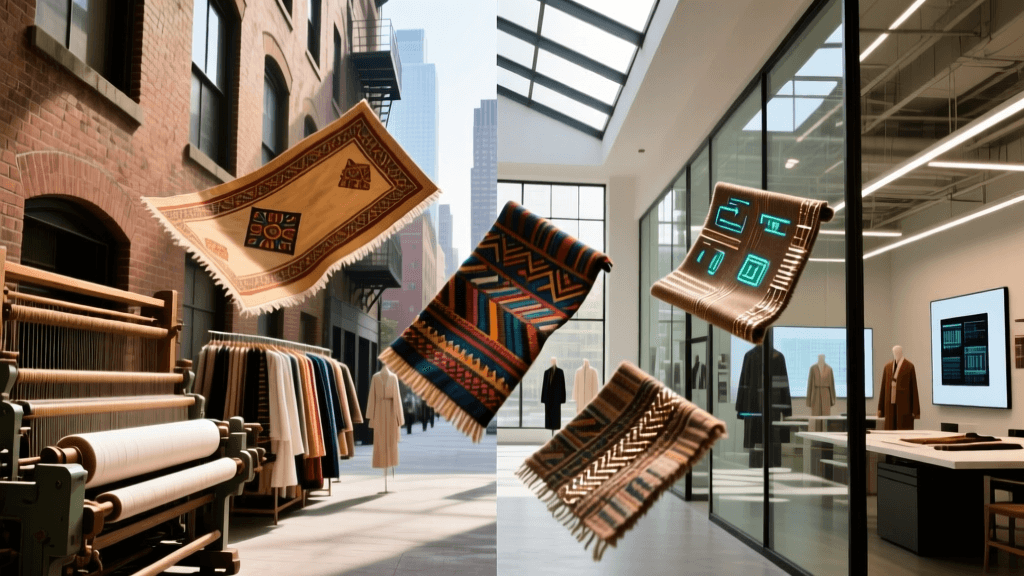
The Evolution of American Fashion Hubs in 2026
As we navigate the fashion and textile landscape in 2026, the traditional garment districts of the United States have undergone a remarkable renaissance. Far from the declining industrial zones of the early 21st century, today’s American fashion hubs are highly specialized, technologically integrated, and increasingly focused on sustainable and ethical sourcing. For designers, historians, and cultural preservationists focusing on the Americas and Indigenous clothing traditions, understanding how to navigate these urban textile centers is more critical than ever.
Whether you are seeking authentic Andean alpaca weaves imported through Los Angeles, or high-end bespoke tailoring supplies in the heart of Manhattan, the NYC and LA garment districts remain the beating heart of American fashion production. This comprehensive 2026 guide will walk you through the streets, showrooms, and hidden alleys of these vital hubs, with a special focus on sourcing traditional and Indigenous textiles ethically and efficiently.
The New York City Garment District: Heritage and High Fashion
The New York City Garment District, roughly bounded by 34th and 42nd Streets from Fifth to Ninth Avenues, remains a global epicenter for high fashion, theatrical costuming, and luxury textile sourcing. Thanks to the continued advocacy of organizations like the Save the Garment Center, the area has successfully preserved its manufacturing zoning protections well into 2026, ensuring that local sewing rooms, pleating shops, and fabric jobbers can survive alongside towering corporate fashion headquarters.
Key Streets and Sourcing Spots
If you are sourcing materials for traditional garment reproduction or high-end Indigenous-inspired contemporary fashion, you need to know exactly which blocks to walk:
- West 38th Street: The undisputed king of fabric sourcing. Buildings like 224 W 38th St house dozens of multi-brand showrooms. In 2026, many of these showrooms have implemented AI-driven inventory kiosks, allowing you to scan a physical swatch and instantly see yardage availability, dye-lot variations, and sustainability certifications.
- West 39th Street: Known for trims, buttons, and embellishments. If you are recreating historical Native American beadwork or traditional Latin American embroidery, the specialized bead and thread shops here offer archival-quality materials that are impossible to find online.
- Seventh Avenue: The historic home of American fashion design. While mostly corporate showrooms today, the upper floors of several pre-war buildings still house master pattern-makers and sample rooms that specialize in complex, structured garments like traditional corsetry and tailored outerwear.
Sourcing Indigenous and Traditional Textiles in NYC
While NYC is not a primary manufacturing hub for Indigenous textiles, it is a major import and distribution center for luxury natural fibers. Showrooms specializing in vicuña, baby alpaca, and ethically sourced Navajo-Churro wool operate primarily by appointment. Designers working with traditional American garments must request specific "heritage fiber" lookbooks, which are often kept separate from mainstream seasonal collections due to the limited, small-batch nature of the supply chain.
The Los Angeles Fashion District: Fast Fashion and Sustainable Artisans
Spanning roughly 100 blocks just south of downtown, the Los Angeles Fashion District is a sprawling, chaotic, and endlessly fascinating ecosystem. According to the California Fashion Association, LA remains the undisputed capital of cut-and-sew manufacturing in the United States, particularly for knitwear, denim, and contemporary casual wear. However, in 2026, the district has also become a vital gateway for Latin American and Indigenous textile imports.
Navigating the LA Fashion District
Unlike the vertical, high-rise showrooms of NYC, LA’s district is largely horizontal, characterized by massive wholesale marts and street-level storefronts.
- The California Market Center (CMC): Located on Main Street, this massive complex is the anchor of the district. While heavily focused on contemporary wholesale apparel, the CMC’s textile annex houses importers specializing in Mexican manta cotton, Oaxacan woven textiles, and Guatemalan ikat (jaspe) fabrics.
- Maple Avenue and 9th Street: This intersection is the epicenter of the fabric stores. Here, you will find vast rolls of denim, jersey, and woven cottons. It is also the best place to source heavy-duty canvas and twill used in traditional workwear and historical American frontier garments.
- San Pedro Street: Known for its dense concentration of sewing contractors and sample makers. If you are launching a line that incorporates traditional Mesoamerican silhouettes, the skilled machinists in this area are adept at handling complex seam allowances and heavy, textured fabrics.
Latin American and Indigenous Textile Imports in LA
Los Angeles serves as the primary North American entry point for textiles originating from Mexico, Central America, and the Andean regions of South America. In 2026, ethical sourcing is heavily regulated and monitored. Importers in the LA district are now required to provide digital chain-of-custody certificates for textiles marketed as "Indigenous-made" or "artisan-woven." This transparency ensures that the weavers in communities like Teotitlán del Valle or the Sacred Valley are receiving fair compensation and that the textiles are not mass-produced counterfeits.
Ethical Sourcing and the Indian Arts and Crafts Act
When sourcing materials or finished garments that claim Native American or Indigenous origins, buyers in both NYC and LA must be acutely aware of federal regulations. The Indian Arts and Crafts Board strictly enforces the Indian Arts and Crafts Act, which prohibits the misrepresentation of Native American-produced arts and crafts.
2026 Compliance Note: As of this year, major fashion districts have implemented stricter vendor vetting processes. If a showroom in LA or NYC is selling "Navajo-inspired" rugs or "Pueblo-style" woven jackets, they must clearly label them as non-Native made if they were not crafted by a member of a federally recognized tribe. Always ask for the artisan’s tribal enrollment documentation or the enterprise’s certification when purchasing authentic Indigenous textiles for retail or archival purposes.
Comparison Chart: NYC vs. LA Garment Districts (2026 Data)
To help you plan your sourcing trip, we have compiled a comparison of the two major hubs based on current 2026 industry averages and operational realities.
| Feature | NYC Garment District | LA Fashion District |
|---|---|---|
| Primary Specialty | Luxury wovens, tailoring, theatrical, high-end trims | Knitwear, denim, cut-and-sew, Latin American imports |
| Average Fabric MOQ | 50 - 100 yards (Jobbers often sell smaller cuts) | 100 - 300 yards (Roll-based pricing dominates) |
| Sampling Cost (Per Style) | $250 - $500+ | $120 - $250 |
| Lead Times (Local Production) | 4 - 8 weeks | 2 - 5 weeks |
| Best For Indigenous Textiles | Archival luxury fibers (Vicuña, Churro Wool) | Woven cottons, Ikat, Manta, contemporary artisan blends |
| Navigation Tech | Vertical showroom directories, AI inventory kiosks | Street-level mapping apps, wholesale mart digital catalogs |
Emerging American Textile Hubs Beyond the Coasts
While NYC and LA dominate the volume, 2026 has seen the rise of secondary hubs that specialize in heritage and traditional American manufacturing:
- Nashville, Tennessee: Rapidly becoming the center for heritage denim and Americana workwear. The local mills here specialize in selvedge denim and heavy canvas, perfect for reproducing 19th-century frontier garments.
- Portland, Oregon: A hub for sustainable outdoor and technical textiles. Portland’s district is heavily focused on eco-friendly dyeing processes and waterproof natural waxes, drawing inspiration from Pacific Northwest Indigenous weather-proofing techniques.
- Austin, Texas: Known for its leatherworking and Western wear. The artisan workshops surrounding the Austin garment corridor are the premier destination for sourcing tooled leather, silver conchos, and traditional vaquero apparel components.
Practical Sourcing Tips for 2026
To make the most of your time in these bustling districts, keep these actionable strategies in mind:
- Book Showroom Appointments Early: The post-pandemic shift to appointment-only showrooms has become permanent in 2026. Walk-ins are rarely accommodated in high-end NYC fabric houses. Use industry platforms to book slots at least two weeks in advance.
- Hire a District Fixer: If you are new to the LA Fashion District, hiring a local sourcing agent or "fixer" for a day can save you dozens of hours. They know exactly which Maple Avenue storefronts carry authentic Oaxacan cotton versus mass-produced polyester imitations.
- Carry a Digital Swatch Library: With the integration of augmented reality (AR) tools in 2026, many buyers use tablets to instantly color-match physical fabric rolls against their digital mood boards right in the aisle, ensuring the natural dyes of traditional textiles match their design specs.
- Verify Chain of Custody: Always request the digital passport or blockchain-verified tag for any textile marketed as "Indigenous artisan-made." This protects you legally and ensures ethical compensation for the original weavers.
Conclusion
The garment districts of New York City and Los Angeles are not just remnants of an industrial past; they are dynamic, evolving ecosystems that bridge the gap between global fashion and traditional, Indigenous textile arts. By understanding the unique rhythms, specialties, and ethical requirements of these hubs in 2026, designers and cultural historians can source materials that honor the rich heritage of the Americas while pushing the boundaries of contemporary fashion. Whether you are threading a needle with archival Navajo wool in Manhattan or unrolling a bolt of Guatemalan ikat in downtown LA, the journey of the garment begins on these historic streets.