NYC vs LA Garment Districts: The 2026 Sourcing Guide
The State of American Apparel Manufacturing in 2026
The American fashion manufacturing landscape has undergone a radical transformation by 2026. Driven by nearshoring mandates, advanced automated cutting technologies, and a fierce commitment to circular textile economies, domestic production is no longer just a niche—it is a vital competitive advantage. For independent designers, heritage brands, and the growing wave of Indigenous American and Latin American fashion labels, understanding the distinct ecosystems of the New York City Garment District and the Los Angeles Fashion District is critical. These hubs serve as the bridge between ancestral textile traditions and contemporary, scalable production. This comprehensive guide breaks down the streets, buildings, and strategies you need to navigate these premier American fashion hubs in 2026.
New York City Garment District: Heritage, Luxury, and Micro-Factories
Bounded roughly by 34th to 42nd Streets and Fifth to Ninth Avenues in Midtown Manhattan, the NYC Garment District remains the undisputed capital of high-end sample development, luxury textiles, and complex tailoring in the Americas. In 2026, the district has successfully pivoted from mass-market volume to a network of highly specialized micro-factories and sustainable deadstock hubs.
Key Streets and Buildings
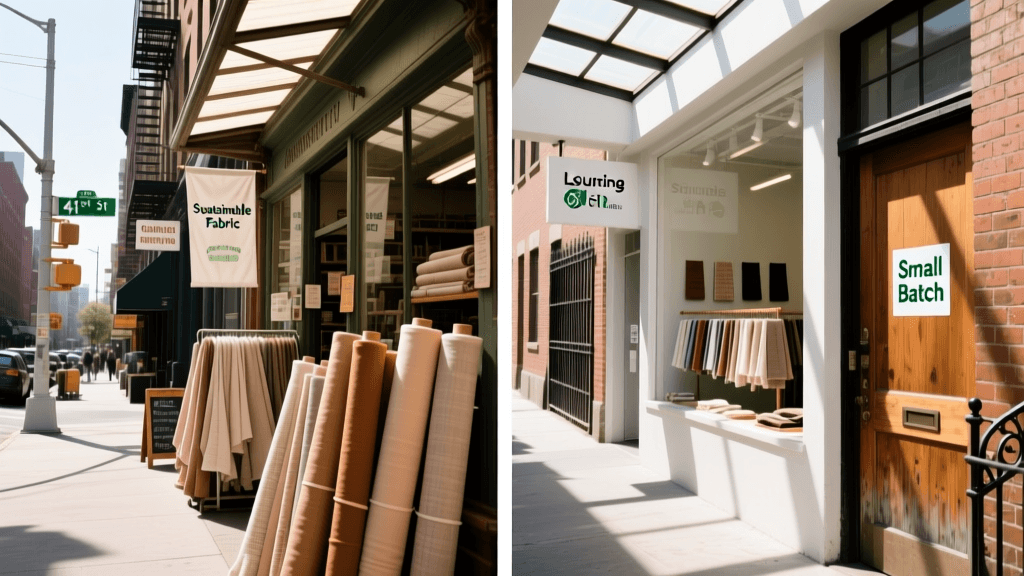
The epicenter of fabric sourcing remains 38th and 39th Streets. Buildings like 224 West 38th Street and 530 Seventh Avenue house multi-generational trimming and textile showrooms. For Indigenous designers incorporating traditional beadwork or heavy wool broadcloths into contemporary winter collections, NYC’s specialized trim vendors offer unparalleled access to high-quality, small-batch materials that are increasingly difficult to source overseas.
The 2026 Sustainability Push
According to advocacy groups like Save the Garment Center, the preservation of manufacturing space has been bolstered by strict zoning protections and a new wave of eco-conscious showrooms. In 2026, many NYC fabric vendors have integrated blockchain-tracked deadstock programs, allowing designers to verify the origin and environmental impact of their remnant silks and wools. This transparency is particularly valuable for Indigenous and Latin American designers whose brand ethos is deeply tied to environmental stewardship and ethical sourcing.
Minimum Order Quantities (MOQs) and Access
NYC is famous for its low manufacturing MOQs but high barriers to entry regarding relationships. Most sample rooms in Midtown require MOQs of just 50 to 100 units for cut-and-sew production, making it ideal for emerging brands. However, walk-ins are largely a thing of the past. In 2026, you must schedule appointments via digital vendor portals at least two weeks before your sourcing trip.
Los Angeles Fashion District: Contemporary, Denim, and Rapid Turnaround
Spanning nearly 100 blocks in Downtown Los Angeles, the LA Fashion District is the powerhouse of contemporary apparel, streetwear, denim, and rapid-turnaround knits. Bounded loosely by 9th Street to the north, 15th Street to the south, Main Street to the west, and Maple Avenue to the east, this sprawling hub operates at a faster, more accessible pace than its East Coast counterpart.
The Cooper Building and Textile Sourcing
The historic Cooper Building at 110 East 9th Street remains the beating heart of LA fabric sourcing. In 2026, the building has upgraded its infrastructure to support digital swatching and 3D material scanning, allowing designers to instantly import fabric drape and physics data into CLO 3D or Browzwear. For designers creating modern interpretations of traditional Latin American garments, the Cooper Building’s vast array of lightweight cottons, linens, and synthetic blends offers the perfect foundation for resort and warm-weather collections.
Denim and Wash House Innovations
While the fabric sourcing happens in Downtown LA, the magic of LA’s denim production occurs just south of the district in Vernon and Commerce. The California Fashion Association reports that in 2026, LA’s wash houses have fully adopted waterless laser-finishing and ozone washing technologies. This is a game-changer for Indigenous-owned denim brands looking to produce distressed, contemporary streetwear without the heavy water pollution historically associated with denim manufacturing.
MOQs and the Walk-In Culture
Unlike NYC, LA’s fabric showrooms and many of its cut-and-sew contractors still embrace a robust walk-in culture. However, production MOQs are generally higher. Expect minimums of 150 to 300 units per style for full-package production. The trade-off is speed; LA’s integrated supply chain can take a garment from a digital tech pack to a finished, washed, and tagged product in under three weeks.
Head-to-Head Comparison: NYC vs. LA (2026 Data)
To help you decide which hub aligns with your brand’s current phase, review this 2026 sourcing comparison matrix:
| Feature | NYC Garment District | LA Fashion District |
|---|---|---|
| Primary Specialty | Luxury, Tailoring, Complex Sample Making | Contemporary, Denim, Streetwear, Knits |
| Average Cut & Sew MOQ | 50 - 150 pieces | 150 - 300 pieces |
| Fabric Sourcing Focus | High-end silks, wools, technical outerwear | Jersey knits, denim, sustainable synthetics |
| Average Lead Time (Sample) | 2 - 4 weeks | 1 - 2 weeks |
| Vibe & Access | Appointment-heavy, historic high-rises | Walk-in friendly, sprawling street-level showrooms |
| Best For Indigenous Brands | High-end ceremonial or luxury contemporary | Everyday streetwear, resort, and denim |
Emerging American Fashion Hubs to Watch
While NYC and LA dominate the volume, 2026 has seen the rise of specialized micro-hubs that cater to specific garment traditions and technical needs.
Portland, Oregon: The Technical & Outdoor Hub
Portland has cemented itself as the premier destination for technical outerwear and sustainable performance gear. For Indigenous designers from the Pacific Northwest incorporating traditional motifs into modern, weather-resistant outerwear, Portland’s network of Gore-Tex-certified micro-factories and 3D-knitting facilities offers unmatched technical expertise.
Miami, Florida: The Swim & Resort Capital
Miami’s Design District and surrounding manufacturing zones have evolved into a powerhouse for swimwear, resort wear, and Latin American-inspired vacation apparel. The city’s proximity to Central and South America makes it an ideal logistical hub for designers sourcing handmade artisanal textiles from Oaxaca or Guatemala and assembling them into contemporary resort silhouettes in Florida.
The 2026 Designer’s Action Plan for Domestic Sourcing
Whether you are launching a contemporary Native American streetwear line or a luxury Latin American bridal collection, succeeding in these districts requires a modernized approach. Follow this actionable strategy for your 2026 sourcing trips:
- Perfect Your Digital Tech Pack: In 2026, physical paper tech packs are largely obsolete. Top-tier contractors in both NYC and LA require comprehensive digital tech packs that include a Bill of Materials (BOM), graded measurement specs, and a 3D digital twin of the garment. Brands that provide CLO 3D files receive priority sampling queues and more accurate cost estimates.
- Leverage Local Subsidies: Initiatives supported by the New York City Economic Development Corporation and similar California state grants often provide subsidies for emerging designers utilizing local, sustainable manufacturing. Research the 'Fashion Manufacturing Initiative' grant cycles before booking your factory tours.
- Plan Your Sourcing Calendar: Timing is everything. Visit NYC in February and March to source heavy wools and develop Fall/Winter samples when the district's sample rooms are less congested. Visit LA in August and September to lock in Spring/Summer knits and denim washes before the holiday production rush begins.
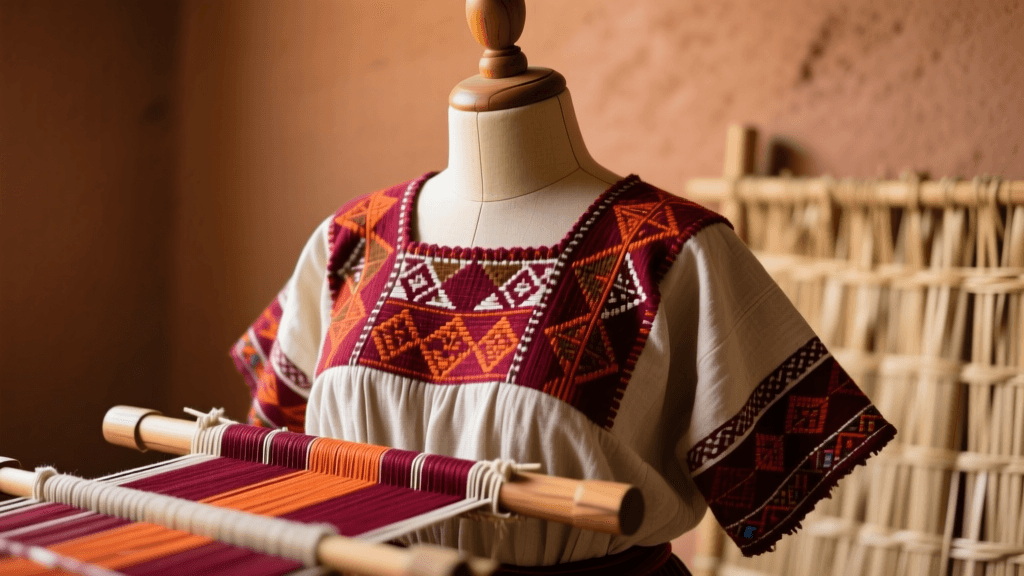
- Build Artisan-Manufacturer Bridges: If your brand relies on traditional, hand-woven textiles created by Indigenous artisans, use the LA Fashion District's cut-and-sew contractors to handle the complex structural elements (like linings, zippers, and modern tailoring) while reserving the artisan textiles for the exterior panels. This hybrid approach respects the time-intensive nature of traditional weaving while meeting the scalability demands of modern retail.
Conclusion
The NYC and LA garment districts are no longer just relics of 20th-century industrial manufacturing; they are highly specialized, tech-enabled ecosystems driving the future of sustainable American fashion. By understanding the unique strengths, MOQs, and cultural intersections of each hub, designers can build resilient, ethical, and deeply authentic supply chains that honor both their heritage and the future of the planet.