NYC & LA Garment District Heritage Sourcing Guide 2026
The Evolution of American Fashion Hubs in 2026
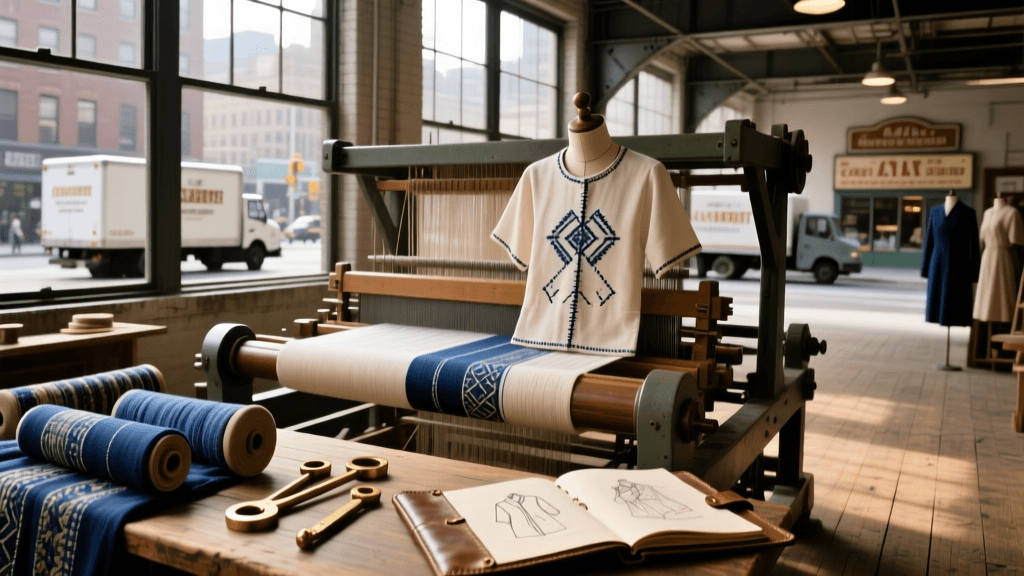
The American fashion landscape in 2026 is defined by a profound return to heritage, craftsmanship, and cultural authenticity. For designers, researchers, and brands exploring the Americas and Indigenous garment categories, understanding the physical hubs of apparel production is essential. The New York City Garment District and the Los Angeles Fashion District remain the twin pillars of American clothing manufacturing. However, the 2026 iteration of these hubs looks vastly different from even five years ago. Driven by aggressive nearshoring trends, strict sustainable manufacturing mandates, and a deep, industry-wide respect for Indigenous and traditional American textile arts, these districts have evolved into vital resources for heritage garment sourcing.
Whether you are looking to produce heavy wool blanket coats inspired by traditional Métis and First Nations designs, or seeking ethical manufacturing partners for Latin American-inspired embroidered blouses, navigating these urban textile hubs requires specific, up-to-date knowledge. This guide breaks down exactly how to source traditional materials, connect with ethical manufacturers, and respect cultural heritage within the NYC and LA fashion districts in 2026.
The NYC Garment District: Heritage Woolens and High-End Manufacturing
Located in Midtown Manhattan, roughly bounded by 34th and 42nd Streets and Fifth and Ninth Avenues, the NYC Garment District has historically been the epicenter of American fashion. In 2026, thanks to the continued advocacy of organizations like Save the Garment Center, the district has successfully preserved its manufacturing zoning, protecting local workshops from being priced out by commercial real estate developers.
For designers focusing on traditional American heritage wear, NYC is the premier destination for sourcing heavy, structured fabrics. If your collection involves traditional workwear, historical reproductions, or winter garments inspired by Indigenous North American trade blankets, the NYC district offers unparalleled access to premium Melton wools, heavy selvedge denims, and traditional canvas.
Where to Source Heritage Materials in NYC
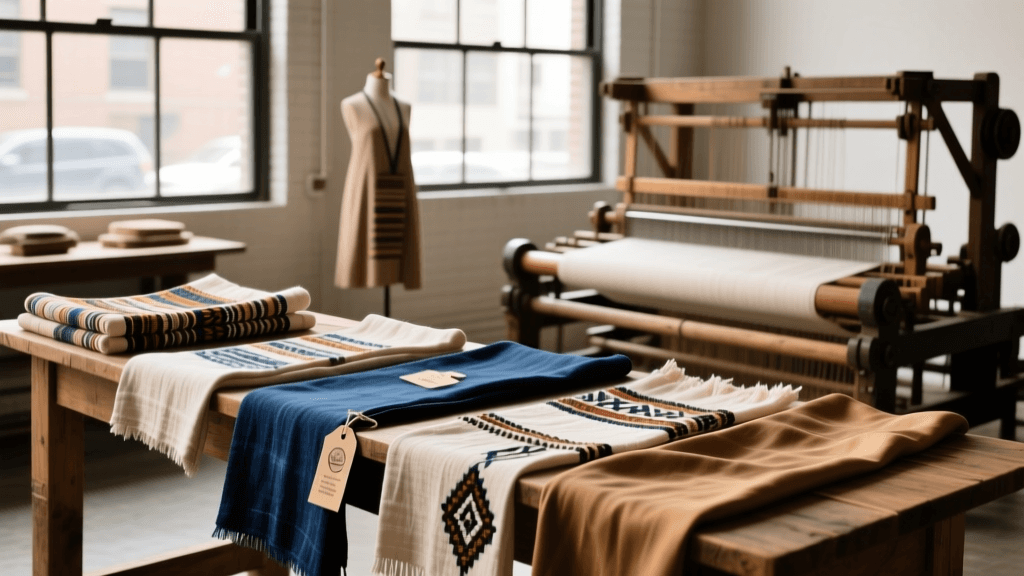
- 38th and 39th Streets: These blocks remain the heart of the fabric wholesale market. In 2026, several legacy showrooms specialize in imported and domestically milled heritage wools, perfect for crafting traditional Mackinaw-style coats or heavy winter capotes.
- 530 Seventh Avenue: A hub for high-end trims and haberdashery. Here, you can source authentic horn buttons, heavy brass zippers, and traditional cotton twill tapes required for historical garment accuracy.
- Local Union Workshops: NYC's Cut-Make-Trim (CMT) shops are highly unionized. While minimum order quantities (MOQs) are higher than overseas alternatives, the craftsmanship is ideal for luxury heritage garments that require complex tailoring, such as structured ribbon shirts or traditional wool suitings.
The LA Fashion District: Sustainable Textiles and Artisanal Collaborations
The Los Angeles Fashion District, sprawling across 90 blocks in downtown LA, has firmly established itself in 2026 as the capital of sustainable, small-batch, and culturally collaborative fashion. Bounded roughly by 9th, Main, 15th, and Figueroa Streets, the district is heavily focused on eco-friendly production, natural dyes, and streetwear-adjacent heritage apparel.
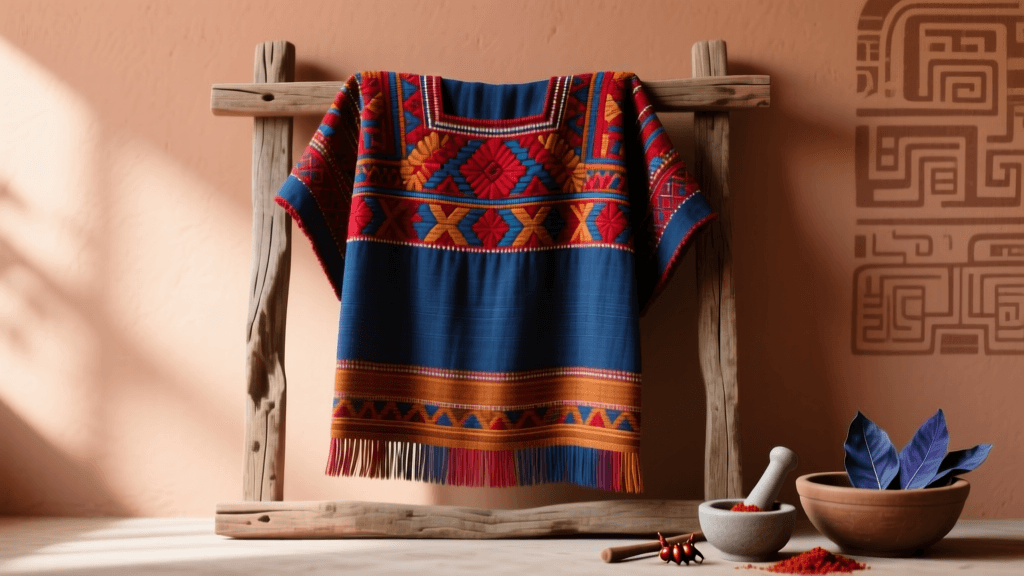
For brands focusing on Latin American textile traditions or Southwest Indigenous weaving inspirations, LA offers a unique ecosystem. The district is home to numerous importers who work directly with artisan cooperatives in Oaxaca, Mexico, and Guatemala, bringing traditional hand-embroidered textiles, backstrap-loomed cottons, and natural indigo dyes to the US market. Furthermore, LA serves as a primary networking hub for Southwest Native American artisans who maintain showrooms or participate in seasonal wholesale markets within the California Market Center.
Navigating the LA District for Indigenous and Traditional Textiles
When sourcing in LA, the focus shifts from heavy wools to breathable, natural fibers and artisanal embellishments. The LA Fashion District official directory is an essential tool for 2026, as it now includes a verified 'Sustainable and Artisanal' filter, allowing buyers to find importers who guarantee fair-trade practices with Latin American weaving communities.
- The California Market Center (CMC): While primarily known for contemporary fashion, the CMC hosts bi-annual heritage and artisan markets where verified Indigenous and Latin American textile cooperatives showcase their wholesale collections.
- Olympic Boulevard Showrooms: This area is dense with denim and twill manufacturers. It is the ideal spot to source the heavy-duty cottons required for traditional work shirts, denim jackets, and modern interpretations of Indigenous ribbon work.
- Natural Dye Houses: LA has seen a boom in eco-conscious dye houses in 2026. Designers can contract local facilities to dye organic cottons using traditional techniques, such as cochineal (red) or marigold (yellow), bridging ancient American color palettes with modern manufacturing.
Comparative Sourcing Table: NYC vs. LA for Heritage Garments
Choosing between the East and West coast hubs depends entirely on the specific traditional garments you are developing. Below is a 2026 comparison of what each district offers for heritage and Indigenous-inspired fashion lines.
| Feature | NYC Garment District | LA Fashion District |
|---|---|---|
| Primary Heritage Textiles | Heavy wools, suiting, canvas, premium haberdashery | Organic cottons, denim, natural dyes, artisanal embroidery |
| Average MOQ (Cut & Sew) | 300 - 500 pieces per style | 50 - 150 pieces per style |
| Best Traditional Garments | Wool blanket coats, tailored trade-cloth vests, heavy workwear | Ribbon shirts, embroidered blouses, denim workwear, summer regalia |
| Artisan Collaboration Access | Limited; mostly focused on European and domestic mills | High; direct access to Latin American and Southwest Native importers |
| 2026 Sustainability Focus | Deadstock fabrics, zero-waste pattern cutting, union labor | Waterless denim dyeing, organic fibers, fair-trade artisan imports |
Ethical Sourcing and Indigenous Artisan Partnerships
When designing garments that draw upon the rich textile traditions of the Americas, ethical sourcing is not just a moral imperative; it is a legal one. The line between cultural appreciation and cultural appropriation is strictly monitored by consumers and regulators alike in 2026. If your brand intends to market garments as 'Native American made' or 'Indigenous crafted,' you must strictly adhere to the Indian Arts and Crafts Act.
The Indian Arts and Crafts Board, operated by the U.S. Department of the Interior, enforces truth-in-advertising laws that prohibit misrepresenting Native American-produced art and crafts. Using the NYC or LA garment districts to mass-produce garments that mimic sacred Indigenous regalia or traditional tribal patterns without direct collaboration and compensation to the originating communities is both unethical and potentially illegal if marketed deceptively.
Best Practices for 2026 Collaborations
Instead of appropriation, modern heritage brands use these fashion hubs to facilitate genuine partnerships. For example, a brand might source the base organic cotton canvas in LA, cut and sew the garments in a local union shop, and then contract a verified Navajo or Oaxacan weaving cooperative to add traditional hand-loomed panels or embroidery. This hybrid manufacturing model, highly prevalent in 2026, ensures that the cultural intellectual property remains protected and compensated, while the structural manufacturing benefits from American industrial efficiency.
Always request certificates of authenticity and fair-trade compliance when purchasing imported traditional textiles from LA wholesalers. Reputable importers in 2026 will readily provide supply chain transparency reports detailing the exact cooperatives and artisan families involved in the textile creation.
Actionable Steps for Your 2026 Sourcing Trip
Whether you are flying into JFK or LAX, preparation is the key to a successful sourcing trip. The days of wandering into showrooms unannounced are largely over. Follow these steps to maximize your time in the districts:
- Pre-Register and Book Appointments: Most high-end heritage textile showrooms in NYC and wholesale importers in LA now operate on an appointment-only basis. Use their digital portals to book slots at least three weeks in advance.
- Prepare a Tech Pack with Historical Context: When approaching CMT shops for traditional garments (like a Métis capote or a traditional Cherokee tear dress), provide detailed technical packets that include historical reference images. Many 2026 pattern makers specialize in historical drafting but need clear visual guidelines to ensure cultural accuracy.
- Request Swatch Books Early: Do not wait until you arrive to feel the fabrics. Request digital catalogs and physical swatch books of heritage wools, selvedge denims, and natural-dyed cottons a month prior to your trip so you can test them for durability and drape.
- Verify Certifications: If you are sourcing Latin American textiles in LA, ask to see the importer's fair-trade certifications and artisan compensation models. Transparency is the standard in 2026.
Conclusion
The NYC and LA garment districts in 2026 are more than just manufacturing centers; they are the crossroads where American industrial capability meets the deep, ancestral textile traditions of the Americas and Indigenous cultures. By understanding the distinct strengths of each hub—NYC for heavy wools and structured tailoring, LA for sustainable fibers and artisanal collaborations—independent designers can produce heritage garments that are authentic, ethically made, and built to last for generations.