Sardinian Nuorese Folk Dress & Heritage Brands: 2026 Guide
The Heart of Sardinian Tradition: Nuorese Folk Dress
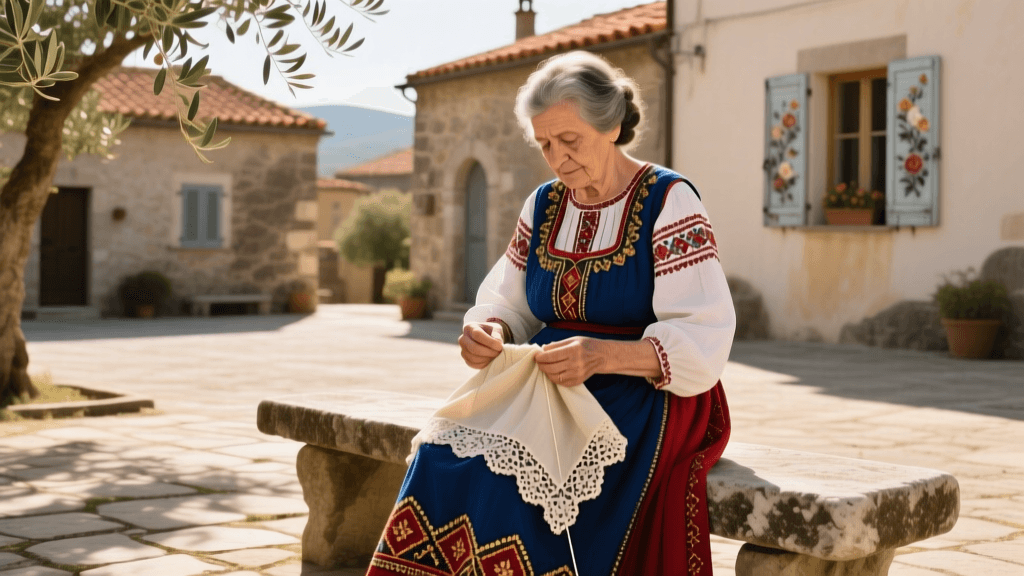
The island of Sardinia has long been celebrated for its fiercely independent culture, rugged landscapes, and deeply rooted textile traditions. Among the island's diverse regional costumes, the folk dress of the Nuoro province—often referred to as the Nuorese costume—stands out as one of the most intricate, vibrant, and meticulously preserved garments in all of Europe. As we navigate the global slow-fashion and heritage revival movements in 2026, Sardinian traditional garments have transcended their ceremonial roots to become highly sought-after symbols of artisanal mastery and cultural pride.
Nuoro, situated in the mountainous interior of the island, is widely considered the ethnographic capital of Sardinia. The traditional dress from this region is not merely a historical relic; it is a living, breathing craft. In 2026, a new generation of heritage brands, weaving cooperatives, and master goldsmiths are working tirelessly to preserve these techniques, adapting them for modern patrons while strictly adhering to centuries-old construction methods. According to the Istituto Superiore Regionale Etnografico (ISRE), the preservation of these indigenous textile practices is critical to maintaining the island's unique socio-cultural identity in an increasingly homogenized fashion landscape.
Anatomy of the Nuorese Costume
The traditional female costume of Nuoro is a masterclass in layering, color theory, and textile manipulation. Each component serves a specific functional and symbolic purpose, reflecting the wearer's village, marital status, and social standing. Understanding the anatomy of this dress is essential for collectors, historians, and heritage fashion enthusiasts in 2026.
Sa Camisa (The Shirt)
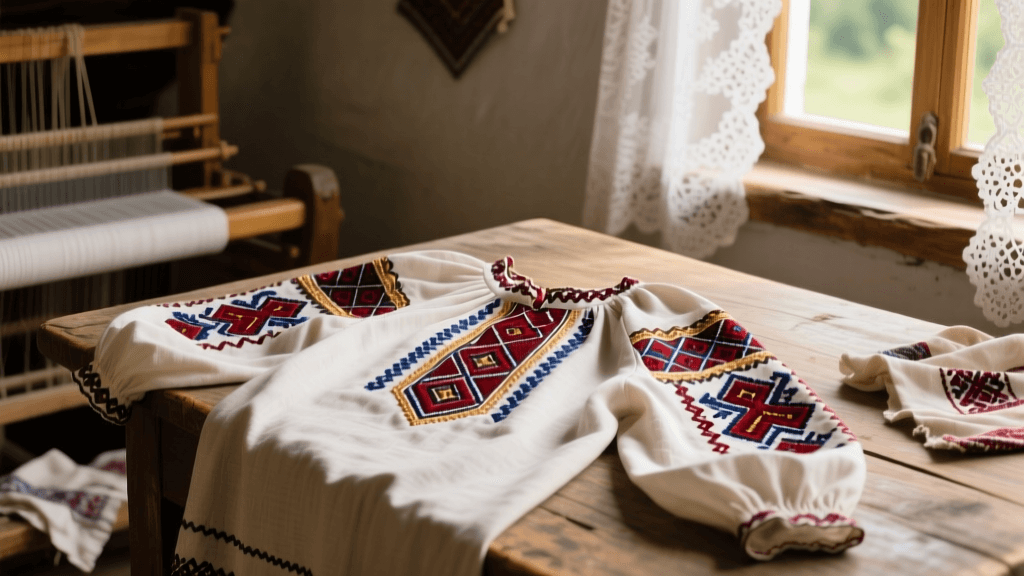
The foundation of the Nuorese ensemble is sa camisa, a voluminous shirt crafted from hand-loomed linen or fine cotton. In 2026, authentic heritage brands still utilize traditional wooden floor looms to create this fabric, ensuring the characteristic slight irregularities that prove its handmade origin. The shirt is heavily embroidered at the cuffs, collar, and chest using intricate cross-stitch or drawn-thread work (punt'e nù). The embroidery often features geometric motifs inspired by local flora and ancient Mediterranean symbols designed to ward off the evil eye.
Su Corittu (The Bodice)
Over the shirt sits su corittu (or su cambusciu), a heavily structured, sleeveless bodice that acts as the visual centerpiece of the upper body. Traditionally crafted from opulent silk brocades, damasks, or deep velvet, the bodice is stiffened with natural reeds or heavy canvas to create a rigid, corset-like silhouette. The front is left open and laced together with vibrant silk ribbons, allowing the pristine white embroidery of the camisa to peek through. The edges of the bodice are frequently trimmed with metallic galloon or intricate gold thread embroidery.
Sa Pannedda (The Skirt)
The skirt, known locally as sa pannedda or sa tunica, is a triumph of textile engineering. It is constructed from heavy, hand-dyed wool or a wool-linen blend. The defining characteristic of the Nuorese skirt is its meticulous, razor-sharp pleating. Artisans use a technique involving dampening the wool and pressing it under heavy wooden boards for days to set the pleats permanently. The hem is adorned with wide bands of contrasting silk, velvet, or pibiones (a traditional Sardinian grain-weave technique that creates raised, textured patterns). The dominant colors—deep crimsons derived from madder root, rich saffrons, and earthy browns from walnut husks—are achieved using natural, locally sourced dyes.
The Golden Accents: Sardinian Filigree Jewelry
No Nuorese folk dress is complete without its accompanying jewelry, most notably the bottoni (filigree buttons). Sardinian goldsmithing is legendary, characterized by the delicate, lace-like filigrana technique. These spherical buttons, often made of 18k gold or sterling silver, are used to fasten the shirt at the collar and cuffs, and to secure the bodice. In 2026, a complete set of antique or master-crafted reproduction bottoni represents a significant financial investment, often exceeding the cost of the textiles themselves. The granulation and micro-welding techniques used by artisans in towns like Nuoro and Cagliari remain closely guarded secrets passed down through familial guilds.
Heritage Brands and Artisan Cooperatives in 2026
The landscape of Sardinian heritage fashion in 2026 is defined by a collaborative effort between multi-generational family ateliers and regional cooperatives. The regional cultural portal, Sardegna Cultura, highlights how modern initiatives are providing grants and international exhibition platforms to these artisans, ensuring that the economics of slow fashion support rural Sardinian communities.
Brands operating under the umbrella of the Tessitura Artigianale Sarda movement are leading the charge. These cooperatives do not mass-produce; instead, they operate on a bespoke, made-to-measure model. Patrons in 2026 must expect a highly personalized consultation process, often involving virtual fittings or detailed measurement guides, followed by months of painstaking hand-weaving and embroidery. These heritage brands emphasize traceability, providing buyers with a 'textile passport' that details the origin of the wool, the natural dyes used, and the name of the specific weaver who operated the loom.
2026 Sourcing, Pricing, and Commission Guide
For collectors and cultural institutions looking to acquire authentic Nuorese garments in 2026, it is crucial to understand the current market rates and lead times. Mass-market 'costume shops' in tourist centers often sell synthetic, machine-made approximations. True heritage pieces must be commissioned directly from recognized artisan guilds or specialized heritage boutiques in Nuoro and Cagliari.
| Garment Component | Traditional Material | 2026 Artisan Price Range (EUR) | Commission Lead Time |
|---|---|---|---|
| Sa Camisa (Shirt) | Hand-loomed Linen, Silk Thread | €450 - €750 | 4 - 6 Weeks |
| Su Corittu (Bodice) | Silk Brocade, Velvet, Metallic Trim | €1,100 - €1,800 | 2 - 4 Months |
| Sa Pannedda (Skirt) | Natural-Dyed Wool, Pibiones Accents | €850 - €1,400 | 2 - 3 Months |
| Su Fazzoletto (Headscarf) | Raw Silk or Fine Cotton | €150 - €300 | 2 - 3 Weeks |
| Bottoni (Filigree Button Set) | 18k Gold or Sterling Silver | €1,500 - €4,500+ | 3 - 6 Months |
Authenticating and Caring for Heritage Textiles
When investing in Sardinian folk dress, authentication is paramount. In 2026, reputable heritage brands attach a certified Marchio di Qualità (Quality Mark) issued by the regional chamber of commerce, verifying the use of traditional hand-looms and natural dyes. To authenticate older, vintage pieces, examine the selvedge of the fabric; hand-loomed textiles will have a distinct, slightly uneven edge, whereas power-loomed fabrics are perfectly uniform.
Caring for these garments requires specialized knowledge. The natural dyes used in the pannedda are sensitive to pH changes and harsh chemicals. Heritage conservators recommend dry cleaning only with organic, hydrocarbon-based solvents, and storing the garments flat in acid-free tissue paper within cedar-lined chests to protect the wool from moisture and textile pests. The heavy pleating should never be ironed at home; instead, it must be re-pressed by a master artisan using traditional damp-pressing techniques.
Experiencing the Culture: Festivals and Museums
To truly understand the Nuorese folk dress, one must see it in motion. The Festa del Redentore (Festival of the Redeemer), held annually in late August in Nuoro, is the premier event for witnessing these garments in their full glory. Thousands of participants from across the island parade through the streets in their meticulously maintained regional costumes, offering a living museum of Sardinian textile history.
For year-round study, the Museo della Vita e delle Tradizioni Popolari Sarde (Museum of Sardinian Life and Popular Traditions) in Nuoro houses one of the most comprehensive collections of island folk dress in Europe. The museum's climate-controlled archives allow textile researchers and fashion historians to study the evolution of the Nuorese silhouette from the 18th century to the mid-20th century.
Conclusion
The Nuorese folk dress is far more than a regional costume; it is a profound expression of Sardinian identity, resilience, and artistic genius. As of 2026, the dedication of local heritage brands, weaving cooperatives, and master goldsmiths ensures that these ancient techniques are not lost to the annals of history. Whether you are a collector seeking a museum-grade bodice, a fashion historian studying Mediterranean textile evolution, or a patron wishing to commission a bespoke piece of wearable art, the heritage artisans of Nuoro offer an unparalleled gateway into the soul of Sardinia.