2026 Guide To Norwegian Bunad And Ukrainian Vyshyvanka
The Renaissance of Regional Identity in 2026
In 2026, the landscape of European folk dress has transcended mere historical reenactment, evolving into a vibrant expression of living cultural heritage. Across the continent, a new generation of artisans, historians, and everyday citizens are reclaiming their regional sartorial traditions. Two of the most striking and globally recognized examples of this revival are the Norwegian Bunad and the Ukrainian Vyshyvanka. While separated by thousands of miles and distinct historical trajectories, both garments share a profound connection to regional identity, meticulous handcraftsmanship, and a resilient spirit that has carried them into the modern era. For collectors, cultural enthusiasts, and those looking to invest in authentic heritage garments, understanding the nuances of these traditions is essential. This comprehensive guide explores the regional variations, 2026 market realities, and authentic sourcing methods for these two iconic pillars of European folk dress.
The Norwegian Bunad: Structured Heritage and Silverwork
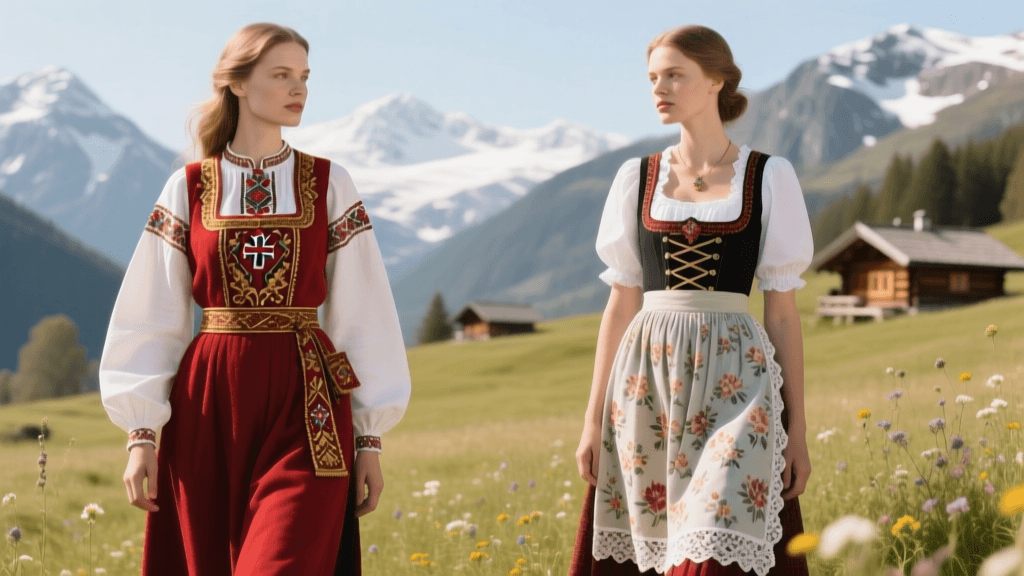
The Norwegian Bunad is arguably the most strictly regulated and meticulously preserved folk costume tradition in Western Europe. Unlike generic national costumes, the Bunad is inherently regional, with over 450 distinct variations tied to specific valleys, fjords, and municipalities. In 2026, the demand for authentic, hand-stitched Bunads continues to outpace supply, leading to multi-year waitlists for master artisans who specialize in traditional tailoring and silverwork.
Hardanger vs. Telemark: A 2026 Regional Breakdown
The Hardanger Bunad, originating from the dramatic fjord landscapes of Western Norway, is renowned for its striking contrast and intricate silverwork. The women’s costume typically features a black wool bodice and skirt, paired with a white linen apron adorned with delicate cross-stitch embroidery in red, green, and yellow. The silverwork, known as 'sølv', is heavily oxidized and includes elaborate belt buckles, brooches, and the iconic 'skaut' (headpiece) pins. In 2026, a complete, custom-fitted Hardanger Bunad with hand-forged silver from local artisans in Voss or Bergen commands a premium, often exceeding 65,000 NOK (approximately $6,000 USD).
Conversely, the Telemark Bunad is frequently cited by textile historians as the most visually opulent. Drawing inspiration from the region's traditional 'rosemaling' (decorative painting), the embroidery features lush, sprawling floral motifs in vibrant reds, blues, and greens against a deep black wool base. The 2026 guidelines from the Norsk institutt for bunad og folkedrakt emphasize the use of historically accurate, plant-dyed wool threads, a sustainable practice that has seen a massive resurgence among eco-conscious weavers in rural Telemark.
The Ukrainian Vyshyvanka: Threads of Resilience
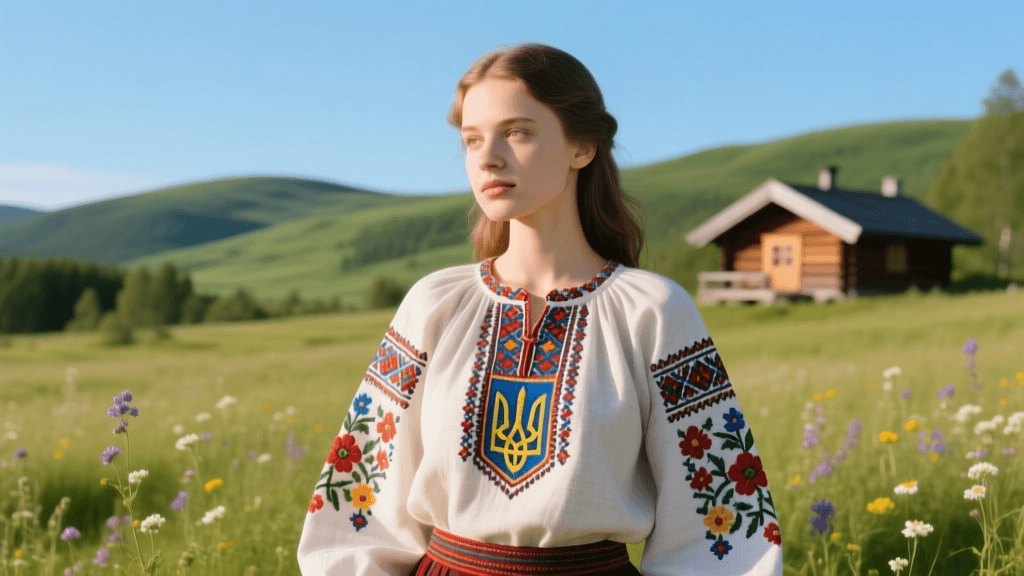
While the Bunad represents a structured, codified approach to folk dress, the Ukrainian Vyshyvanka is a deeply spiritual and highly diverse garment. The term refers to the traditional embroidered shirt, but the techniques, colors, and motifs vary wildly across Ukraine’s distinct ethnographic regions. In 2026, the Vyshyvanka has become a global symbol of Ukrainian resilience, with international demand supporting a thriving network of master embroiderers and artisan cooperatives.
Poltava White-on-White vs. Hutsul Geometrics
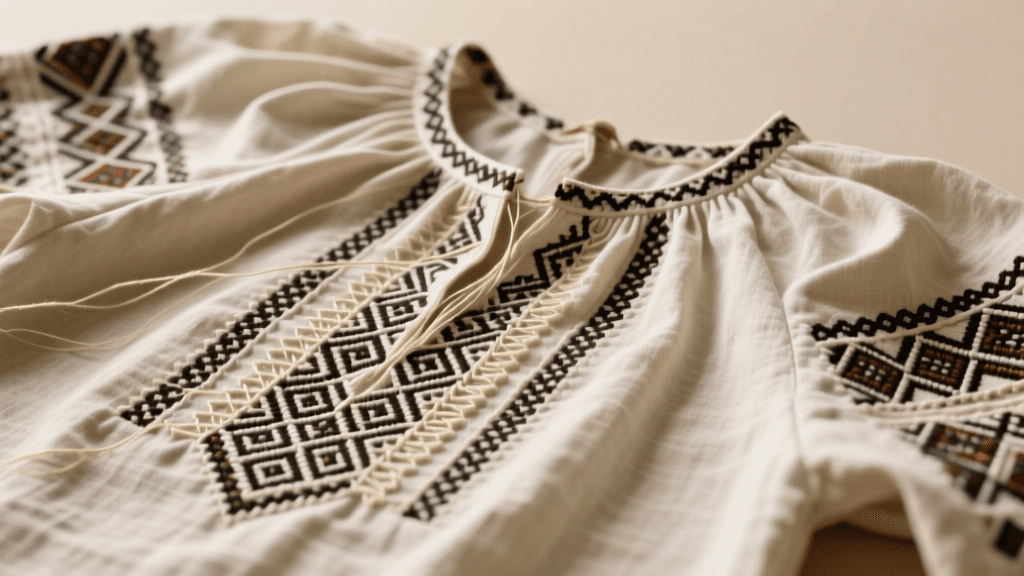
The Poltava region is world-renowned for its 'white-on-white' embroidery, a technique of staggering complexity. Artisans use up to 100 different stitches to create subtle, textured geometric and floral patterns that rely on shadow and light rather than color contrast. In 2026, mastering the Poltava technique requires years of apprenticeship, and authentic hand-embroidered white-on-white linen shirts are considered luxury heirloom pieces, often priced between $800 and $1,500 USD.
In stark contrast, the Hutsul region, nestled in the Carpathian Mountains, produces Vyshyvankas characterized by dense, vibrant geometric patterns. Using a palette of rich reds, blacks, greens, and yellows, Hutsul artisans employ intricate cross-stitch and beadwork to create motifs that historically served as talismans against evil spirits. The global diaspora has heavily invested in preserving these mountain traditions, funding workshops that teach the next generation of Hutsul stitchers.
Digital Archiving and Preservation in 2026
One of the most exciting developments in European folk dress preservation is the integration of advanced digital archiving. Institutions like the Norwegian Folk Museum have recently expanded their 3D scanning initiatives, creating high-resolution, interactive digital twins of rare 18th and 19th-century Bunads. This allows contemporary tailors to study the exact drape, stitch tension, and seam allowances of historical garments without risking damage to the fragile originals.
Similarly, Ukrainian cultural organizations have leveraged AI-assisted pattern recognition in 2026 to reconstruct lost Hutsul and Bukovynian embroidery motifs from damaged archival photographs. This technological renaissance ensures that even the most obscure regional patterns are not lost to history, providing modern embroiderers with a vast, open-source library of verified traditional designs.
Comparative Analysis: Bunad vs. Vyshyvanka
To understand the practical differences between these two traditions, consider the following 2026 market and structural comparison:
| Feature | Norwegian Bunad | Ukrainian Vyshyvanka |
|---|---|---|
| Origin Scope | Specific valleys and municipalities | Broad ethnographic regions |
| Base Material | Heavy woven wool, linen | Lightweight linen, hemp, cotton |
| Embroidery Style | Floral, rosemaling-inspired, cross-stitch | Geometric, white-on-white, dense cross-stitch |
| Key Accessories | Hand-forged oxidized silver, woven belts | Beadwork, coral necklaces, woven sashes |
| 2026 Avg. Cost | $4,500 - $7,000+ USD (Full set) | $200 - $1,500 USD (Single shirt) |
| Regulatory Body | Bunad- og folkedraktrådet | Artisan cooperatives, cultural ministries |
Sourcing Authentic Garments in 2026
Navigating the market for authentic European folk dress requires diligence, as mass-produced imitations flood online marketplaces. For those seeking a genuine Norwegian Bunad, it is imperative to commission your garment from a 'Godkjent bunadtilvirker' (approved Bunad manufacturer). These certified artisans adhere to the strict material and pattern guidelines set by the national council. Attempting to piece together a Bunad from uncertified online retailers often results in historical inaccuracies and inferior wool blends that fail to drape correctly.
For the Ukrainian Vyshyvanka, authenticity is rooted in the stitch. Machine-embroidered shirts, while affordable, lack the reverse-side perfection and spiritual intentionality of hand-stitched pieces. In 2026, the most reliable way to source authentic Vyshyvankas is through verified artisan platforms and cultural initiatives promoted during events like World Vyshyvanka Day. Purchasing directly from cooperatives in Lviv, Kyiv, or the Carpathian regions ensures your investment supports the artisans keeping these ancient techniques alive.
Care and Preservation of Heritage Textiles
Investing in heritage garments also means committing to their long-term preservation. Wool Bunads must be stored in breathable cotton garment bags with natural cedar blocks to deter moths, avoiding plastic covers that trap moisture and cause the silverwork to tarnish prematurely. The heavy silver jewelry should be removed before storage and polished only with specialized, non-abrasive cloths to preserve the intentional oxidation in the crevices.
Linen Vyshyvankas, particularly the delicate Poltava white-on-white pieces, require pH-neutral, eco-friendly detergents and should never be wrung out. Instead, they must be rolled in a clean towel to absorb excess water and ironed while slightly damp on the reverse side to protect the raised embroidery stitches. By following these meticulous care protocols, collectors and wearers ensure these masterpieces of European folk dress remain vibrant for generations to come.