Norwegian Bunad vs Austrian Dirndl: 2026 Folk Dress Guide
The Resurgence of European Folk Dress in 2026
In 2026, traditional European folk dress is experiencing a profound renaissance. Far from being relegated to museum archives or theatrical performances, regional garments are living, breathing expressions of cultural identity. Among the most vibrant and globally recognized of these traditions are the Norwegian Bunad and the Austrian Dirndl. While both originate from the rural and alpine histories of their respective regions, their modern trajectories, construction methods, and cultural rules differ vastly. Whether you are a textile historian, a cultural enthusiast, or a prospective buyer looking to invest in authentic European heritage wear, understanding the nuances of these garments is essential.
This comprehensive guide explores the intricate details, 2026 market trends, and sourcing advice for the Norwegian Bunad and the Austrian Dirndl, providing a clear comparative analysis of two of Europe's most celebrated folk costumes.
The Norwegian Bunad: A Tapestry of National Identity
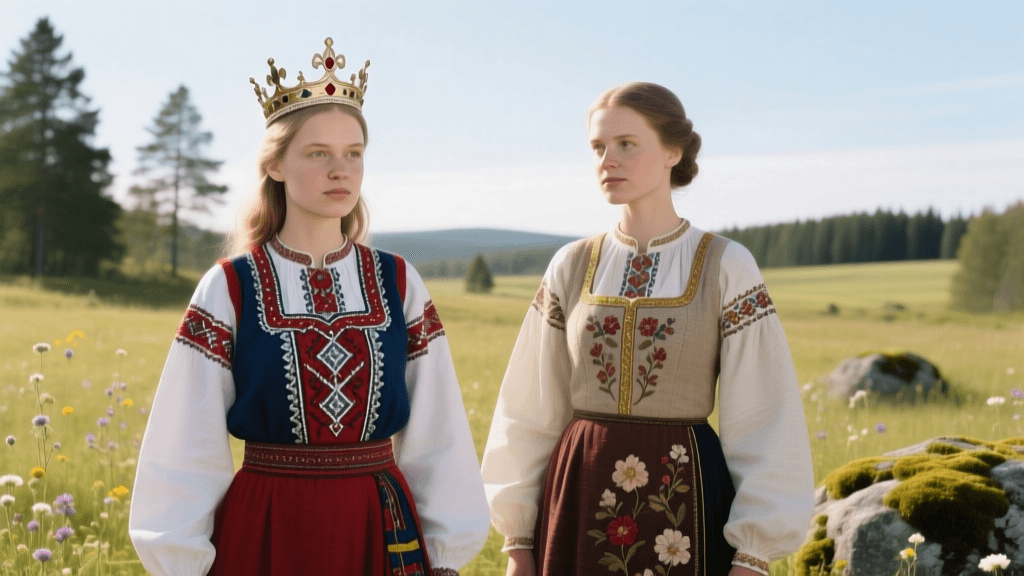
The Norwegian Bunad is more than just a traditional dress; it is a meticulously regulated symbol of regional pride and familial heritage. Unlike generic folk costumes, a true Bunad is tied to a specific geographic area in Norway, often reflecting the local flora, historical trade routes, and indigenous crafting techniques. The Norsk institutt for bunad og folkedrakt (Norwegian Institute of Bunad and Folk Costume) works tirelessly to preserve the historical accuracy of these garments, ensuring that modern reproductions remain faithful to their 18th and 19th-century origins.
Regional Variations and Craftsmanship
There are over 450 distinct Bunad patterns in Norway today. Some of the most highly sought-after regional variations in 2026 include:
- The Hardanger Bunad: Often considered the 'first' Bunad, originating from the Hardangerfjord region. It is renowned for its intricate cross-stitch embroidery, delicate linen aprons, and striking contrast between the dark wool skirt and vibrant embroidered bodice.
- The Telemark Bunad: Famous for its rich, dark blue or black wool base, featuring elaborate embroidery inspired by traditional rosemaling (rose-painting) and acanthus leaf carvings.
- The Rogaland Bunad: Distinguished by its heavily embroidered bodice and the use of rich reds, greens, and gold thread, reflecting the agricultural wealth of the southwestern coast.
The Importance of Sølv (Silver)
No Bunad is complete without its accompanying sølv (silver jewelry). The silver pieces—which include elaborate filigree brooches, cufflinks, belt buckles, and crown-like headpieces for brides—are historically meant to display the family's wealth and protect the wearer from evil spirits. In 2026, handcrafted oxidized silver remains the standard, with master silversmiths in regions like Vestland and Telemark experiencing multi-year waiting lists for bespoke commissions.
2026 Pricing and Lead Times
Investing in a Bunad is a significant financial commitment. As of 2026, a complete women's Bunad, including hand-woven wool, custom tailoring, and a full set of silver jewelry, typically ranges from 45,000 to 75,000 NOK (approximately $4,200 to $7,000 USD). Because each garment is custom-fitted and hand-embroidered by certified bunad-tilvirkere (Bunad makers), lead times frequently stretch between 8 to 14 months.
The Austrian Dirndl and Bavarian Tracht: Alpine Elegance
While the Bunad is strictly regulated, the Austrian Dirndl and the broader Bavarian Tracht tradition offer a more fluid, fashion-forward approach to folk dress. Originating from the German word Dirn (meaning 'girl') and Gewand (meaning 'dress'), the Dirndl began as the practical workwear of Alpine milkmaids and servants in the 19th century. By the early 20th century, it had been adopted by the urban elite as a fashionable summer resort garment, eventually evolving into the iconic symbol of Oktoberfest and Alpine culture.
Anatomy of the Dirndl
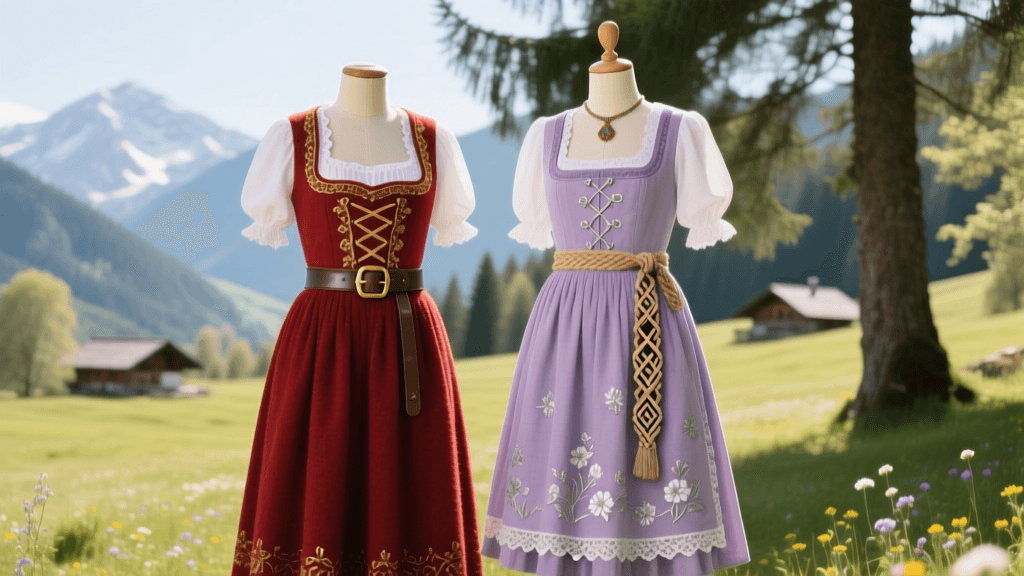
A traditional Dirndl consists of four distinct components, each of which has seen significant material upgrades in the 2026 sustainable fashion movement:
- The Mieder (Bodice): Fitted and structured, often featuring a deep neckline and front lacing or decorative hooks. Modern 2026 ateliers are increasingly using ethically sourced Alpine wool and hemp blends.
- The Bluse (Blouse): Worn beneath the bodice, typically made of crisp white cotton or linen, featuring puff sleeves or delicate lace trim.
- The Rock (Skirt): A full, gathered skirt that traditionally falls to the calf or ankle, though modern variations offer knee-length options.
- The Schürze (Apron): The defining accessory of the Dirndl, tied at the waist and serving as a subtle communicator of the wearer's relationship status.
The Apron Bow Code
One of the most fascinating aspects of the Dirndl is the 'apron code,' a traditional system still strictly observed in Austria and Bavaria today. According to official Austrian cultural heritage guides, the placement of the bow communicates the wearer's availability:
- Bow on the Left: Single and open to courtship.
- Bow on the Right: Married, engaged, or in a committed relationship.
- Bow in the Center: Traditionally indicates a virgin or a young, unmarried woman (though less commonly used today).
- Bow on the Back: Widowed, or alternatively, the wearer is a waitress working at a festival.
2026 Sustainability and Neo-Tracht Trends
In 2026, the 'Neo-Tracht' movement has completely transformed the Dirndl market. Consumers are actively rejecting the mass-produced, polyester 'costumes' sold in tourist traps. Instead, there is a massive surge in demand for 'Slow Tracht'—garments made from naturally dyed, regionally sourced Loden wool, organic linen, and upcycled vintage textiles. High-end Dirndl designers in Salzburg and Munich are leading this charge, blending historical silhouettes with eco-conscious production methods.
Comparative Analysis: Bunad vs. Dirndl
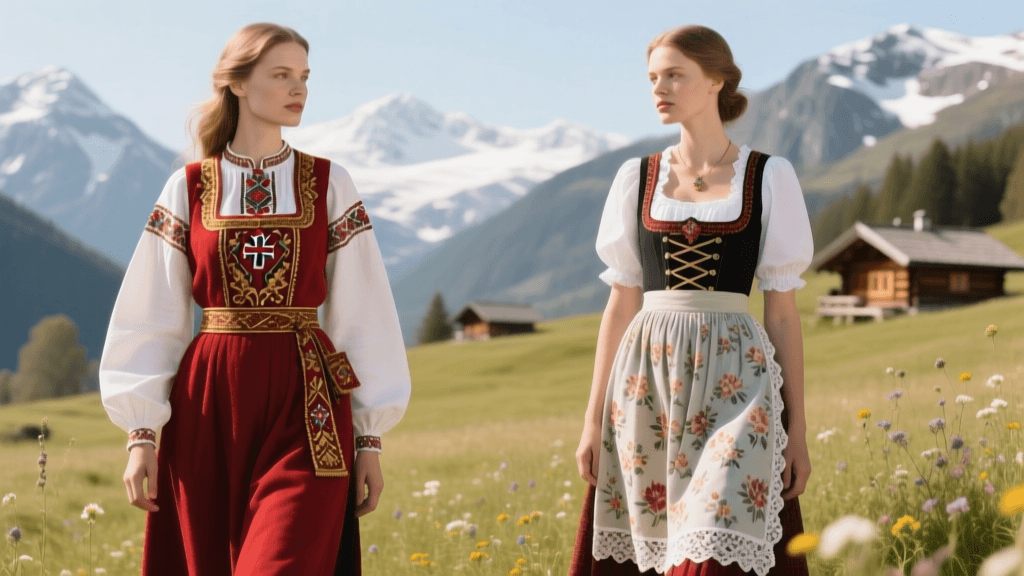
To understand how these two garments fit into the broader spectrum of European folk dress, it is helpful to compare their core characteristics side-by-side. The Metropolitan Museum of Art's archives on European folk art note that while both garments serve as regional identifiers, their relationship to modern fashion differs fundamentally.
| Feature | Norwegian Bunad | Austrian Dirndl |
|---|---|---|
| Origin Era | Early 20th century (based on 18th/19th-century rural dress) | 19th century (Alpine workwear) |
| Regulation | Strictly regulated by local Bunad councils | Fluid; open to fashion trends and personal expression |
| Primary Materials | Heavy wool, linen, hand-spun yarns | Loden wool, cotton, silk, linen |
| Embroidery Style | Region-specific cross-stitch, wool-thread floral motifs | Varies widely; from minimalist to elaborate floral appliqué |
| Jewelry | Oxidized silver filigree (Sølv) | Gold, silver, horn, or pearl necklaces (Dirndlschmuck) |
| 2026 Avg. Cost | $4,200 - $7,000 USD (including silver) | $850 - $2,800 USD (for designer/atelier pieces) |
| Primary Occasions | Constitution Day (May 17), weddings, baptisms | Oktoberfest, weddings, alpine festivals, church holidays |
Sourcing Authentic Garments in 2026
For international buyers and cultural enthusiasts, sourcing authentic garments requires navigating a specialized market. The days of buying heritage folk dress off the rack are fading, replaced by a bespoke, artisan-driven model.
Where to Buy the Bunad
You cannot simply purchase a Bunad online. Buyers must connect with an authorized bunad-tilvirker in the specific region of their Norwegian ancestry. The process begins with a consultation and precise measuring session. If you live outside Norway, many approved makers offer virtual consultations and detailed measurement guides, though shipping the physical silver and final wool garments requires insured international logistics. Husfliden, a prominent Norwegian handicraft organization, operates physical stores across Norway and remains the most trusted starting point for international inquiries.
Where to Buy the Dirndl
Sourcing a high-quality Dirndl is more accessible but requires avoiding tourist-oriented 'costume' shops. In 2026, the best investments are made at established Trachten houses. In Munich, institutions like Lodenfrey offer both ready-to-wear premium collections and bespoke tailoring. In Salzburg and Vienna, smaller ateliers focus on custom-fitted Mieders and hand-pleated skirts. When purchasing, always check the material composition tags; authentic 2026 Tracht will proudly list 100% Schurwolle (virgin wool), Baumwolle (cotton), or Seide (silk), rather than synthetic blends.
Care, Maintenance, and Storage
Both the Bunad and the Dirndl are investment pieces that require meticulous care. The heavy wools and intricate embroideries are highly susceptible to moth damage and moisture.
- Cleaning: Never machine wash a Bunad or a high-end Dirndl. Wool skirts and bodices must be professionally dry-cleaned by specialists who understand heritage textiles. Linen blouses and cotton aprons can be gently hand-washed in cold water with pH-neutral detergents.
- Silver Care: Bunad silver should be polished sparingly to maintain the intentional oxidized (darkened) crevices that highlight the filigree work. Use specialized silver dips or cloths designed for antique jewelry, and store the pieces in anti-tarnish cloth bags.
- Storage: Store wool garments in breathable cotton garment bags. Never use plastic, which traps moisture and encourages mold. Include natural cedar blocks or dried lavender sachets to deter moths, avoiding chemical mothballs that can degrade natural dyes and leave permanent odors.
Conclusion
As we navigate 2026, the Norwegian Bunad and the Austrian Dirndl stand as testaments to the enduring power of regional identity in a globalized world. While the Bunad offers a strict, deeply historical connection to Norwegian ancestry and local topography, the Dirndl provides a dynamic, evolving canvas for Alpine elegance and sustainable fashion. By understanding the construction, cultural rules, and modern market realities of these garments, enthusiasts can respectfully participate in the preservation of Europe's most spectacular textile traditions. Whether you are fastening the silver brooches of a Hardanger Bunad or tying the apron of a Salzburg Dirndl, you are wearing a living piece of European history.