Mastering Romanian Ia Smocking Patterns & Techniques 2026
The Renaissance of the Romanian Ia in 2026
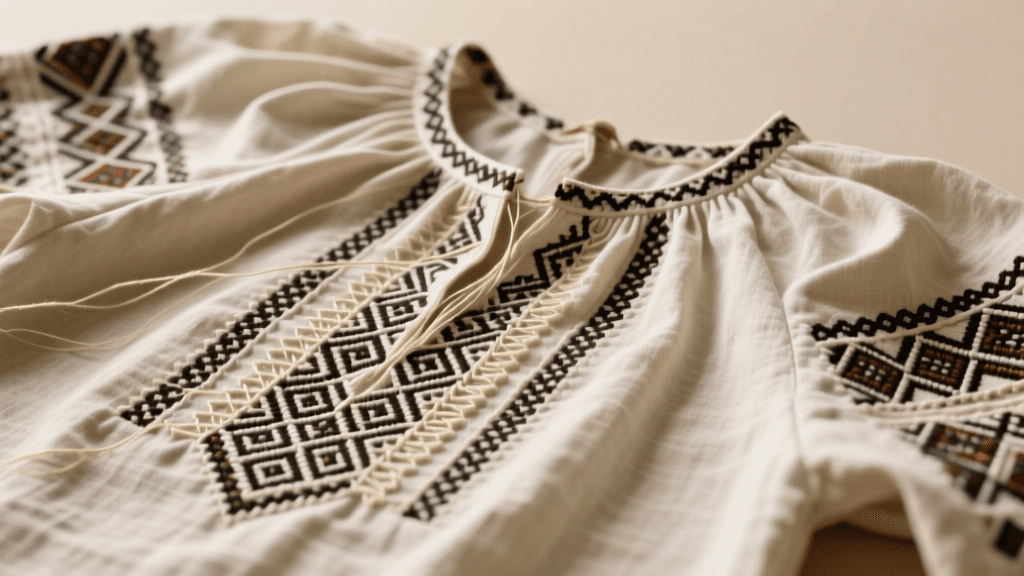
The Romanian Ia (traditional blouse) is more than a garment; it is a masterclass in zero-waste pattern drafting and intricate textile manipulation. As we move through 2026, the global slow-fashion movement has sparked a massive revival in historical European folk dress construction. Artisans and designers are looking past the superficial embroidery and diving deep into the structural genius of the altița—the heavily smocked and embroidered shoulder piece that defines the silhouette of the traditional Romanian blouse.
Recognized by UNESCO as an Intangible Cultural Heritage of Humanity, the art of the traditional blouse with embroidery on the shoulder represents a profound connection to Eastern European agrarian roots. According to the official UNESCO Intangible Cultural Heritage registry, the transmission of these smocking and stitching techniques remains a vital community practice. In this comprehensive guide, we break down the exact construction patterns, smocking mechanics, and material preparations required to build an authentic Ia blouse using 2026 best practices.
Material Selection: Linen, Hemp, and Modern Alternatives
Historically, the Ia was constructed from hand-woven hemp or flax linen. In 2026, while authentic hand-woven textiles from rural cooperatives in Moldavia and Wallachia are still available, most contemporary makers opt for high-quality, evenly woven European flax linen. The key to successful smocking is the fabric's thread count and structural stability.
Recommended Fabric Specifications for 2026
- Weight: Medium-weight linen (180 to 220 GSM). Lighter fabrics collapse under the weight of the heavy altița smocking, while heavier fabrics resist gathering.
- Thread Count: 25 to 28 threads per centimeter. An even-weave structure is non-negotiable for counting threads during the geometric embroidery phases.
- Preparation: Pre-wash the linen at 60°C to account for shrinkage, then press with heavy steam. Starching the fabric lightly before marking your smocking grid is a 2026 studio standard that prevents distortion during the gathering process.
Drafting the Pattern: The Zero-Waste Rectangular Cut
Unlike modern tailored garments that rely on curved armholes and princess seams, the traditional Ia is constructed entirely from rectangles and squares. This zero-waste approach honors the historical value of hand-woven cloth, where not a single scrap was wasted. The blouse consists of four main components: the front panel, the back panel, two sleeves (which include the altița), and the pienita (the narrow side gussets).
Below is a standard proportional drafting chart for a modern size medium (US 8 / UK 12), adapted for contemporary wearability while maintaining historical drape.
| Garment Component | Width (cm) | Length (cm) | Construction Notes |
|---|---|---|---|
| Front Panel | 55 | 65 | Includes center front slit and neckline gathering allowance. |
| Back Panel | 55 | 65 | Slightly wider ease for movement across the shoulder blades. |
| Sleeve (incl. Altița) | 60 | 70 | Rectangular; top 25cm is gathered into the altița smocking block. |
| Pienita (Side Gusset) | 12 | 50 | Provides crucial underarm mobility and hip flare. |
| Cuff (Pumn) | 22 | 8 | Wristband; heavily embroidered with protective geometric motifs. |
The Altița: Mastering the Smocking Technique
The altița is the crown jewel of the Ia. It is a rectangular piece of fabric, usually 25 cm wide and 30 cm long, attached to the top of the sleeve. It serves a dual purpose: structurally, it creates a puffed, rounded shoulder silhouette; decoratively, it acts as a canvas for the most complex, dense smocking and embroidery on the garment.
Step-by-Step Altița Smocking
- Grid Marking: On the wrong side of the altița rectangle, mark a precise grid using a water-soluble fabric pen. Standard 2026 grids use 5mm x 5mm squares for fine linen, or 10mm x 10mm for heavier weaves.
- The Gathering Stitches: Using a strong, waxed cotton basting thread, sew running stitches along the horizontal lines of your grid. Do not pull tight yet. Ensure your stitch length exactly matches the grid width (e.g., 5mm).
- Pulling the Gathers: Once all horizontal rows are threaded, gently pull the threads to gather the fabric. The fabric will compress into tight, uniform pleats. Tie off the threads securely at the edges.
- Stabilization: Traditional makers used a backing of thin, hand-woven cotton. In 2026, many artisans use a lightweight, tear-away embroidery stabilizer to keep the smocked block rigid while applying the decorative surface stitches.
Embroidery Stitches and Geometric Motifs
Once the altița is smocked and stabilized, the surface embroidery begins. The motifs are strictly geometric, rooted in ancient agrarian symbolism. Rhombuses represent fertility and the sown field, while crosses and solar circles offer protection against the evil eye.
To execute these motifs over the smocked gathers, specific stitches are required. The archives at the Romanian Peasant Museum highlight the historical importance of regional stitch variations, which continue to influence modern makers and textile preservationists today.
Essential Stitches for the Ia
- The Romanian Stitch (Punctul Românesc): A variation of the herringbone or closed blanket stitch, worked over the gathers to create a dense, braided look that binds the pleats together while adding vibrant color.
- Chain Stitch (Lanț): Used for outlining the geometric shapes. When worked over smocked fabric, the chain stitch creates a raised, three-dimensional cord effect.
- Cross-Stitch (Cruce): Executed by counting the underlying fabric threads, though on heavily smocked areas, makers often rely on the visual grid created by the gathers themselves.
Thread Choices for 2026: While traditional blouses utilized hand-spun wool or silk dyed with walnut husks, madder root, and indigo, contemporary makers have access to a wider palette. Hand-dyed, colorfast cotton floss from artisan dyers is currently the gold standard, offering the matte finish of historical threads with the durability and colorfastness required for modern laundering. Metallic threads, once a sign of extreme wealth in the 19th century, are being reimagined in 2026 with subtle, matte-finish copper and bronze wires that catch the light without looking synthetic.
Troubleshooting Common Altița Smocking Mistakes
Smocking over a geometric grid requires immense precision. Even experienced embroiderers can encounter structural issues when working with traditional European folk patterns. Here is how to solve the most common problems encountered in 2026 studio environments:
- Uneven Tension: If your pleats fan out at the bottom but are tight at the top, your running stitches are not perfectly parallel. Always use a quilting ruler and a water-soluble pen to mark the reverse side before threading. Do not rely on 'eyeballing' the grid.
- Thread Breakage During Gathering: Standard sewing thread will snap under the tension of heavy linen. Always use heavy-duty upholstery thread or waxed linen cord for the initial gathering rows. You will remove these structural threads later, so they do not need to match your embroidery floss.
- Fabric Distortion: Linen has a natural tendency to bias. If your rectangular altița piece begins to warp into a parallelogram while stitching, block the fabric on a corkboard with rust-proof pins before beginning your surface embroidery.
Assembly and Finishing Techniques
Assembling the Ia requires a delicate touch, particularly when joining the heavily gathered components to the flat panels. The neckline is created by gathering the top edges of the front, back, and altița pieces into a narrow, embroidered collar band.
Fagoting and Lace Insertion
To join the rectangular panels, historical garments often utilized fagoting (a decorative stitching technique that joins two pieces of fabric with a gap between them) or handmade bobbin lace. In 2026, the cheița (keyhole) stitch remains the most popular method for seam joining. This hand-sewn buttonhole stitch creates a flexible, lace-like bridge between the front panel and the pienita, allowing the garment to stretch and move with the wearer. Use a high-twist mercerized cotton thread for the cheița to ensure the structural bridges do not fray over time.
The Final Press
Never iron the smocked altița flat. To preserve the three-dimensional puff of the shoulder, press the garment from the wrong side using a tailor's ham and a burst of steam. The gathers must remain buoyant. The flat panels and cuffs can be pressed crisp, creating a beautiful textural contrast between the structured linen and the organic, sculptural smocking.
Conclusion: Preserving Heritage Through Precision
Constructing a Romanian Ia blouse is an exercise in patience, geometry, and respect for material. By understanding the zero-waste rectangular drafting, mastering the altița smocking grid, and utilizing the correct regional embroidery stitches, modern makers can create garments that are not only historically accurate but structurally sound for contemporary wear. As the appreciation for European folk dress continues to grow throughout 2026, the techniques behind the Ia stand as a testament to the ingenuity of traditional textile artisans.