Norwegian Bunad vs Swedish Folkdräkt: 2026 Sourcing Guide
Introduction to Nordic Folk Dress in 2026
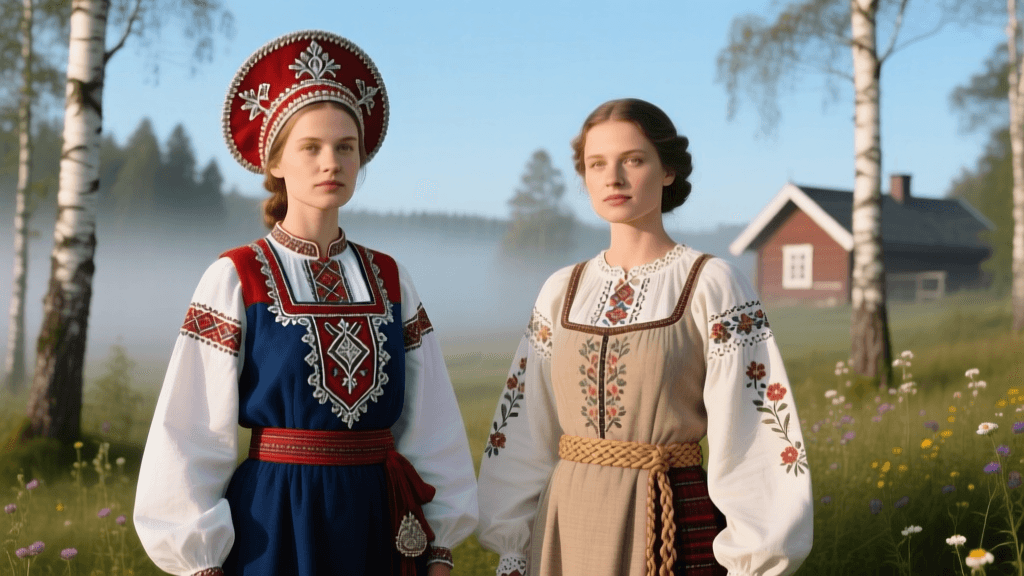
European folk dress represents a living, breathing tapestry of regional history, textile innovation, and cultural pride. While many traditional garments across the continent have been relegated to museum displays or tourist performances, the Nordic approach to folk costumes remains deeply embedded in contemporary life. As we navigate the 2026 festival and wedding season, the demand for authentic, regionally accurate garments has surged, driven by a renewed interest in sustainable, slow-fashion textiles and ancestral heritage.
For collectors, cultural enthusiasts, and those looking to invest in a piece of European textile history, understanding the distinct differences between the Norwegian bunad and the Swedish folkdräkt is essential. Though they may appear similar to the untrained eye—both featuring intricate wool skirts, linen undergarments, and striking silver jewelry—their rules of construction, regional governance, and sourcing pathways are vastly different. This comprehensive guide breaks down the nuances of these two iconic garment traditions, providing actionable advice for sourcing, measuring, and styling them in 2026.
The Norwegian Bunad: Strict Traditions and Regional Variants
The Norwegian bunad is not merely a folk costume; it is a highly regulated cultural artifact tied to specific geographic regions and family lineages. Governed by the Norsk Institutt for Bunad og Folkedrakt (Norwegian Institute for Bunad and Folk Costume), the creation and wearing of a bunad are subject to strict historical accuracy. You cannot simply choose a bunad because you like the colors; tradition dictates that you wear the bunad of your ancestral hometown or the region where you have deep, long-term roots.
Hardanger vs. Telemark: A Regional Breakdown
To understand the diversity within Norway, one must look at the contrasting textile techniques of the Hardanger and Telemark regions. The Hardangerbunad, often considered the oldest continuous bunad tradition, is characterized by its stark, elegant contrast. It features a black wool skirt and bodice paired with a white linen apron adorned with hvitsaum (white-work embroidery) and geometric cross-stitching. The silver jewelry (bunadsølv) for Hardanger is heavily oxidized, featuring intricate filigree and crown motifs.
Conversely, the Telemark bunad is a masterpiece of vibrant color and fluid design. Based on 18th-century rural garments, it utilizes deep blue or black wool heavily embroidered with rosesaum (rose embroidery), featuring sprawling, asymmetrical floral motifs in reds, yellows, and blues. The silver used in Telemark is typically polished to a high shine, featuring large, ornate brooches and belt buckles.
Sourcing and Costs in 2026
Ordering a custom Norwegian bunad in 2026 is a significant financial and temporal investment. Due to a shortage of certified bunadtilvirkere (bunad tailors) and the rising cost of European-spun wool and hand-forged silver, lead times currently range from 8 to 14 months. A complete, authentic bunad ensemble—including the wool skirt, bodice, linen shirt, silk scarf, silver jewelry, and hand-stitched shoes—typically costs between 45,000 and 75,000 NOK (approximately $4,200 to $7,000 USD). Buyers must order through certified ateliers such as Husfliden, which guarantees that the embroidery patterns and silver casts strictly adhere to the regional council's approved archives.
The Swedish Folkdräkt: Revival and Creative Freedom
While the Norwegian bunad is rigidly protected, the Swedish folkdräkt operates on a more decentralized and flexible system. Sweden boasts over 800 documented regional folk costumes, tied to the historical parish (socken) system. According to the extensive archives at Nordiska Museet in Stockholm, Swedish folk dress experienced a massive revival in the late 19th and early 20th centuries, and the contemporary 2026 approach encourages local variations and personal adaptations, provided the core parish markers are respected.
Dalarna and Skåne: Distinctive Textile Markers
The province of Dalarna is the heartland of the Swedish folkdräkt, with the parishes of Rättvik and Leksand producing some of the most recognizable silhouettes in Europe. The Rättvik dräkt is famous for its striking vertical-striped apron in black, white, and red, paired with a black bodice and a distinctive white linen cap with a pointed crown. The textile weaving techniques here rely heavily on locally sourced linen and wool, often woven on traditional floor looms by members of the Svensk Hemslöjd (Swedish Craft Association).
In the southern province of Skåne, the folkdräkt takes on a heavier, more continental European influence. The skirts are often made of dark, finely pleated wool, and the bodices feature elaborate woven silk ribbons and metallic thread embroidery. The aprons in Skåne are frequently woven using the rosengang (rosepath) technique, creating dense, geometric patterns that contrast sharply with the lighter, airier garments of the north.
Sourcing Vintage vs. Newly Woven Garments
Unlike Norway, where buying new is the standard, the Swedish folkdräkt market in 2026 heavily embraces the circular economy. Sourcing vintage, mid-20th-century folkdräkts from estate sales or specialized antique textile dealers in Stockholm and Uppsala is highly popular and often more affordable. A complete, well-preserved vintage Dalarna dräkt can be sourced for 8,000 to 20,000 SEK ($750 to $1,900 USD). However, buyers must be cautious of moth damage in vintage wool and the degradation of metallic threads in older silk ribbons. For newly commissioned garments, buyers work directly with local parish craft guilds, with costs ranging from 25,000 to 45,000 SEK.
2026 Sourcing Directory: Bunad vs. Folkdräkt Comparison
When deciding between investing in a Norwegian bunad or a Swedish folkdräkt, it is crucial to understand the structural and cultural differences. The table below outlines the primary distinctions for buyers and wearers in 2026.
| Feature | Norwegian Bunad | Swedish Folkdräkt |
|---|---|---|
| Regulatory Body | Bunad- og folkedraktrådet (Strict) | Local parish guilds / Hemslöjden (Flexible) |
| Right to Wear | Ancestry or long-term residence | Parish connection, local adoption, or appreciation |
| Base Textiles | Industrially or locally woven worsted wool | Locally woven wool, linen, and silk ribbons |
| Jewelry / Metals | Strict, region-specific silver filigree | Variable; silver, pewter, and brass brooches |
| 2026 Avg. Cost (New) | 45,000 - 75,000 NOK | 25,000 - 45,000 SEK |
| Lead Time (Custom) | 8 to 14 months | 4 to 9 months |
Practical Styling and Footwear Rules for 2026 Festivals
Wearing these garments requires adherence to specific styling rules to maintain historical integrity, especially when attending high-profile events like Norwegian Constitution Day (Syttende Mai) or Swedish Midsummer celebrations.
- Footwear: For Norwegian bunads, you must wear traditional bunadskor—black leather shoes with silver or brass buckles, featuring a low, stacked heel. Modern sneakers or high heels are considered highly inappropriate. For Swedish folkdräkts, the traditional nävringsskor (birch-bark or leather slip-ons) are historically accurate, though plain black leather pumps or simple lace-up boots are widely accepted in contemporary settings.
- Hair and Headwear: In both traditions, unmarried women and girls typically wear their hair down or in braids, often adorned with floral crowns (for Midsummer) or specific regional ribbons. Married women are traditionally expected to cover their hair. In Norway, this means a structured linen cap or a silk scarf tied in a region-specific knot. In Sweden, married women wear intricate lace or linen bonnets (hatt), which vary wildly in shape from parish to parish.
- Outerwear: The Nordic climate demands practical outerwear. The Norwegian cape (often made of black or blue wool with embroidered borders) is the only acceptable outer layer for a bunad. In Sweden, woven wool shawls (sjal) pinned with a penannular brooch are the standard for cooler evenings.
Measuring for a Custom Garment: What to Expect
If you are commissioning a new garment in 2026, be prepared for a rigorous measuring process. A certified bunad tailor will take up to 16 distinct measurements, focusing heavily on the torso and waist, as the bodice must act almost like a corset, providing structural support without the use of modern synthetic boning. You will be measured in the specific linen undergarment you plan to wear, as the thickness of the fabric affects the final fit. For Swedish folkdräkts, the bodice is generally less restrictive, but the pleating of the wool skirt requires precise waist and hip measurements to ensure the heavy fabric drapes correctly without pulling at the seams.
Caring for Handwoven Wool and Silver Filigree
Maintaining these investment pieces requires specialized care. Never dry-clean a bunad or folkdräkt; the harsh chemicals will strip the natural lanolin from the wool and tarnish the metallic embroidery threads. Instead, air the garments outside on a damp, foggy morning—a traditional Nordic technique that naturally releases odors and minor wrinkles. Spot clean stains with cold water and a mild, lanolin-based wool soap.
Silver jewelry requires regular maintenance, especially the intricate filigree work found on Norwegian bunad silver. Avoid commercial liquid silver dips, which can damage the oxidized details that provide contrast. In 2026, conservationists recommend using a soft, untreated microfiber cloth and specialized, non-abrasive silver polishing foams designed specifically for antique filigree, ensuring the garment's heritage is preserved for the next generation.
Conclusion
Whether you are drawn to the strict, majestic elegance of the Norwegian bunad or the vibrant, community-driven revival of the Swedish folkdräkt, investing in Nordic folk dress is a commitment to preserving European textile history. By understanding the regional nuances, respecting the sourcing traditions, and adhering to the styling rules of 2026, you ensure that these magnificent garments continue to be worn with pride, accuracy, and deep cultural respect.