Norwegian Bunad Silver Solje & Skaut Headwear Guide 2026
The Renaissance of Norwegian Bunad Accessories in 2026
The Norwegian Bunad is far more than a simple folk costume; it is a living, breathing testament to regional heritage, craftsmanship, and familial pride. As we move through 2026, the global and local revival of traditional European folk dress has placed an unprecedented spotlight on the intricate accessories that complete these garments. At the heart of this revival are the dazzling Sølv (silver) jewelry pieces and the meticulously tied Skaut (traditional headwear). According to the Bunad- og folkedraktrådet (The Norwegian Council for Folk Costumes), the demand for historically accurate, locally crafted accessories has surged in 2026, driven by a new generation seeking sustainable, heirloom-quality fashion over fast-produced alternatives.
Whether you are assembling your first Hardanger Bunad, inheriting a Telemark ensemble, or simply researching the profound symbolism of Scandinavian metalwork and textiles, understanding the nuances of Bunad silver and headwear is essential. This comprehensive guide explores the anatomy, styling, and 2026 market realities of Norway's most cherished folk accessories.
The Sølje Brooch: Symbolism and Craftsmanship
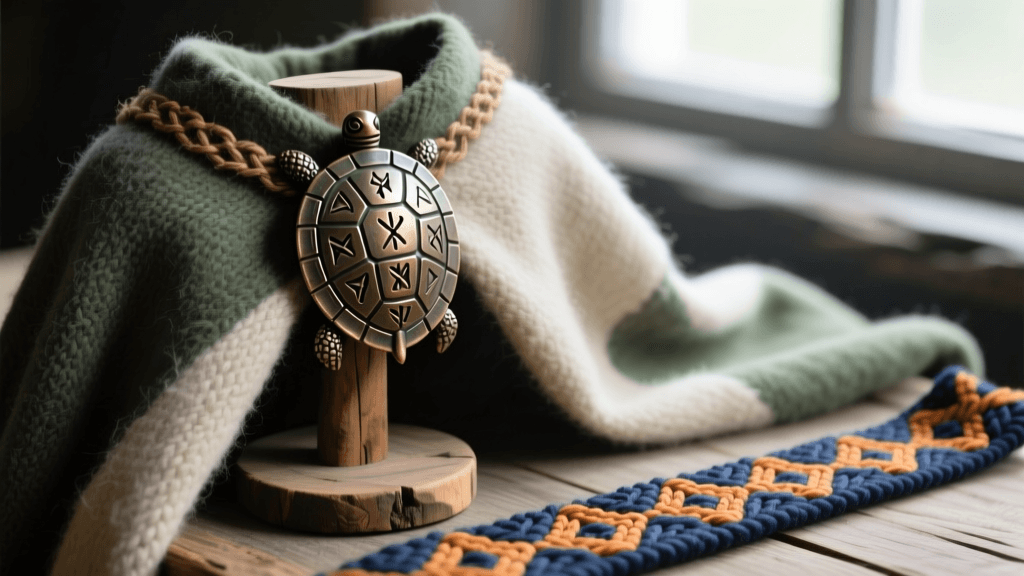
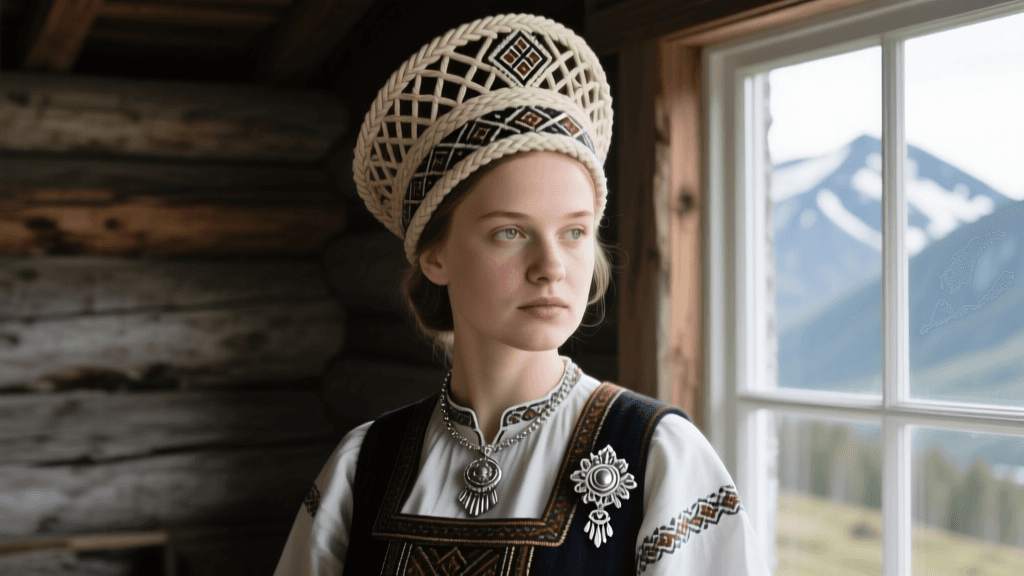
No Bunad is complete without its Sølje (silver brooch). Historically, silver was believed to possess protective qualities, warding off evil spirits and ensuring the wearer's health and prosperity. The most iconic of these is the Solsølje (Sun Brooch), which features a radiant, symmetrical design reminiscent of the sun's rays. In 2026, master silversmiths continue to use traditional filigree and granulation techniques, ensuring that each piece is a masterclass in metallurgical art.
Authentic Norwegian Bunad silver is strictly regulated. As of 2026, genuine pieces must be hallmarked with either 830S (83% pure silver, the historical standard for Norwegian folk jewelry) or 925S (Sterling silver). The Norsk Folkemuseum (Norwegian Museum of Cultural History) notes that the 830S alloy remains highly prized by purists because its slightly higher copper content provides the exact structural rigidity needed for the intricate, dangling elements of traditional Sølje designs.
Anatomy of a Traditional Solsølje
To appreciate the craftsmanship, one must understand the distinct components that make up a classic Solsølje:
- Skjermen (The Shield): The central, often domed or flat base of the brooch, featuring intricate cut-out patterns or filigree wirework.
- Kuler (The Balls): Small silver spheres soldered onto the design, representing fertility and the seeds of the earth.
- Løv (The Leaves): Teardrop-shaped silver pendants that dangle from the bottom edge, designed to catch the light and create a soft chiming sound when the wearer moves.
- Krone (The Crown): Some regional variations feature a small, crown-like element at the top of the shield, symbolizing honor and marital status.
Beyond the Brooch: Essential Bunad Silver Jewelry
While the large chest Sølje is the centerpiece, a fully accessorized Bunad requires a coordinated suite of silver. In 2026, complete silver sets (Søljesett) are highly sought after. These typically include:
- Halsknapp (Neck Button): A smaller, simpler silver clasp used to secure the collar of the linen shirt (Skjorte).
- Mansjettknapper (Cufflinks): Often featuring a simple T-bar or chain design, securing the embroidered cuffs of the blouse.
- Beltespenne og Beslag (Belt Buckle and Fittings): For regions like Valdres and Gudbrandsdalen, the leather belt is heavily adorned with silver plates and a prominent central buckle.
- Ørepynt (Earrings): Though historically less common than brooches, silver drop earrings matching the Sølje's filigree pattern have become a standard accessory in modern 2026 Bunad styling.
Traditional Headwear: The Skaut, Lin, and Hodeplagg
Headwear in Norwegian folk dress is not merely decorative; it is a complex visual language that historically communicated a woman's marital status, age, and specific regional origin. The general term for headwear is Hodeplagg, but the specific styles vary dramatically across the country's deep valleys and fjords.
The Lin and the Skaut
For married women, the traditional headpiece is the Skaut. However, the Skaut is actually a multi-layered construction. The foundation is the Lin (or Hue), a tightly fitted cap made of crisp white linen that covers the hair completely. The Lin is often heavily embroidered with white-work (Hvitsøm) or subtle regional motifs. Over the Lin, the outer Skaut is tied. This outer piece is typically made of fine silk, wool, or patterned cotton, depending on the region.
Unmarried women, conversely, historically wore their hair uncovered, often adorned with a simple ribbon, a floral wreath (Blomsterkrans), or a delicate metal diadem known as a Brudekrone (bridal crown) on their wedding day. In 2026, many younger wearers opt for the elegant simplicity of a silk hair ribbon tied at the nape of the neck, respecting the historical marital codes while maintaining practicality for modern festivals.
Regional Variations in Headwear
The visual impact of the Skaut changes depending on where you are in Norway:
- Hardanger: Famous for its pristine white aesthetic. The Skaut here is often a masterclass in white linen embroidery, sometimes accented with subtle silk threads, and secured with a specialized silver Skaut needle (Skauteknapp).
- Telemark: Features vibrant, colorful silk scarves tied in elaborate, structured knots at the back of the head, often complementing the rich reds and blacks of the Telemark Bunad.
- Trøndelag: Utilizes a distinct, structured bonnet often made of black silk or fine wool, sometimes featuring subtle gold or silver thread embroidery along the brim.
How to Tie a Traditional Silk Skaut (Step-by-Step)
Tying a Skaut is an art form passed down through generations. Here is a simplified method for a standard rectangular silk Skaut used in many Eastern Norwegian traditions:
- Ensure your hair is tightly pinned up and covered by the foundational linen Lin cap.
- Drape the silk Skaut evenly over the head, ensuring the decorative borders frame the face symmetrically.
- Cross the two long ends at the nape of the neck, pulling them snug to secure the fabric over the crown.
- Bring the ends back up to the side of the head (just above the ear) and tie a firm, flat square knot.
- Tuck the loose tails neatly under the knot or pin them discreetly with a hidden silver Skaut pin to maintain a clean silhouette.
2026 Market Guide: Pricing and Sourcing Authentic Pieces
Sourcing authentic Bunad accessories requires navigating a market that values heritage over mass production. In 2026, the precious metals market and the high cost of specialized artisan labor have influenced pricing. When purchasing silver, always look for the maker's mark and the silver content stamp (830S or 925S). Renowned heritage brands like Sylvsmia, based in Voss, continue to set the gold standard for Norwegian folk silver, offering pieces that are virtually identical to museum artifacts from the 19th century.
| Accessory Type | Description & Materials | 2026 Average Price (NOK) | 2026 Average Price (USD) |
|---|---|---|---|
| Large Solsølje (Chest) | Filigree 830S silver with dangling leaves and balls | 4,800 - 8,500 NOK | $450 - $790 USD |
| Halsknapp (Neck) | Small 925S silver collar clasp | 600 - 1,200 NOK | $55 - $110 USD |
| Beltesølje (Belt Buckle) | Heavy cast 830S silver with leatherwork | 3,500 - 7,000 NOK | $325 - $650 USD |
| Skaut (Silk Headscarf) | 100% Mulberry silk, hemmed, regional patterns | 1,800 - 3,500 NOK | $170 - $325 USD |
| Lin (Linen Undercap) | Hand-embroidered white linen cap | 2,500 - 5,000 NOK | $230 - $465 USD |
Expert Tip for 2026 Buyers: 'Never purchase Bunad silver from unverified online marketplaces. Authentic Norwegian silver is an investment that appreciates over time. Always request a certificate of authenticity and ensure the piece bears a recognized Norwegian maker's mark alongside the silver purity stamp.' — Master Silversmith Guild Guidelines, 2026.
Caring for Heritage Silver and Textiles
Proper maintenance is crucial for preserving these heirlooms for the next generation. Norwegian Bunad silver, particularly the 830S variety, is prone to oxidation due to its copper content. While some wearers prefer the dark, antique patina that develops in the crevices of filigree work, those who prefer a bright shine should use a specialized silver polishing cloth rather than harsh chemical dips, which can strip the intentional oxidized detailing applied by the silversmith.
Textile headwear requires equal care. Silk Skauts should never be machine washed. In 2026, the recommended practice is to gently spot-clean silk with a pH-neutral textile detergent and store the piece flat, wrapped in acid-free tissue paper to prevent permanent creasing and color transfer. The linen Lin caps can be gently hand-washed in lukewarm water and ironed while slightly damp to maintain their crisp, structured shape.
Conclusion
The accessories of the Norwegian Bunad—the gleaming Sølje brooches and the elegantly tied Skaut headwear—are the vital finishing touches that elevate a garment from a simple outfit to a profound cultural statement. As the European folk dress revival continues to thrive in 2026, investing in authentic, meticulously crafted silver and textiles ensures that these ancient traditions remain vibrant, relevant, and beautifully preserved for decades to come. Whether you are fastening a sun brooch over a woven wool bodice or tying a silk scarf over a linen cap, you are participating in a living history that celebrates the enduring artistry of the Scandinavian landscape.