Norwegian Bunad Silver Jewelry & Brudekrone Crowns: 2026 Guide
The Enduring Legacy of Norwegian Bunad Accessories in 2026
When discussing European folk dress, few traditions are as meticulously preserved and fiercely celebrated as the Norwegian bunad. While the embroidered wool garments and woven linen shirts capture the eye, it is the accompanying silver jewelry (sølvje) and intricate headwear that truly elevate the ensemble from a regional costume to a profound statement of heritage, wealth, and familial pride. As we navigate the 2026 wedding season and the ongoing revival of traditional Scandinavian craftsmanship, understanding the nuances of Bunad accessories has never been more vital for collectors, brides, and cultural enthusiasts alike.
Historically, silver was the ultimate indicator of a family's social standing in rural Norway. Unlike land or livestock, silver could be worn, displayed at church, and easily divided among heirs. Today, the tradition continues with unwavering dedication. However, the 2026 market for traditional Norwegian silver has evolved. With recent fluctuations in global precious metal markets and a renewed cultural emphasis on sustainable, heirloom-quality fashion, modern buyers are increasingly turning to restored antique pieces and certified local artisans rather than mass-produced imports. Whether you are assembling your first bunad or researching the iconic brudekrone (bridal crown), this comprehensive guide covers everything you need to know about Norwegian folk accessories in 2026.
The Brudekrone: Norway’s Iconic Bridal Crown
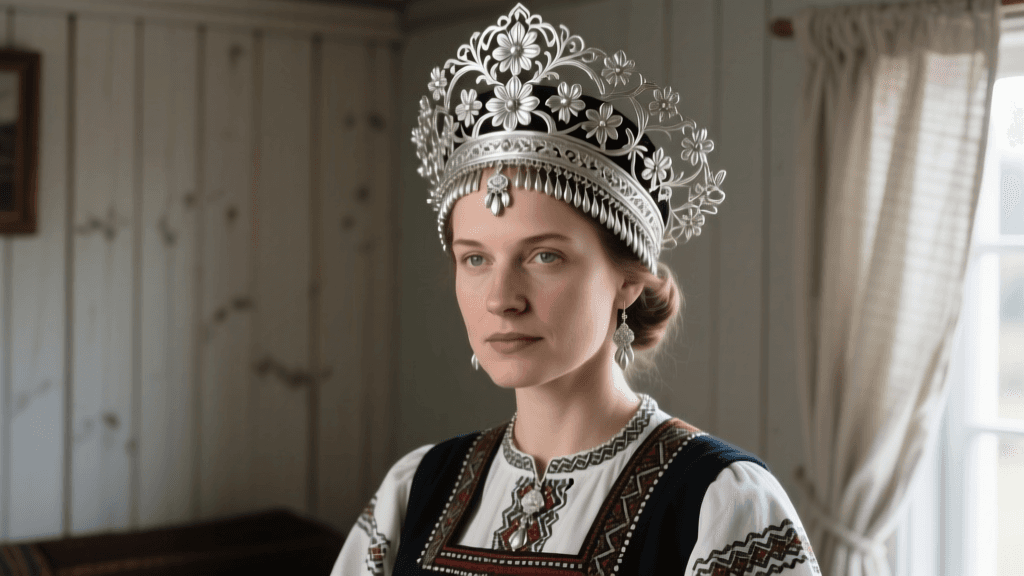
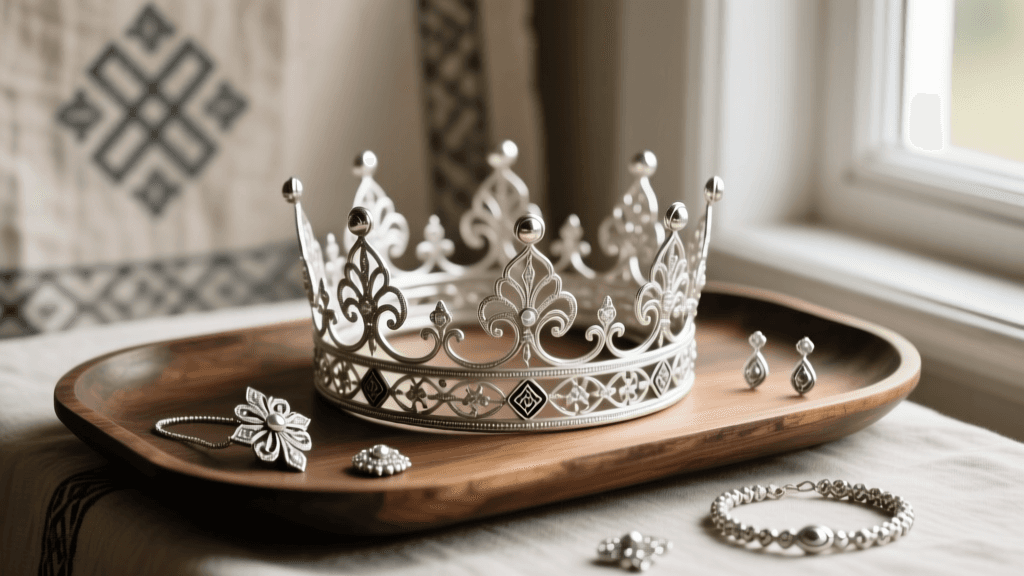
The brudekrone is arguably the most spectacular piece of headwear in all of European folk dress. Worn exclusively by brides on their wedding day, this towering, ornate crown symbolizes purity, honor, and the transition into married life. Originating from medieval ecclesiastical crowns, the Norwegian bridal crown evolved into a regional masterpiece, with distinct variations found in Voss, Hardanger, and Telemark.
Typically constructed from a mix of silver, silver-plated brass, and occasionally adorned with glass stones or pearls, the brudekrone is designed to catch the light and create a soft, chiming sound as the bride moves. This auditory element was historically believed to ward off evil spirits. In 2026, the trend among Norwegian brides heavily favors renting these magnificent pieces from local Husflid (craft) associations or borrowing family heirlooms. Commissioning a brand-new, fully handcrafted silver brudekrone can easily exceed 80,000 NOK, making the robust 2026 rental and restoration market a highly practical alternative.
How to Secure the Bridal Crown
Wearing a brudekrone requires specific traditional techniques to ensure it remains secure throughout a long day of celebrations. Modern stylists and traditionalists agree on the following 2026 best practices:
- The Hair Base: The hair is traditionally parted in the center and braided tightly. The braids are then wrapped around the head to create a sturdy, natural anchor.
- Hidden Pins: Rather than using modern metal clips, traditionalists use carved wooden pins or specialized U-shaped silver hairpins slipped directly through the braids and the inner wireframe of the crown.
- Silk Ribbons: Long, wide silk ribbons are attached to the back of the crown, flowing down the bride's back. These are not merely decorative; they are often crossed under the chin or pinned to the bodice to distribute the weight of the heavy metalwork.
Essential Sølvje: The Hierarchy of Bunad Silver
A complete bunad is rarely worn without its corresponding silver. The jewelry serves both a decorative and functional purpose, holding the linen shirt (skjorte) closed and securing the heavy wool skirts. The specific pieces required depend entirely on the region your bunad represents, but the core hierarchy remains consistent across most of Norway.
The Neck Brooch (Halsknapp)
Worn at the very top of the shirt collar, the halsknapp is typically a small, round, or oval button. In regions like Hardanger, this piece often features a raised dome with delicate filigree work, while Setesdal designs favor heavily oxidized silver with geometric patterns. It keeps the collar snug against the neck and serves as the foundational anchor for the chest jewelry.
The Chest Brooch (Brystknapp or Sølje)
The brystknapp is the centerpiece of the bunad's silver collection. Often measuring up to 10 centimeters in diameter, this large brooch is pinned to the front of the shirt or the bodice. It is characterized by its dangling elements—known as skjeer (spoons), hjerter (hearts), or kroner (crowns). According to archival records preserved at the Museum of Cultural History, these dangling elements were historically thought to represent tears, fertility, or the protective gaze of the divine, reflecting the deep spiritual connection between the wearer and their ancestry.
Belt and Shoe Buckles
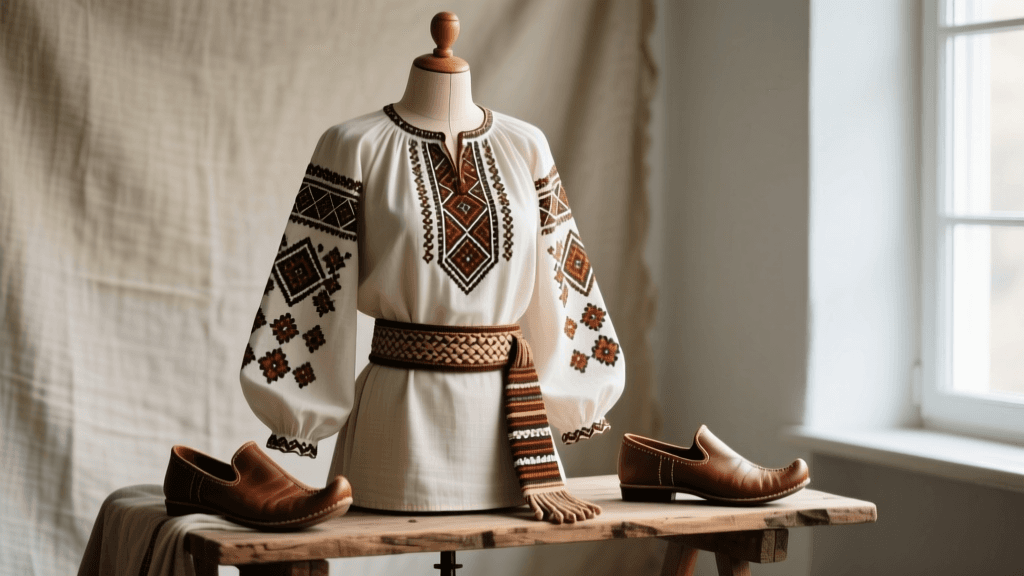
For bunads that feature a leather or woven belt, an ornate silver beltespenne (belt buckle) is essential. These are often rectangular, featuring intricate engravings that match the embroidery patterns of the wool skirt. Similarly, skospenner (shoe buckles) are pinned to the traditional leather bunad shoes, completing the look from head to toe.
2026 Pricing and Investment Guide
Investing in authentic Norwegian silver is a significant financial commitment. Due to the strict regulations enforced by Norwegian assay offices, all genuine bunad silver must meet precise purity standards. Below is a breakdown of average market prices for authentic, domestically produced silver accessories in 2026.
| Accessory Type | Norwegian Term | 2026 Average Price (NOK) | Silver Purity Standard |
|---|---|---|---|
| Neck Brooch | Halsknapp | 2,500 - 4,500 | 830s or 925s |
| Chest Brooch | Brystknapp / Sølje | 4,500 - 14,000 | 830s or 925s |
| Bridal Crown | Brudekrone | 15,000 - 65,000+ | Mixed / Silver-plated |
| Belt Buckle | Beltespenne | 3,500 - 9,000 | 830s or 925s |
| Shoe Buckles | Skospenner | 1,800 - 4,000 | 830s or 925s |
| Cufflinks | Mansjettknapper | 1,200 - 3,000 | 830s or 925s |
Note: Prices reflect new, handcrafted pieces from certified Norwegian silversmiths in 2026. Antique or vintage pieces may vary wildly in price based on provenance, condition, and the renown of the historical maker.
Identifying Authentic Heritage Silver and Hallmarks
One of the most critical skills for any bunad enthusiast is the ability to read Norwegian silver hallmarks (stempler). Unlike the international Sterling standard (925s), Norway historically utilized an 830s standard (83% pure silver). This slightly lower silver content made the metal harder and more durable, which was ideal for the intricate filigree and heavy wear associated with folk dress. While many modern artisans have transitioned to 925s to accommodate international export markets, 830s remains highly prized by purists and antique collectors.
When examining a piece of bunad silver, look for three distinct stamps:
- The Purity Mark: Typically stamped as '830S' or '925S'.
- The Maker's Mark: The initials or symbol of the silversmith. Historic names like David Andersen (D-A) and J. Tostrup command a premium in the 2026 vintage market.
- The Town Mark: A symbol indicating the city of assay, such as the crowned lion for Oslo or the specific regional markers for Bergen and Trondheim.
As highlighted by the Norwegian Museum of Cultural History, the preservation of these hallmarking traditions is vital for maintaining the integrity of the bunad as a protected cultural artifact. Buyers in 2026 should always request a certificate of authenticity when purchasing from independent jewelers or online marketplaces to ensure the silver meets the strict guidelines set forth by the Bunad and Folk Costume Council.
Everyday Headwear: Beyond the Bridal Crown
While the brudekrone steals the spotlight, traditional European folk dress is deeply rooted in the modesty and social signaling of everyday headwear. In Norwegian tradition, a woman's marital status was instantly communicated through her head covering.
Unmarried women and girls typically wore their hair uncovered, often styled in long braids tied with vibrant woolen or silk ribbons. However, upon marriage, a woman's hair was strictly bound and covered. The skaut is a prime example of this. Worn primarily in the Hardanger region, the skaut is a brilliant white linen headpiece, heavily starched and folded into a complex, winged structure that frames the face. In 2026, mastering the folding of the skaut is considered a high-level skill within local craft guilds, often requiring the assistance of an elder or a professional dresser for formal events.
In other regions, such as Valdres and Gudbrandsdalen, married women wore the kyse, a soft, bonnet-like cap often made of fine white linen or black silk, sometimes adorned with subtle lace or regional embroidery. These pieces are experiencing a massive resurgence in 2026, as younger generations seek to wear their bunads with complete historical accuracy, moving away from the modern habit of leaving the head bare.
Care and Maintenance of Traditional Silver
Proper maintenance of bunad silver is essential to preserve its value and historical integrity. The approach to cleaning depends entirely on the regional style of the jewelry. For polished silver regions like Hardanger, regular buffing with a soft, untreated microfiber cloth is recommended to maintain a mirror-like shine. However, for regions that favor oxidized silver, such as Telemark and Setesdal, harsh chemical silver dips are strictly forbidden.
Oxidation is intentionally applied by the silversmith to darken the recesses of the filigree, creating a stark contrast that makes the intricate patterns pop. Using abrasive polishes or chemical baths will strip this oxidation, leaving the piece flat and visually ruined. In 2026, conservationists recommend using specialized, non-abrasive polishing cloths that clean only the raised surfaces while leaving the darkened crevices untouched. When not in use, silver should be stored in individual anti-tarnish flannel bags, kept away from humidity and direct sunlight to prevent accelerated sulfurization.
Conclusion
The silver jewelry and headwear of the Norwegian bunad are far more than mere accessories; they are wearable archives of Scandinavian history, metallurgy, and social tradition. Whether you are investing in a meticulously crafted 925s chest brooch, renting a towering brudekrone for your wedding, or carefully preserving an 18th-century 830s belt buckle, these pieces demand respect and understanding. As the European folk dress revival continues to gain momentum in 2026, honoring the strict regional guidelines and supporting authentic, heritage-trained silversmiths ensures that this glittering legacy will endure for generations to come.