Norwegian Bunad Guide 2026: Regional Styles & Costs
The Living Tradition of the Norwegian Bunad in 2026
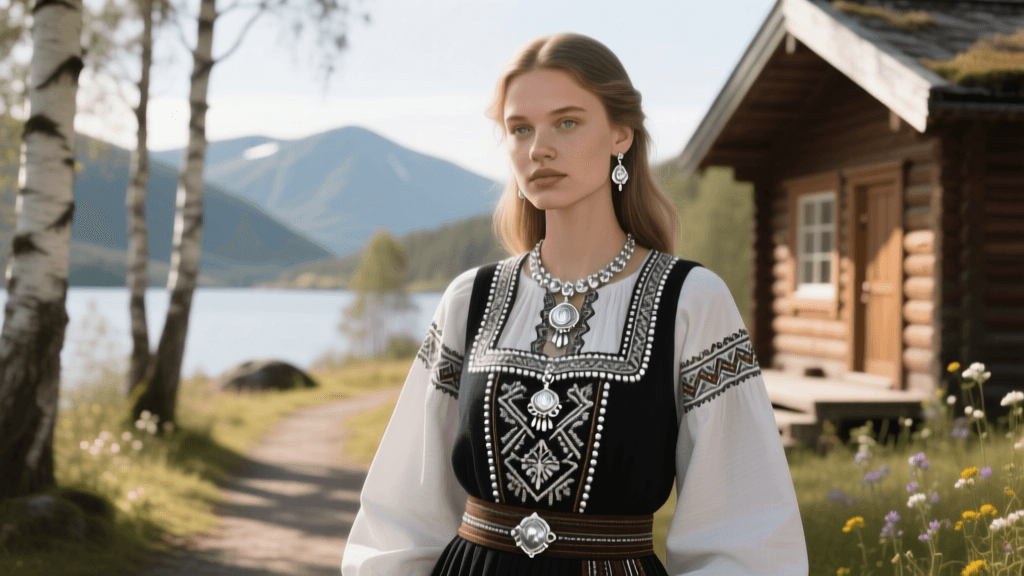
When May 17th arrives in 2026, the streets of Oslo, Bergen, and Trondheim will once again transform into a vibrant sea of wool, linen, and oxidized silver. The Norwegian bunad is far more than a mere historical costume; it is a living, breathing garment that connects modern Norwegians to their specific regional ancestry. Unlike many European folk dresses that are relegated to museum displays or tourist performances, the bunad is worn by a significant percentage of the population for weddings, baptisms, and Constitution Day (Syttende Mai).
However, navigating the strict rules, regional variations, and significant financial investment required to acquire an authentic bunad can be daunting for both locals and cultural enthusiasts. According to the Bunad- og folkedraktrådet (The National Council for Bunad and Folk Costumes), there is a vital distinction between a 'bunad' and a 'folkedrakt'. A folkedrakt is the historical, everyday working clothing of a specific region from the 18th and 19th centuries. A bunad, conversely, is a reconstructed or designed festive garment based on those historical folkedrakts, standardized in the 20th century and governed by strict regional committees regarding fabric, cut, and embroidery.
Key Regional Variations: A Comparative Guide
Norway boasts over 450 distinct bunad variations, each tied to a specific valley, fjord, or municipality. Choosing the right one traditionally depends on your family's geographic origins, your place of birth, or your current long-term residence. Below is a deep dive into four of the most prominent and highly regulated regional styles available in 2026.
Hardangerbunad: The 'First' Bunad
Originating from the Hardanger fjord region, this is widely considered the first standardized bunad, popularized during the national romantic period. The women's garment is characterized by a striking color palette of red, green, and black wool, paired with a white linen apron featuring intricate whitework embroidery (kvitsaum) and black cross-stitch. The men's version features a rich red wool vest and black breeches. It remains one of the most recognizable and historically significant garments in the country.
Nordlandsbunad: The Northern Favorite
Hailing from the rugged Nordland county, this bunad is currently the most popular in Norway. The women's dress features a deep blue wool skirt and bodice, adorned with vibrant floral embroidery inspired by 18th-century woven coverlets (åkle). The apron is typically made of silk or fine wool with a matching embroidered border. Because of its high demand in 2026, wait times for custom fittings at local ateliers can exceed 14 months.
Telemarksbunad: Intricate Floral Mastery
The Telemark region is famous for its rich cultural heritage, and its bunad reflects this through elaborate, colorful floral embroidery on a dark wool base. The Telemarksbunad requires a high level of artisan skill to produce, particularly the hand-woven belts and the intricate silver filigree work. The men's Telemarksbunad is equally striking, often featuring a heavily embroidered vest and a distinctive wide-brimmed hat for formal occasions.
Valdresbunad: The Mountain Valley Classic
From the inland valleys of Valdres, this bunad is known for its elegant, somewhat more subdued embroidery compared to Telemark. The women's version often features a green or blue bodice with a black skirt, and the apron is heavily embroidered with regional floral motifs. The silver used for the Valdresbunad is distinct, often featuring specific crown motifs and oxidized finishes that contrast beautifully with the dark wool.
2026 Regional Comparison & Cost Breakdown
| Regional Style | Base Garment Cost (2026 NOK) | Silver Weight Requirement | Primary Wool Colors |
|---|---|---|---|
| Hardangerbunad | 35,000 - 45,000 | 150g - 250g | Red, Green, Black |
| Nordlandsbunad | 45,000 - 60,000 | 200g - 350g | Deep Blue |
| Telemarksbunad | 50,000 - 75,000 | 250g - 400g | Black, Dark Blue |
| Valdresbunad | 40,000 - 55,000 | 180g - 300g | Green, Blue, Black |
The Silver (Sølv): Requirements and 2026 Market Pricing
No bunad is complete without its accompanying silver (sølv). The silver is not merely decorative; it historically represented a family's portable wealth and social status. In 2026, due to fluctuations in the global precious metals market, the cost of a complete silver set has surged. A full set for a woman—which includes the large neck brooch (sølje), belt buckle, cufflinks, shoe buckles, and decorative pins—can easily range from 20,000 to 45,000 NOK.
It is crucial to note that the silver must match the specific region. You cannot wear a Hardanger sølje with a Nordlandsbunad. Furthermore, the finish of the silver is strictly regulated. Some regions mandate highly polished silver, while others, like Valdres and parts of Telemark, require oxidized (darkened) silver to highlight the intricate filigree patterns. Many families pass these silver sets down through generations, but for those purchasing new in 2026, buying from certified local silversmiths ensures the hallmarks and patterns are historically accurate.
How to Source an Authentic Bunad in 2026
Acquiring a bunad is a significant process that requires planning, measurements, and patience. Here is the actionable roadmap for sourcing an authentic garment this year:
- Norges Husflidslag (Local Craft Associations): The gold standard for purchasing a bunad is through your local Husfliden shop. These organizations work directly with the Bunad- og folkedraktrådet to ensure every stitch meets regional guidelines. You must book a measurement appointment 8 to 14 months before you need the garment.
- Custom Tailors and Ateliers: For highly complex regions like Telemark, specialized ateliers employ master embroiderers who hand-stitch the floral motifs. Expect to pay a premium for hand-embroidery versus machine-assisted embroidery, though purists and regional committees heavily favor the former.
- The Second-Hand Market: Platforms like Finn.no have a robust market for vintage bunads. However, buyers must be extremely cautious. Always verify the garment against the archival patterns held by the Norsk Folkemuseum (Norwegian Museum of Cultural History) to ensure the previous owner did not make unauthorized alterations to the hem length or embroidery placement.
- Material Sourcing: If you are sewing your own bunad (a common practice for members of local craft circles), you must source approved fabrics. The wool must be of a specific weight and weave, often imported from specialized mills in the UK or produced by Norwegian heritage weavers like Hillesvåg Ullvarefabrikk.
Strict Rules of Wearing: Hair, Makeup, and Footwear
The authenticity of the bunad extends beyond the garment itself to how it is worn. The cultural consensus in 2026 remains strict regarding modern beauty standards clashing with traditional dress.
Makeup and Nails: The golden rule of wearing a bunad is to appear as though you are stepping out of a historical farmhouse. Heavy makeup, bold lipstick, and brightly painted nail polish are widely considered inappropriate and disrespectful to the tradition. A natural, clean-faced look is the standard.
Hair: Hair should be neat and traditional. For unmarried younger women, hair is often worn down or in simple braids. For married or older women, hair is traditionally pinned up, sometimes covered by a regional headdress or bonnet (skaut). Modern hair accessories like plastic clips or brightly colored scrunchies must be avoided; use only discreet pins or traditional ribbons.
Footwear: You must wear specific bunad shoes (bunadssko). These are typically black leather shoes with a low heel and a silver or pewter buckle that matches your regional silver set. Modern sneakers, high stilettos, or open-toed sandals are strictly forbidden. In 2026, several heritage shoemakers offer custom-fitted bunadssko with reinforced arches for comfort during long May 17th parades.
Outerwear: If the weather turns cold, you should not throw a modern puffer jacket over your bunad. Traditional regional capes (kappe) or specially designed wool coats (bunadsfrakk) are the only acceptable outerwear options.
Caring for Your Wool and Linen Investment
A bunad is a lifelong investment, often costing as much as a used car. Proper maintenance is essential. The heavy wool skirts and bodices should never be machine washed. Instead, they must be professionally dry-cleaned by specialists who understand traditional textiles, or simply aired out outdoors on a dry, breezy day—a traditional Norwegian method for refreshing wool.
The linen shirts (skjorte) require careful hand-washing and traditional ironing. Many regional shirts feature delicate lace or whitework that can be destroyed by modern washing machines. Finally, your silver must be stored in anti-tarnish cloth bags. When polishing, use compounds specifically designed for oxidized silver to ensure you do not strip the intentional darkening from the filigree crevices. By following these stringent care guidelines, your bunad will remain a pristine, historically accurate garment ready to be passed down to the next generation.