Norwegian Bunad vs. Alpine Tracht: 2026 Regional Dress Guide
Introduction to European Regional Folk Dress in 2026
The landscape of traditional European clothing has evolved dramatically. In 2026, the wearing of regional folk dress is no longer confined to museum exhibits or isolated rural enclaves. Instead, it represents a vibrant, living culture driven by a renewed interest in heritage craftsmanship, sustainable textiles, and regional pride. Among the most iconic and meticulously preserved traditions are the Norwegian Bunad and the Alpine Tracht (encompassing the Bavarian and Austrian Dirndl and Lederhosen). While both serve as powerful symbols of regional identity, their construction, material culture, and modern-day applications differ vastly. This comprehensive guide explores the nuances of these two distinct traditions, offering actionable insights for collectors, cultural enthusiasts, and festival-goers navigating the 2026 heritage garment market.
The Norwegian Bunad: Heritage Woven in Wool and Silver
The Norwegian Bunad is a 20th-century national romanticism concept rooted in 18th- and 19th-century rural folk costumes. Unlike mass-produced costumes, a true Bunad is a bespoke, handcrafted garment tied to a specific geographic region, often indicating the wearer's ancestral hometown. According to the Norsk institutt for bunad og folkedrakt (NBF), there are over 450 distinct Bunad types registered in Norway today.
Regional Variations and Textile Techniques
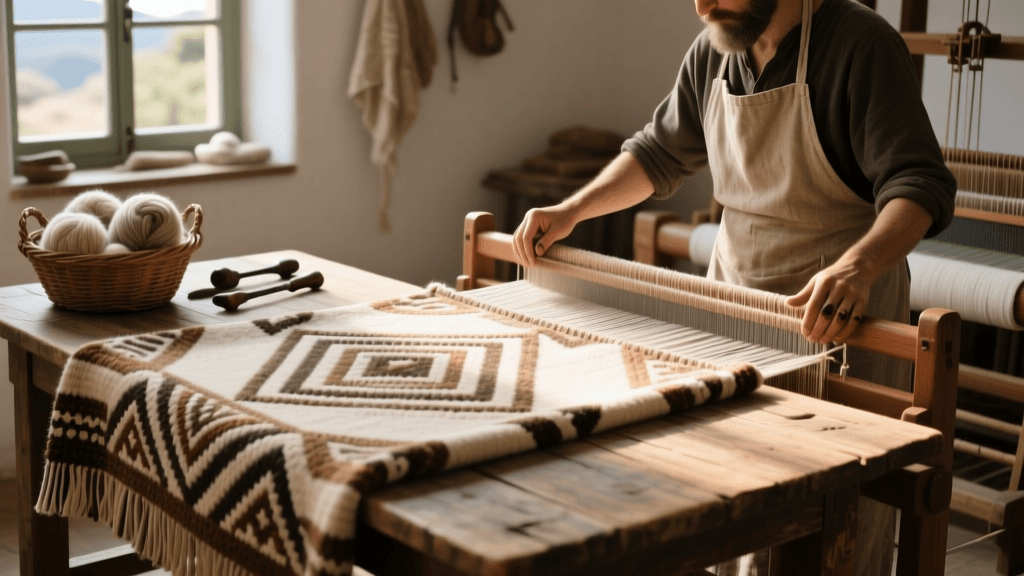
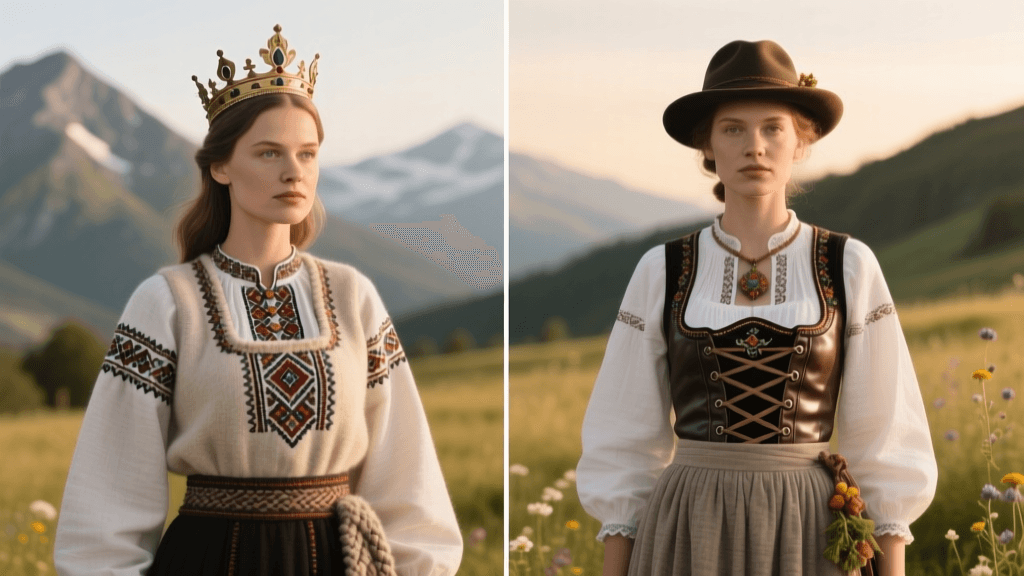
The Hardangerbunad, originating from the Hardanger region, is widely considered the first official Bunad. It is renowned for its intricate Hardangersøm (whitework embroidery) and cross-stitching. In 2026, master artisans are increasingly utilizing organically spun, locally sourced Norwegian Spælsau wool, which offers superior durability and a natural luster compared to imported synthetic blends. Another striking example is the Setesdal Bunad, characterized by its heavy, dark wool and elaborate silver embroidery, reflecting the valley's historical isolation and rich silversmithing tradition.
The Role of Sølje (Silver Jewelry)
No Bunad is complete without sølje—traditional Norwegian silver jewelry. The oxidized silver necklaces, brooches, and cufflinks are not merely decorative; they historically served as a form of portable wealth. In the 2026 market, ethically mined silver and recycled precious metals have become a major trend. A complete set of hand-forged Hardanger sølje can cost upwards of $2,500, but it is considered a multi-generational investment piece.
Alpine Tracht: Dirndl and Lederhosen Across Bavaria and Austria
While the Bunad is deeply tied to ancestral lineage and strict regional guidelines, the Alpine Tracht of Bavaria, Austria, and South Tyrol is more fluid, blending historical workwear with aristocratic hunting attire. The Bayerischer Trachtenverband (Bavarian Tracht Association) actively promotes the distinction between Alltagstracht (everyday wear) and Festtagstracht (festival wear), a distinction that remains crucial for authentic styling in 2026.
The Anatomy of a 2026 Dirndl
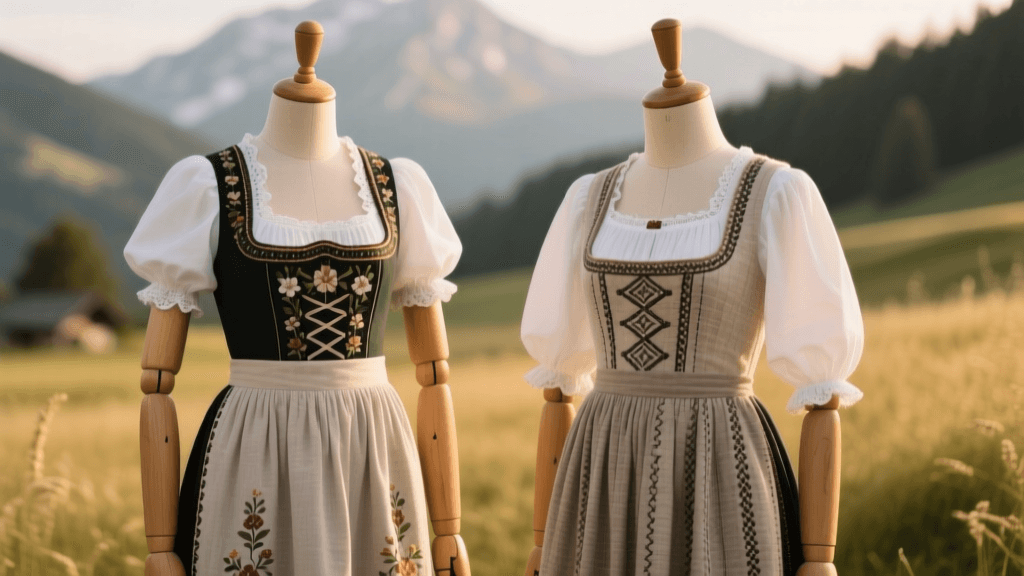
A traditional Dirndl consists of four main components: the bodice (Mieder), the blouse (Bluse), the skirt (Rock), and the apron (Schürze). In 2026, the most sought-after Festtagstracht Dirndls feature bodices made from silk brocade or sustainably dyed organic linen. The blouse, historically made of sheer cotton batiste, is now frequently crafted from GOTS-certified organic cotton or peace silk, reflecting the modern consumer's demand for eco-friendly luxury. The length of the skirt is a key indicator of formality; while the 1990s and 2000s favored mini lengths, the 2026 standard for formal events like Oktoberfest or traditional weddings strictly favors midi (calf-length) or maxi (ankle-length) silhouettes.
Lederhosen and Federkielstickerei
Authentic Lederhosen are crafted from deer or chamois leather, tanned using traditional vegetable oils to achieve a buttery, washable finish. The hallmark of premium Lederhosen is Federkielstickerei—embroidery done with peacock quills. A bespoke pair of Miesbacher or Salzburger Lederhosen, featuring hand-stitched floral motifs and horn buttons, requires up to 80 hours of labor. In 2026, prices for authentic, master-crafted Lederhosen range from €1,200 to €2,500, reflecting the scarcity of skilled artisans and the premium cost of ethically sourced alpine deer hides.
Comparative Analysis: Bunad vs. Tracht
Understanding the practical and financial differences between these two traditions is essential for collectors and cultural enthusiasts. Below is a detailed comparison based on 2026 market data and tailoring standards.
| Feature | Norwegian Bunad | Alpine Tracht (Festtag) |
|---|---|---|
| Primary Materials | Wool broadcloth, linen, silk | Loden wool, deer leather, silk brocade |
| 2026 Average Cost | $3,500 - $5,500 (Complete set) | $800 - $2,500 (Dirndl or Lederhosen set) |
| Tailoring Lead Time | 8 - 14 Months | 3 - 6 Months |
| Key Accessories | Sølje (Silver), woven belts, bunad shoes | Charivari (silver chain), silk apron, Haferl shoes |
| Design Flexibility | Strictly regulated by regional committees | Flexible; allows for modern fabrics and colors |
The Impact of 2026 Sustainability Mandates on Heritage Textiles
As the European Union tightens its textile waste and chemical usage regulations in 2026, traditional folk dress makers have had to adapt without compromising historical accuracy. For Alpine Tracht, this has meant a return to natural indigo and madder root dyes, replacing synthetic aniline dyes that dominated the 20th century. Master tanners in Bavaria are now exclusively using chestnut and oak bark extracts for vegetable-tanning deer hides, ensuring the leather is entirely biodegradable. Similarly, Norwegian Bunad weavers are partnering with local sheep farmers to create fully traceable, carbon-neutral wool supply chains. This dedication to eco-conscious heritage crafting has increased the baseline cost of authentic garments by approximately 18% since 2023, but it has also elevated the status of these costumes from mere festival wear to highly respected, sustainable luxury investments.
Sourcing, Sizing, and Styling for 2026 Festivals
Whether you are preparing for Norway's Constitution Day (Syttende Mai) or Munich's Oktoberfest, proper fit and authentic sourcing are paramount. The era of cheap, imported costume shop knock-offs is heavily frowned upon in heritage circles. Here is how to navigate the 2026 market.
Mastering the Fit
- The Dirndl Bodice: A proper Festtag Dirndl bodice must fit like a corset, offering significant support without restricting breathing. In 2026, many Munich-based ateliers offer 3D body scanning to ensure a millimeter-perfect fit for online international orders. The front lacing should lie flat, and the neckline must not gape.
- The Lederhosen Waist: Authentic deer leather stretches up to 1.5 inches over time. When purchasing bespoke Lederhosen, the waistband should feel uncomfortably tight during the initial fitting. The suspenders (Hosenträger) are functional, not merely decorative, and should bear the weight of the garment.
- Bunad Hemlines: The skirt of a Bunad should traditionally fall to the middle of the calf. When measuring, always wear the specific heel height of the bunad shoes you intend to use, as the hem is finished with a precise 5 cm turn-up that can be let down in the future if needed.
Care and Maintenance
Heritage garments require specialized care. Loden wool and bunad broadcloth should never be dry-cleaned with harsh modern chemicals, which strip the natural lanolin. Instead, utilize 2026-approved organic wool washes and air the garments out in a humid environment (like a bathroom during a hot shower) to release wrinkles. For silver sølje and charivari, avoid commercial silver dips; use a mild baking soda and aluminum foil bath to remove oxidation without damaging the intricate filigree.
Conclusion
The preservation of European folk dress is a testament to the enduring power of regional identity. Whether you are investing in the rigid, historically profound Norwegian Bunad or the versatile, beautifully crafted Alpine Tracht, you are participating in a living textile tradition. By prioritizing authentic materials, ethical craftsmanship, and proper regional etiquette, enthusiasts in 2026 can ensure these magnificent garments continue to be worn with pride for generations to come.